In today’s fast-paced logistics environment, warehouse safety and compliance are crucial. Understanding how to improve warehouse safety and compliance can protect workers and enhance efficiency. Implementing effective strategies is not merely an option; it is a necessity.
Many warehouses still struggle with safety protocols despite technological advances. Regular training and clear communication are often overlooked, leaving employees vulnerable to accidents. Creating a safety-first culture requires continuous effort and commitment. For instance, regular safety audits can reveal potential hazards.
Moreover, compliance with regulations is essential. Many warehouses fail to keep up with changing laws, resulting in penalties and increased risks. Fostering an atmosphere of accountability starts with management. Engaging employees in safety discussions encourages ownership and proactive behavior. Continuous reflection on existing practices can help identify gaps and drive improvements in safety and compliance.
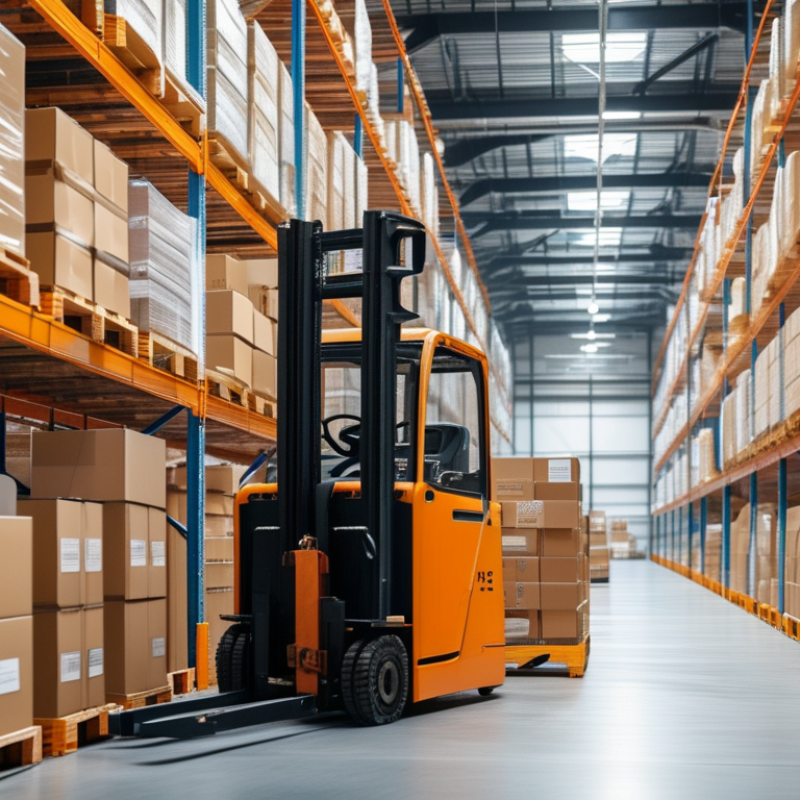
In 2026, warehouse safety and compliance are heavily influenced by key regulations. The Occupational Safety and Health Administration (OSHA) is set to update guidelines, focusing on improved worker safety protocols. Recent studies indicate that nearly 5,000 workplace fatalities occur annually in the U.S., with a significant portion occurring in warehouses. This emphasizes the ongoing need for stringent safety measures.
The importance of training programs cannot be overstated. According to a report by the National Safety Council, companies that implement regular safety training can reduce accident rates by 40%. However, many warehouses still face challenges in ensuring all employees receive adequate training. This gap can lead to injuries and potential compliance violations.
Warehouse automation is another area impacted by regulations. The rise of automated systems raises questions about safety standards. In 2026, regulations are expected to address these technologies. While automation can enhance efficiency, it also poses new risks. Many facilities are underprepared for the integration of robotics in daily operations. A balanced approach is crucial to ensure both efficiency and safety in warehouse environments.
Innovative technologies are transforming warehouse safety practices in 2026. Automation tools are becoming commonplace. Automated guided vehicles help in transporting goods without human intervention. This reduces the risk of accidents. However, reliance on machines raises concerns about physical safety training. Workers must adapt to new processes.
Wearable technology is also on the rise. Smart helmets and safety vests monitor worker health and environmental conditions. They provide real-time alerts to prevent injuries. Yet, these devices require regular updates and maintenance to remain effective. The balance between leveraging technology and ensuring personal responsibility can be challenging.
Data analytics plays a significant role in improving safety compliance. By analyzing trends and incidents, warehouses can pinpoint hazardous areas. Training programs can be tailored based on this data. Still, organizations may struggle with implementing these systems. Ensuring all staff understands how to utilize these insights effectively is crucial for success.
Training warehouse employees is essential for safety and compliance. A well-structured training program equips workers with vital skills. It ensures they understand proper handling of equipment and safety protocols. Interactive workshops provide hands-on experience. This approach leads to better retention of information. Engaging employees through simulations can also highlight potential hazards.
Continuous development is crucial. Warehouse environments change frequently, requiring ongoing training. Regular refreshers keep safety top of mind. Employees may forget key points over time. Periodic assessments can identify areas needing improvement. Feedback sessions encourage open dialogue. This transparency fosters a culture of safety among staff.
An effective training program emphasizes real-world scenarios. Incorporating past incidents helps workers learn from mistakes. Discussing near-misses can sharpen awareness. It's important to make training relatable. Not every employee will grasp abstract concepts easily. Tailoring sessions to different learning styles increases understanding. Ultimately, investing time in training benefits everyone.
In modern warehousing, effective incident reporting and response systems are crucial for ensuring safety and compliance. A well-structured incident reporting system enables workers to promptly report safety issues. Simplicity in the process encourages employees to document unsafe conditions or near misses. Clear reporting channels can lead to quicker fixes. However, inconsistent reporting may undermine the system's effectiveness.
Training staff on proper reporting methods is essential. Regular workshops can enhance understanding and accountability. Yet, many workers still hesitate to report incidents due to fear of repercussions. Creating an open environment fosters transparency. Encourage staff to voice their concerns without fear. A culture that values safety will naturally improve compliance and reduce incidents.
Analysis of reported incidents helps identify patterns. Reviewing incidents aids in developing proactive measures. However, a common oversight is the neglect of follow-ups. Ensuring that actions taken are communicated back to staff reinforces trust in the reporting system. Not every incident leads to change, but consistent feedback shows a commitment to improvement. Refuge in complacency can be tempting, yet it hinders progress.
| Strategy | Description | Implementation Date | Incident Reporting Method | Compliance Rating (%) |
|---|---|---|---|---|
| Regular Safety Audits | Conduct comprehensive audits to identify safety hazards. | Q1 2026 | Digital Reporting System | 85% |
| Employee Training Programs | Enhance employee awareness about safety protocols. | Ongoing from Q2 2026 | In-Person Workshops | 90% |
| Incident Report Feedback Loop | Implement a feedback mechanism for reported incidents. | Q3 2026 | Anonymous Reporting Tool | 80% |
| Emergency Response Drills | Conduct drills to prepare staff for emergencies. | Monthly | Simulated Scenarios | 75% |
| Safety Equipment Checks | Regularly inspect and maintain safety equipment. | Every 3 Months | Scheduled Inspections | 88% |
Regular safety audits and inspections are critical for maintaining warehouse safety and compliance. These practices require a systematic approach. Regular audits help identify hazards that may go unnoticed. They offer a chance to evaluate current safety protocols. An inspection checklist can provide a clear framework. This checklist should include areas like equipment, storage practices, and employee safety gear.
Conduct these audits monthly or quarterly. This frequency allows for timely updates and adaptations. Involve your team in the process. Their firsthand experience can highlight overlooked risks. Gathering feedback creates a culture of safety awareness. Post-audit reviews should be thorough. Analyze findings and address each issue meticulously.
Safety audits are not just a regulatory requirement. They should serve as a tool for continuous improvement. Reflecting on past audits can reveal patterns. Are certain hazards recurring? If so, dive deeper to find the root causes. Documenting and revisiting these findings is crucial. It ensures that previous oversights do not happen again.
: In 2026, updated OSHA guidelines focus on enhanced worker safety protocols and compliance.
Training can reduce accident rates by 40%. However, many warehouses struggle to ensure all employees are trained.
Ensuring all workers receive proper training can be difficult, leading to injuries and compliance issues.
Automation increases efficiency but also poses new risks, often leaving facilities unprepared for changes.
A simple process encourages timely reporting. Clear channels for reporting can lead to quicker resolutions.
Fear of repercussions may prevent them from reporting. An open culture can help overcome this fear.
Analyzing patterns in incidents aids in developing proactive measures but may overlook follow-ups at times.
Complacency and the belief that no incidents require action can stall improvements and accountability.
Communicated actions reinforce trust in the system. Not all incidents lead to change, but consistent feedback encourages progress.
In the article titled "2026 Top Strategies to Improve Warehouse Safety and Compliance," several key points are outlined to create a safer working environment. It begins by examining the key regulations affecting warehouse safety and compliance in 2026, emphasizing the importance of staying informed about industry standards. The discussion moves on to innovative technologies that can significantly enhance safety practices, such as automation and real-time monitoring systems.
Furthermore, the article highlights the necessity of comprehensive training and development programs for warehouse employees, equipping them with the knowledge to recognize and mitigate hazards. Effective incident reporting and response systems are also emphasized to ensure quick action in emergencies. Lastly, the implementation of regular safety audits and inspections is recommended as a best practice for maintaining compliance and reliability in safety protocols. Overall, these strategies illustrate "How To Improve Warehouse Safety And Compliance" effectively, ensuring a secure workplace for all employees.

TKS Logistics