China Best Strategies for Efficient Warehouse Operations Management?

Time:2026-08-18 Author:Henry
0%

Efficient warehouse operations are crucial for businesses aiming for success. Understanding how to manage warehouse operations efficiently is vital. In China, many companies face unique logistics challenges. Optimizing these processes can significantly improve operational efficiency and reduce costs.

The first step involves leveraging technology. Automated systems and inventory management software can streamline operations. However, reliance on technology must be balanced with human oversight. Errors can stem from overautomation or miscommunication. Training staff is equally essential. Skilled workers can adapt to technology and troubleshoot unexpected issues.

Furthermore, layout and organization play a key role. A poorly designed warehouse can lead to delays and confusion. Regularly reviewing the workflow ensures that operations remain smooth. Nonetheless, change can meet resistance among staff. Encouraging a culture of feedback and continuous improvement can help mitigate this. Through mindful management strategies, warehouses can thrive in a competitive environment.
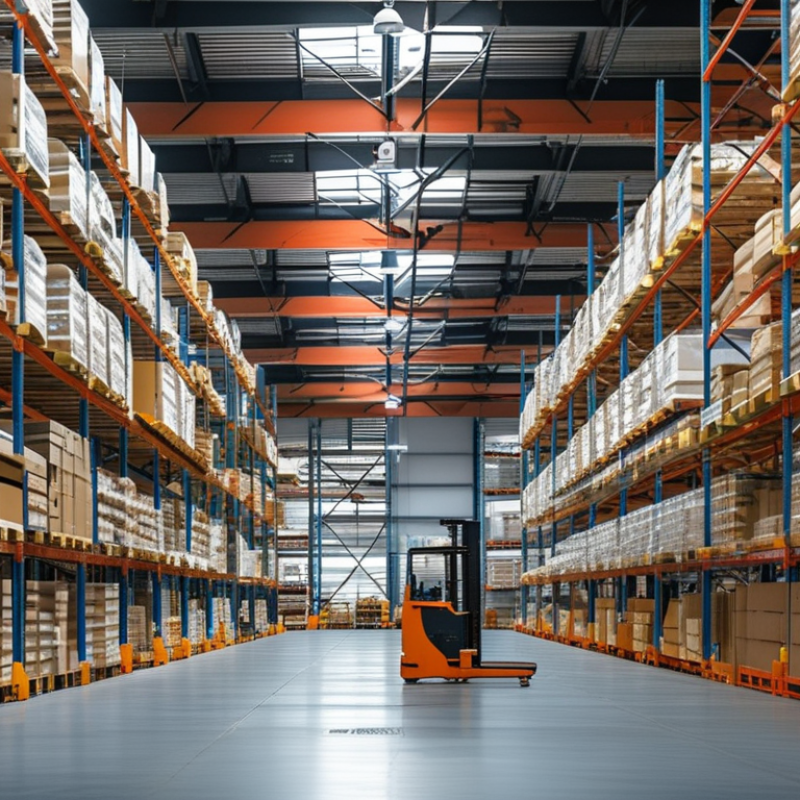
China Best Strategies for Efficient Warehouse Operations Management?

Best Practices for Warehouse Layout Optimization in China

Efficient warehouse operations in China rely heavily on optimized layouts. Proper design can significantly enhance productivity and reduce operational costs. According to the Chinese Logistics and Purchasing Federation, an optimized warehouse layout can boost efficiency by up to 30%.

Consider these tips for layout optimization: use a modular design to facilitate easy adjustments. Make sure to prioritize high-turnover items near shipping areas. This approach minimizes travel time for warehouse staff, thereby increasing overall efficiency. Additionally, investing in technology like automated guided vehicles (AGVs) can drastically reduce labor costs.

It's essential to reflect on common pitfalls in warehouse design. For instance, poorly organized racks may lead to increased picking errors. A study by the China Federation of Logistics & Purchasing revealed that disorganized spaces accounted for a 15% rise in error rates. Regular audits of layout effectiveness can drive improvements and lower operational risks. Emphasizing continuous feedback loops from staff can also uncover hidden inefficiencies, paving the way for a well-optimized warehouse.

Effective Inventory Management Techniques for Chinese Warehouses

Effective inventory management is crucial for the success of warehouses in China. Employing real-time tracking systems can significantly enhance accuracy. This technology allows warehouses to monitor stock levels at all times. Accurate data prevents overstocking and stockouts. It ensures the right products are available when needed.

Additionally, regular audits are essential. These checks can identify discrepancies between recorded and actual inventory. Mistakes often lead to costly losses. Reflecting on the reasons behind these errors fosters a culture of improvement. Implementing lean methodologies can also streamline operations. This approach minimizes waste and maximizes efficiency.

Advanced forecasting techniques are valuable too. They help predict demand based on historical data. Businesses can adjust their inventory levels accordingly. The combination of these strategies can create a responsive inventory management system. Continuous assessment and adaptation are necessary. It’s not always perfect, but striving for improvement pays off.

China Best Strategies for Efficient Warehouse Operations Management

Management Technique Description Benefits Challenges
Just-In-Time Inventory Minimizing inventory levels by receiving goods only as needed. Reduces holding costs and increases cash flow. Risk of stockouts and increased shipment costs.
ABC Analysis Classifying inventory into three categories based on importance. Improves focus on high-value items and optimizes resources. Requires consistent analysis and updates.
Warehouse Automation Using technology such as robotics and automated systems. Increases efficiency and accuracy in order fulfillment. High initial investment and maintenance costs.
Cross-Docking Direct transfer of goods from inbound to outbound transport. Reduces storage time and costs. Requires precise coordination and timing.
Real-Time Inventory Tracking Using software to monitor inventory levels in real-time. Enhances visibility and reduces discrepancies. Dependence on technology and potential data overload.

Leveraging Technology for Streamlined Warehouse Operations

Efficient warehouse operations are critical for businesses looking to thrive in today’s competitive landscape. Leveraging technology can significantly streamline processes, enhancing both productivity and accuracy. According to a report by the Warehousing Education and Research Council, investing in technology can reduce operation costs by up to 25%. This statistic highlights the importance of integrating innovative solutions into warehouse management.

Implementing automated systems like mobile robots and AI-driven software can revolutionize order fulfillment. Many warehouses have reported a 50% reduction in picking time after adopting these technologies. However, not every implementation leads to success. It’s crucial to ensure thorough employee training and system integration. Mistakes in these areas can lead to frustrations and inefficiencies, ultimately negating the benefits of technology.

Tips: Begin by assessing your current processes. Identify bottlenecks that could benefit from automation. Regularly collect data to evaluate the effectiveness of new technologies. Continuous improvement is key to maintaining efficiency. As you advance, flexibility in your technology adoption can allow your operations to adapt to changing demands effectively.

Employee Training Programs for Enhanced Warehouse Efficiency

Employee training programs play a crucial role in boosting warehouse efficiency. When employees are well-trained, they perform tasks more quickly and accurately. This can significantly reduce errors in inventory management, leading to less waste. Effective training should include hands-on experience, which helps employees understand their responsibilities better.

Tips: Create a structured training program. Break it down into manageable modules. Focus on key areas such as safety protocols, equipment handling, and software usage. Use real-life scenarios to engage trainees. Regularly assess their understanding to adapt and improve the training material.

Another vital aspect is ongoing education. The warehouse environment evolves rapidly with new technologies. Keeping employees updated on the latest processes is essential. Provide opportunities to attend workshops or online courses. This investment not only increases skills but also boosts morale and retention.

Tips: Encourage feedback from trainees. What worked? What didn’t? Use this input to improve future training sessions. Foster a culture of continuous learning by rewarding employees who pursue additional certifications or development programs. This approach helps identify areas for improvement, making training more effective over time.

Employee Training Programs Impact on Warehouse Efficiency

The chart above displays the impact of employee training programs on warehouse efficiency, showcasing a significant improvement from 65% to 85% after the implementation of training initiatives.

Sustainability Strategies for Eco-Friendly Warehouse Management in China

Sustainability is becoming essential in warehouse management in China. Eco-friendly practices reduce operational costs while benefiting the environment. Implementing green strategies can be challenging, but they offer long-term advantages. Here are some effective tips for achieving sustainability in warehouse operations.

Focus on energy efficiency. Use LED lighting and smart systems to optimize energy consumption. Monitor energy usage to identify wasteful practices. This reduces costs and lowers the carbon footprint. Regular audits can help identify areas for improvement.

Investing in sustainable packaging is crucial. Replace plastic materials with biodegradable options. This simple change reduces waste significantly. Involving suppliers in this process can enhance sustainability efforts. Building a network of eco-conscious partners strengthens commitment to sustainability.

Lastly, encourage a culture of recycling among employees. Create designated areas for different materials. Train staff on proper recycling methods. This promotes responsibility and care for the environment. Remember, small changes can lead to significant results.

FAQS

: What is the impact of an optimized warehouse layout?

: An optimized layout can boost efficiency by up to 30%. It reduces operational costs significantly.

How can I design a flexible warehouse layout?

Use a modular design. This allows easy adjustments based on changing needs.

Where should high-turnover items be placed?

Situate high-turnover items near shipping areas. This minimizes travel time for staff.

What technology can help reduce labor costs in warehouses?

Investing in automated guided vehicles (AGVs) can drastically cut labor costs.

Why is regular auditing of warehouse layouts important?

Regular audits help identify inefficiencies. They can reduce operational risks and improve layout effectiveness.

What role does sustainability play in warehouse management?

Eco-friendly practices lower operational costs and benefit the environment, but can be challenging to implement.

How can we improve energy efficiency in warehouses?

Use LED lighting and smart systems. Monitor energy usage to identify wasteful practices regularly.

What is a simple way to reduce packaging waste?

Replace plastic materials with biodegradable options. Involvement of suppliers can enhance this effort.

How can we promote recycling among warehouse staff?

Create designated recycling areas and train staff on proper methods. This encourages environmental responsibility.

Are there any common pitfalls in warehouse design to avoid?

Disorganized racks can increase picking errors by 15%. Regular feedback from staff can uncover inefficiencies.

Conclusion

The article "China Best Strategies for Efficient Warehouse Operations Management" delves into effective practices that can significantly enhance warehouse efficiency in China. It highlights key aspects such as optimizing warehouse layout to ensure seamless flow of goods, implementing effective inventory management techniques to reduce excess stock and improve turnover, and leveraging cutting-edge technology for streamlined operations. Additionally, the importance of employee training programs is emphasized, as skilled workers are crucial for maintaining operational standards.

Moreover, the article underscores sustainable practices for eco-friendly warehouse management, addressing environmental concerns while improving efficiency. Overall, it provides valuable insights on how to manage warehouse operations efficiently in the context of China's dynamic logistics landscape, offering a comprehensive guide for industry stakeholders seeking to improve their operational metrics.

Henry

Henry

Henry is a dedicated marketing professional with a profound expertise in the company's offerings. With years of experience in the industry, he possesses an impressive understanding of the market dynamics and consumer behaviors that drive success. Henry is committed to sharing his insights through......