How to Choose Material Handling Innovations in 2026?

Time:2026-10-12 Author:Liam
0%

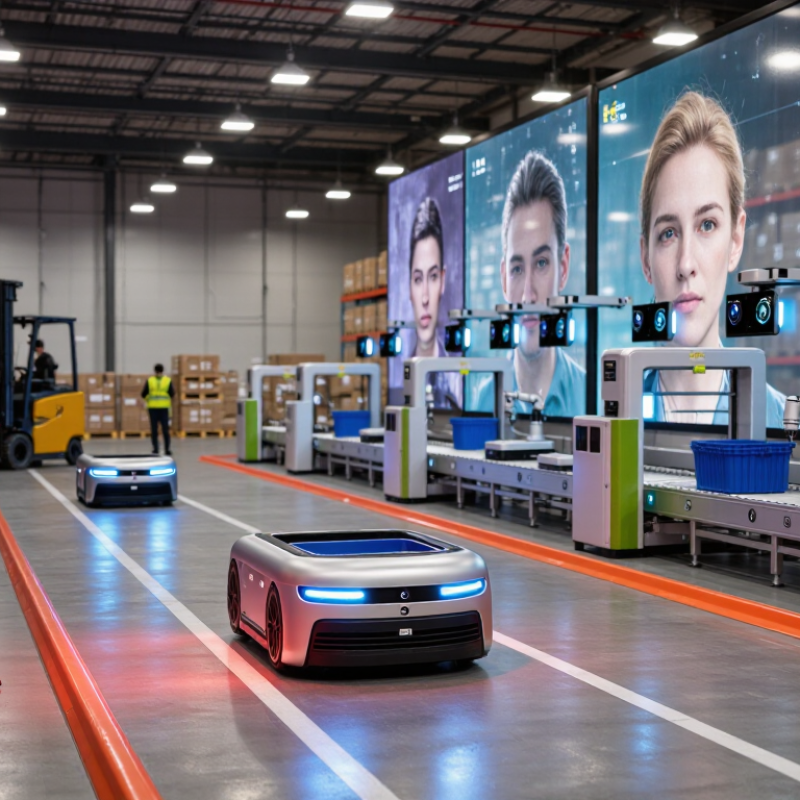
Choosing the right equipment in 2026 will require more than chasing the newest robot. Warehouse leaders must connect innovation with labor realities, safety needs, energy use, and measurable service gains. Material Handling Innovations Shaping Logistics will increasingly include autonomous mobile robots, artificial intelligence, machine vision, digital twins, and intelligent storage systems.

The MHI 2024 Annual Industry Report found that 83% of supply chain professionals considered innovation important or very important. It also reported that 55% planned to increase technology investment. The same report identified robotics and automation as major technologies gaining attention. Gartner has likewise forecast continued growth in warehouse robotics, especially where repetitive movement and labor shortages create operational pressure. These figures are useful, but they are not promises. Results still depend on layout, data quality, maintenance skills, and workforce training.

John Paxton, former CEO of MHI, said, “The supply chain is no longer just a cost center; it is a competitive advantage.” That perspective matters when comparing automated storage, wearable devices, or robotic picking. A small warehouse may gain more from better slotting than from an expensive autonomous fleet. A pilot can look impressive under perfect conditions. Real operations are messier. Conveyors stop, labels wrinkle, and software integrations fail. The strongest 2026 strategy will therefore test technologies in one process, measure throughput and accuracy, listen to operators, and expand only after evidence supports the investment. Technology should solve a visible problem, not decorate a strategy document.
How to Choose Material Handling Innovations in 2026?

Define Your Material Handling Goals and Operational Challenges

Before choosing material handling innovations in 2026, define what your operation must improve. Walk the floor during a busy shift. Record where pallets wait, workers turn, and orders miss promised times. A useful goal sounds specific: reduce picking travel by 20% without increasing handling injuries. Measure travel distance, damage rates, throughput, and unplanned downtime. Do not trust one quiet afternoon. Peak data matters.

Talk with operators, maintenance staff, supervisors, and safety personnel before selecting equipment or software. Their practical experience often reveals problems hidden in reports. A scanner may promise faster confirmation, yet poor lighting or gloves can slow every transaction. An automated vehicle may need clear routes, reliable charging, and disciplined housekeeping. Check integration requirements, training hours, service access, and fallback procedures. Innovation fails when the surrounding process remains unchanged.

Build a short pilot around one measurable bottleneck. Test it during normal and peak conditions, then compare results with your baseline. Ask whether the change improves flow for people, not only machine utilization. Review near misses, error corrections, battery use, and operator feedback. If the pilot creates new delays, admit it early. A simpler manual adjustment may outperform a sophisticated system. Real operations are rarely perfect. Your documented constraint should guide the investment, even when the first assumption proves wrong.

Assess Key Innovation Categories for Your Facility

Choosing material handling innovation in 2026 starts with categories, not catalogues. A facility should assess automation, data visibility, ergonomic equipment, storage density, and energy performance. Walk the floor during peak activity. Observe where pallets wait, operators reach, and information disappears. My experience shows that a small transfer delay can create larger downstream congestion. However, not every manual task needs automation. That assumption can waste capital and weaken workforce confidence. Measure travel time, error rates, injury risks, throughput, and maintenance demands before comparing solutions.

Tips: Map one process for seven days. Record idle minutes, rework, lifting frequency, and near-miss observations. Test a limited change before expanding. Ask operators what the dashboard misses. Their practical feedback often reveals blocked aisles, awkward controls, or seasonal problems. Keep baseline data visible. Otherwise, improvement becomes a hopeful story.

Assess each category against facility reality. Automation may improve consistency, yet it needs reliable layouts and skilled support. Real-time tracking can sharpen decisions, but poor data produces confident mistakes. Ergonomic tools may reduce strain, although adoption depends on comfort and training. High-density storage saves floor space, but access time can rise. Energy-saving equipment matters when utilization is high, not merely because it sounds modern. Use a weighted score for safety, productivity, integration, scalability, total cost, and resilience. Revisit the score after a pilot because assumptions will change.

Compare Technologies by Performance, Cost, and Scalability

How to Choose Material Handling Innovations in 2026?

Performance should be measured on the warehouse floor, not in a sales presentation. Track throughput, picking accuracy, travel distance, downtime, and energy use.

The International Federation of Robotics reported 541,302 industrial robots were installed worldwide in 2023. That figure shows strong automation momentum, but robots are not automatically the best answer.

A system handling 600 orders hourly may fail when product sizes change. Test it during peak shifts, with real cartons, damaged labels, and human interruptions.

Cost needs a wider lens. Include installation, software integration, training, maintenance, energy, and replacement parts.

The MHI 2024 Annual Industry Report found that 83% of supply chain leaders planned to increase technology investment. Yet spending more does not guarantee better performance.

Compare payback periods under conservative demand forecasts. Scalability matters too. Modular conveyors, adjustable storage, and interoperable software can expand by zone instead of closing the whole facility.

This sounds practical. It can still become expensive if data standards are ignored.

Tips

Request a live pilot before signing a long contract. Measure five operating days, not one perfect demonstration.

Ask for failure rates, service response times, and integration requirements. Keep one manual fallback process.

It may feel inefficient, but resilience is often undervalued. Review the results with operators, engineers, and finance staff.

Their priorities will conflict, and that is useful.

Evaluate Safety, Sustainability, and Workforce Requirements

How to Choose Material Handling Innovations in 2026?

Evaluate Safety, Sustainability, and Workforce Requirements

Material handling equipment should protect people before improving speed. Watch operators during normal shifts, not only demonstrations. Note blind corners, awkward reaches, noise, and sudden stopping. Review incident records, near-miss reports, maintenance logs, and training time. Ask for independent safety testing and clear operating limits. A pilot should measure errors, fatigue, and emergency response, not just hourly output.

Sustainability requires more than lower electricity use. Examine battery life, charging demand, repair access, replacement parts, and end-of-life recycling. A quiet machine may reduce stress, yet its difficult battery disposal creates another burden. Measure energy consumption during busy and quiet periods. Include packaging waste and transport impacts. No scorecard is perfect. Our first evaluation missed cleaning time, which later affected availability.

Tips: Give workers a voice before buying. Ask them to test controls, screens, handles, and warning signals. Use short training sessions beside the actual workflow. Keep written instructions visible near charging points. Compare injury risks, energy data, and productivity over several weeks. Set a review date. If the technology feels impressive but confusing, pause the purchase. A clever system still fails when people bypass it. Track those workarounds without blame, then redesign the process.

Build an Implementation Plan for the Best-Fit Innovation

A strong 2026 material handling plan starts with a measurable operational problem. Define the bottleneck before selecting an innovation. It may be a 14-minute walking route, repeated lifting, or morning dock congestion. Record travel time, error rates, injury risks, and peak-hour volume for at least two weeks. Include operators in the review. Their practical knowledge often reveals obstacles that dashboards miss.

Choose one controlled area for the pilot. Set a clear target, such as reducing pallet movement time by 20 percent without lowering accuracy. Map the required equipment, floor space, software connections, training hours, and maintenance skills. Test the solution during normal work and one busy shift. Keep a fallback process available. Downtime is expensive. A small pilot also exposes weak assumptions about charging space, aisle width, or product variation.

Review results with safety, finance, engineering, and warehouse staff. Compare measured gains with total operating costs, not just purchase prices. Check whether workers can understand alerts and recover from simple faults. Field data may challenge the original business case. That is useful. Delay expansion when reliability remains inconsistent. Improve the workflow, adjust the training, and repeat the test with fresh measurements. Document every change, including the unsuccessful ones. Those records support accountable decisions and make later scaling less risky.

FAQS

What should a facility assess before choosing material handling innovation in 2026?

Assess automation, data visibility, ergonomic equipment, storage density, and energy performance. Walk the floor during peak activity. Watch pallets wait.

Which measurements help identify a real operational problem?

Record travel time, error rates, lifting frequency, injury risks, idle minutes, and throughput. Track these measurements for at least seven days.

Does every manual task need automation?

No. Automating every task can waste capital and reduce workforce confidence. Measure the problem before buying equipment. Manual work may remain practical.

How can workers improve an innovation assessment?

Ask operators to test controls, screens, handles, and warning signals. They may reveal blocked aisles or awkward controls. Dashboards miss details.

What safety information should a pilot measure?

Review incidents, near misses, maintenance logs, training time, fatigue, errors, and emergency response. Observe normal shifts, not polished demonstrations.

How should sustainability affect equipment selection?

Examine electricity use, battery life, charging demand, repair access, replacement parts, and recycling. Include packaging and transport impacts. Quiet equipment is not automatically sustainable.

What makes a useful pilot project?

Choose one controlled area and define a measurable target. For example, reduce pallet movement time by 20 percent without reducing accuracy.

What hidden issues can a pilot reveal?

Testing may expose limited charging space, narrow aisles, product variation, or weak software connections. Keep a fallback process. Downtime is expensive.

How should a facility judge pilot results?

Compare safety, productivity, integration, scalability, resilience, and total operating costs. Do not rely on purchase price alone. Field data may disagree.

When should expansion be delayed?

Delay expansion when reliability remains inconsistent or workers cannot understand alerts. Improve training and workflow. Repeat the test with fresh measurements.

Conclusion

Choosing the right material handling innovation in 2026 begins with a clear understanding of your facility’s goals, operational bottlenecks, and future growth plans. Identify whether your priorities are faster order fulfillment, improved inventory accuracy, reduced labor pressure, better space utilization, or greater flexibility. Then assess relevant innovation categories, such as automation, robotics, intelligent software, connected equipment, and advanced storage solutions. Each option should be compared according to performance, total cost of ownership, integration requirements, maintenance needs, and scalability.

The Material Handling Innovations Shaping Logistics must also support safe, sustainable, and people-centered operations. Evaluate how each solution affects workplace safety, energy use, emissions, employee training, and daily workflows. A practical implementation plan should define project milestones, budgets, responsibilities, testing procedures, and performance indicators. By matching technology with actual business needs rather than adopting trends blindly, organizations can select solutions that deliver measurable value, adapt to changing demand, and build a more efficient and resilient material handling environment.

Liam

Liam

Liam is a dedicated marketing professional with a profound expertise in the industry, where he excels at highlighting the unique advantages of our core products. With a keen understanding of market trends and consumer needs, Liam frequently updates our company’s professional blog, providing......