In the competitive landscape of logistics, understanding how to reduce warehouse operational costs is vital. Operational expenses can quickly accumulate, affecting overall profitability. Businesses are constantly looking for innovative solutions to streamline their processes while maintaining efficiency.
Implementing effective strategies can lead to significant cost savings. For instance, optimizing inventory management techniques can help reduce excess stock. Automated systems may enhance order processing speed, while energy-efficient practices minimize utility costs. However, it’s essential to reflect on the balance between cost-cutting and service quality.
Ultimately, enhancing warehouse operations should not compromise customer satisfaction. Regular assessments and refinements are necessary to ensure sustainability in cost management. Embracing continuous improvements will not only reduce expenses but also bolster business resilience.
Optimizing warehouse layout can significantly reduce operational costs. A well-designed layout minimizes travel times and enhances product accessibility. Studies indicate that inefficient layouts can increase operational costs by 25%. This highlights the importance of strategically arranging storage areas and workstations.
Employing a grid layout can streamline processes. It allows for predictable pathways and simplifies employee navigation. A report by the Warehouse Education and Research Council found that implementing a grid layout improved picking efficiency by 15%. However, many warehouses overlook the need for regular layout evaluations, leading to stagnation and missed opportunities.
Investing in vertical storage solutions can free up space and cut costs. Using shelves and racks effectively allows for better inventory management. A survey by the Material Handling Industry of America noted that companies leveraging vertical space reported a 30% increase in storage capacity. While these strategies can seem straightforward, consistent reassessment is crucial to adapting to shifting demands.
Automation is transforming the warehousing industry. It significantly reduces labor costs and enhances efficiency. According to a report by the Logistics Management Association, companies can save up to 30% on labor expenses through automation. This shift allows businesses to reallocate resources toward growing operations.
Implementing automated systems, such as robotics for picking and sorting, can streamline processes. A recent study revealed that warehouses utilizing automation increased their order fulfillment speed by 25%. This acceleration minimizes labor intensity and helps mitigate the challenges of high employee turnover.
To begin reducing operational costs, consider investing in automated inventory management systems. These systems offer real-time data, enhancing inventory accuracy. Another tip involves reevaluating your staffing strategy. Cross-training employees can maximize productivity without increasing headcount. Finally, leveraging data analytics can identify inefficiencies, allowing for targeted improvements. By integrating these strategies, warehouses can navigate the complex landscape of operational costs more effectively.
Optimizing inventory management is key to reducing carrying costs effectively. A study by the Warehousing Education and Research Council found that carrying costs can account for 20% to 30% of total inventory costs. This means that companies risk significant losses if they don't manage their inventory efficiently. Implementing strategies to maintain optimal stock levels can greatly mitigate these expenses.
One effective approach is to adopt just-in-time (JIT) inventory practices. This method helps businesses minimize stock holding while ensuring they have enough products to meet customer demands. However, the challenge lies in balancing demand forecasting with supply chain reliability. Slight miscalculations can lead to stockouts or excess inventory, both of which can be costly.
Utilizing technology can also streamline inventory processes. For instance, a report from Gartner highlights that using advanced analytical tools can improve inventory accuracy by up to 30%. Automated systems provide real-time insights into stock levels and trends. Yet, many businesses still rely on manual tracking. This reliance can introduce errors and inefficiencies. Reflecting on these points might reveal opportunities for improvement.
Implementing energy-efficient practices in warehouses can significantly reduce operating expenses. According to the U.S. Department of Energy, warehouses can cut energy costs by 20-30%. This can be achieved through better lighting systems, like LED technologies, which use 75% less energy than traditional options. Replacing old HVAC systems with high-efficiency models can also yield substantial savings.
Additionally, optimizing energy use during off-peak hours can further minimize costs. Some facilities report up to a 50% reduction in energy expenses simply by shifting operations. However, awareness and employee training are often lacking. It's crucial to educate staff on energy-saving practices.
Furthermore, the integration of smart energy management systems can provide real-time data. According to a recent report from the Carbon Trust, businesses that adopted these strategies reported an average of 17% reduction in energy use. While the initial investment can seem daunting, the long-term savings often justify the costs. Some companies, however, struggle to see immediate results and may find themselves questioning their approach. This reflection is vital for continuous improvement.
This chart illustrates the potential cost savings associated with implementing various energy-efficient practices in warehouse operations. By focusing on these strategies, businesses can significantly lower their operating expenses.
Data analytics plays a crucial role in reducing warehouse operational costs. By harnessing the power of data, businesses can make informed decisions that enhance efficiency. According to a report by McKinsey, companies leveraging data analytics can achieve up to a 20% reduction in operating costs. This is significant in the competitive warehouse sector.
Implementing advanced analytics tools provides insights on inventory levels, order accuracy, and employee productivity. For instance, predictive analytics helps forecast demand, ensuring warehouses are stocked appropriately. This minimizes excess inventory and associated holding costs. A recent study indicated that companies utilizing such analytics see a 15% improvement in inventory turnover rates, demonstrating the advantages of data-driven decision-making.
Despite these benefits, challenges exist. Many organizations struggle to collect and analyze data effectively. Inadequate training may lead employees to underutilize available tools. Moreover, integrating new technology into existing systems can be complex. Continuous reassessment of these processes is vital. Companies must ensure their analytics strategies align with operational goals to realize maximum savings.
| Tip | Description | Potential Savings (%) | Implementation Time |
|---|---|---|---|
| Optimize Inventory Management | Use data analytics to forecast demand accurately. | 15% | 2 months |
| Automate Processes | Implement automation for picking, packing, and shipping. | 20% | 6 months |
| Reduce Shipping Costs | Negotiate better rates with carriers and optimize routes. | 10% | 1 month |
| Energy Efficiency | Invest in energy-efficient lighting and equipment. | 12% | 3 months |
| Train Employees | Provide training to improve efficiency and reduce errors. | 8% | 2 months |
| Utilize Cross-Docking | Minimize storage time by direct transfer from receiving to shipping. | 18% | 4 months |
| Implement Data-Driven Metrics | Monitor KPIs to identify and address inefficiencies. | 5% | 1 month |
| Choose the Right Location | Select warehouse sites close to key markets to reduce transportation costs. | 25% | Varies |
| Inventory Turnover Plans | Implement strategies to increase inventory turnover rates. | 10% | 2 months |
| Leverage Third-Party Logistics (3PL) | Outsource logistics to reduce overhead costs. | 15% | 3 months |
: A well-designed layout minimizes travel times and increases product accessibility. This can cut operational costs significantly.
A grid layout is effective. It creates predictable pathways and helps employees navigate the warehouse more easily.
Ignoring layout evaluations can lead to stagnation and missed opportunities for improvement. Regular assessments help maintain efficiency.
Vertical storage can save space and improve inventory management. Effective use of shelves often increases storage capacity significantly.
Using LED lighting and high-efficiency HVAC systems can reduce energy costs. Optimizing energy use during off-peak hours can help too.
These systems provide real-time data and can lead to energy use reductions. They offer insights that can significantly lower costs.
Data analytics allows for informed decision-making. Businesses using it can achieve up to a 20% reduction in operational expenses.
It helps forecast demand, ensuring proper stock levels. This limits excess inventory and reduces holding costs.
Many struggle with data collection and analysis. Inadequate training may prevent effective use of analytical tools.
It ensures strategies align with goals. Regular reflection can highlight areas for improvement and drive better results.
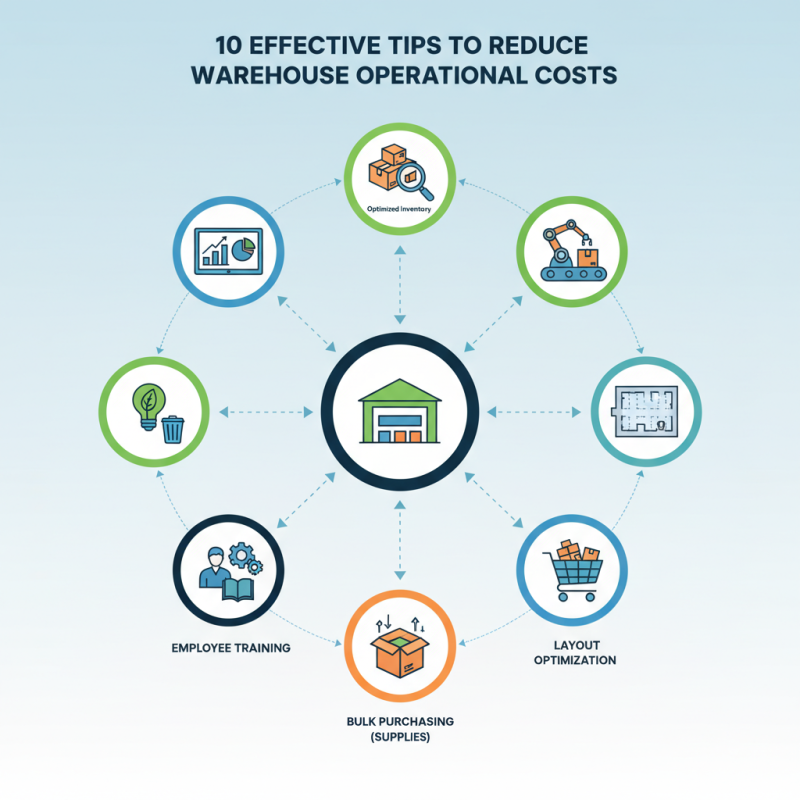
The article "10 Effective Tips to Reduce Warehouse Operational Costs" outlines several strategies aimed at enhancing efficiency and minimizing expenses in warehouse operations. One of the key aspects discussed is how to reduce warehouse operational costs by streamlining the layout of the facility. A well-organized warehouse can significantly decrease handling times and improve workflow. Additionally, implementing automation technologies can lead to substantial reductions in labor-related expenses, freeing up resources for other critical areas.
Optimizing inventory management is another crucial factor, as effective stock control helps lower carrying costs while ensuring availability. The adoption of energy-efficient practices also plays a vital role in reducing overall operating expenses. Finally, leveraging data analytics allows decision-makers to gain insights that promote cost savings and process improvements. By integrating these strategies, warehouses can achieve optimal performance and significant financial savings.

TKS Logistics