In today's fast-paced industrial landscape, the safety of workers and equipment is paramount. Ensuring proper safety measures can prevent accidents and enhance operational efficiency. The topic of "Material Handling Equipment Safety Tips" is crucial for all workplaces that rely on machinery. Many companies overlook basic safety protocols, leading to avoidable risks.
Proper training and awareness are essential. Workers must understand how to operate equipment safely. Regular inspections and maintenance of machinery can identify potential hazards before they become serious issues. It is vital to establish a culture of safety, where every employee feels responsible for maintaining safe practices.
However, challenges remain. In some cases, teams may rush through safety checks or ignore guidelines due to time constraints. This behavior can create dangerous situations. Stakeholders must reflect on their safety practices and make continuous improvements. By prioritizing Material Handling Equipment Safety Tips, organizations protect their most valuable asset: their workforce.
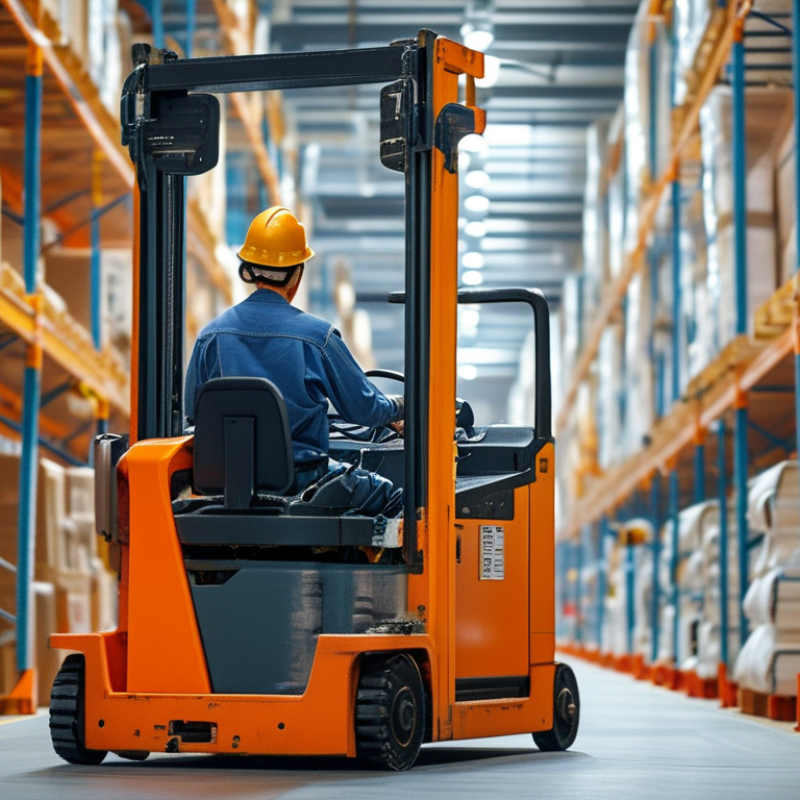
Material handling equipment plays a crucial role in various industries. These equipments include forklifts, pallet jacks, and conveyor belts. Each type presents unique risks that workers must understand. For instance, forklifts can tip over if not operated properly. Operators need thorough training to ensure safe handling. Regular maintenance is also essential to avoid equipment failure.
Different materials can exacerbate risks. Heavy loads can strain the equipment and lead to accidents. Slippery surfaces can increase the likelihood of slips and falls. Organizations should conduct risk assessments regularly. Identifying hazards allows teams to implement necessary safety measures. Using proper safety gear is often overlooked but vital in preventing injuries.
Moreover, human error remains a significant factor in safety incidents. Workers may skip safety checks when in a rush. Encouraging a safety-first culture can mitigate this issue. Open communication about failures is essential for improvement. It's crucial to reflect on past mistakes and learn. Safety is an ongoing process that requires commitment and vigilance.
Material handling operations often involve significant risks. Adhering to key safety regulations is crucial for reducing these hazards. According to the Occupational Safety and Health Administration (OSHA), proper training in material handling equipment can decrease workplace injuries by over 50%. Specific regulatory standards guide safety protocols during these operations.
Training is essential. Employees must understand equipment usage and safety protocols. Inadequate training often results in accidents. The National Safety Council notes that improper lifting technique leads to approximately 300,000 injuries annually in the U.S. This stark reality highlights the need for continuous education in material handling.
Equipment inspections should not be overlooked. A thorough pre-use inspection can identify potential issues before they escalate. The American Society of Safety Professionals recommends inspections be documented for accountability. Regular maintenance keeps equipment operational and can prevent failures. Yet many organizations fall short of establishing a consistent inspection routine. This gap in practice raises concerns about employee safety and operational efficiency.
Regular inspection and maintenance of material handling equipment are critical for workplace safety. According to the Occupational Safety and Health Administration (OSHA), improper handling can lead to serious injuries, accounting for nearly 25% of all industrial accidents. Practicing thorough inspections ensures that equipment functions properly and reduces the risk of malfunction.
One essential tip is to maintain a detailed log of all inspections. This record should include dates, identified issues, and resolutions. Data from the National Safety Council suggests that companies with clear maintenance logs experience 30% fewer equipment-related injuries. Additionally, incorporate visual inspections before each shift. This practice enhances awareness and identifies potential hazards early.
Employees need proper training on how to conduct inspections. Surprisingly, a lack of training often contributes to oversights in maintenance checks. Regular training sessions can bridge this gap, fostering a culture of safety and diligence. Moreover, continuous monitoring of equipment usage patterns can highlight areas needing improvement. Overall, proactive handling of equipment ensures a safer work environment and can significantly reduce costs associated with accidents and repairs.
| Dimension | Description | Frequency of Inspection |
|---|---|---|
| Forklift | Check for fluid leaks, tire conditions, and brakes. | Daily |
| Pallet Jack | Inspect wheels, hydraulic system, and handle functionality. | Weekly |
| Conveyor System | Examine belts, rollers, and safety guards. | Monthly |
| Reach Truck | Ensure mast, forks, and lights are functioning properly. | Daily |
| Stacker | Assess lifting mechanism and stability features. | Weekly |
Training programs for safe equipment operation are crucial in material handling. According to the Occupational Safety and Health Administration (OSHA), effective training can reduce workplace injuries by up to 29%. Comprehensive training ensures operators understand the machinery and recognize potential hazards. Engaging training sessions, including hands-on experience, significantly enhance learning retention.
Moreover, regular refresher courses are vital. Studies suggest that employees exposed to ongoing training are 60% less likely to experience serious accidents. Training programs should also adapt to equipment updates and changing safety regulations. Creating a culture of safety awareness promotes vigilance among employees. Unfortunately, many companies overlook the importance of continuous training, leading to gaps in safety knowledge.
Using safety audits can highlight areas needing improvement. These audits help identify training deficiencies and reinforce safety practices. Metrics from recent industry reports reveal that frequent audits can lead to a 20% increase in compliance with safety protocols. Investing in training not only protects employees but also enhances overall operational efficiency. Emphasizing safe practices can prevent costly accidents and foster a safer workplace.
Material handling is crucial in various industries, yet it carries significant risks. In fact, statistics reveal that over 35% of workplace injuries relate to material handling. These incidents typically involve lifting, pushing, or carrying heavy items, often leading to musculoskeletal disorders.
To mitigate these risks, it’s essential to adopt effective prevention strategies. Regular training can ensure employees understand proper lifting techniques. For instance, workers should be trained to lift with their legs, not their backs. Additionally, using appropriate equipment, such as forklifts or hand carts, reduces physical strain. The National Institute for Occupational Safety and Health (NIOSH) emphasizes that ergonomic practices can decrease injury rates by 30%.
Improperly stacked materials are another major hazard. Shifts in weight can cause loads to fall, leading to severe injuries. Implementing clear guidelines for stacking and arranging materials safely can address this issue. Conducting routine inspections of storage areas helps maintain safety standards. Despite these precautions, complacency can lead to unsafe practices, which highlights the need for continuous vigilance and improvement in safety measures.
: Common types include forklifts, pallet jacks, and conveyor belts. Each type has its own risks.
Proper training reduces the risk of accidents by over 50%. It ensures operators understand safe handling techniques.
Heavy loads and slippery surfaces elevate risks. These factors can lead to serious injuries or equipment failure.
Regular inspections are crucial. They help identify potential issues before they can escalate into accidents.
Human error is significant in safety incidents. Rushing workers may skip safety checks, leading to risks.
Encouraging open communication about past mistakes is vital. It helps teams learn and improve safety practices.
Over 35% of workplace injuries involve material handling. They often result in musculoskeletal disorders from improper techniques.
Regular training and ergonomic practices can reduce injury rates. Using equipment correctly also minimizes physical strain.
Improperly stacked materials can fall, causing severe injuries. Clear stacking guidelines can help maintain safety.
Complacency can lead to unsafe practices. Consistent evaluation and training are essential for ongoing safety measures.
Ensuring the safety of material handling equipment is crucial for minimizing risks in industrial operations. First, it's important to understand the various types of material handling equipment and the associated risks they pose. Adhering to key safety regulations is essential for compliance and safeguarding employees. Regular equipment inspection and maintenance are best practices that help in identifying potential issues before they escalate into accidents.
Furthermore, implementing comprehensive training programs for operators ensures that all personnel are skilled in the safe use of equipment, thereby reducing the likelihood of common accidents. By focusing on these Material Handling Equipment Safety Tips, organizations can foster a safer workplace environment and enhance operational efficiency.

TKS Logistics