Selecting the right material handling equipment is critical for operational efficiency. A well-chosen system can significantly enhance productivity and safety in any workplace. However, the process is often overwhelming. Many factors come into play: load types, facility layout, and specific operational needs. That's where our Material Handling Equipment Selection Guide comes in.
This guide offers practical insights and proven strategies for making informed decisions. It presents various equipment options, such as forklifts, conveyors, and pallet jacks, while considering the unique requirements of your business. It's not just about picking equipment; it's about creating an efficient workflow.
Yet, many companies overlook crucial details. They may focus solely on cost, ignoring the long-term implications of their choices. This oversight can lead to inefficiencies and increased operational costs over time. By utilizing our guide, businesses can reflect on their existing processes and make thoughtful, strategic decisions.
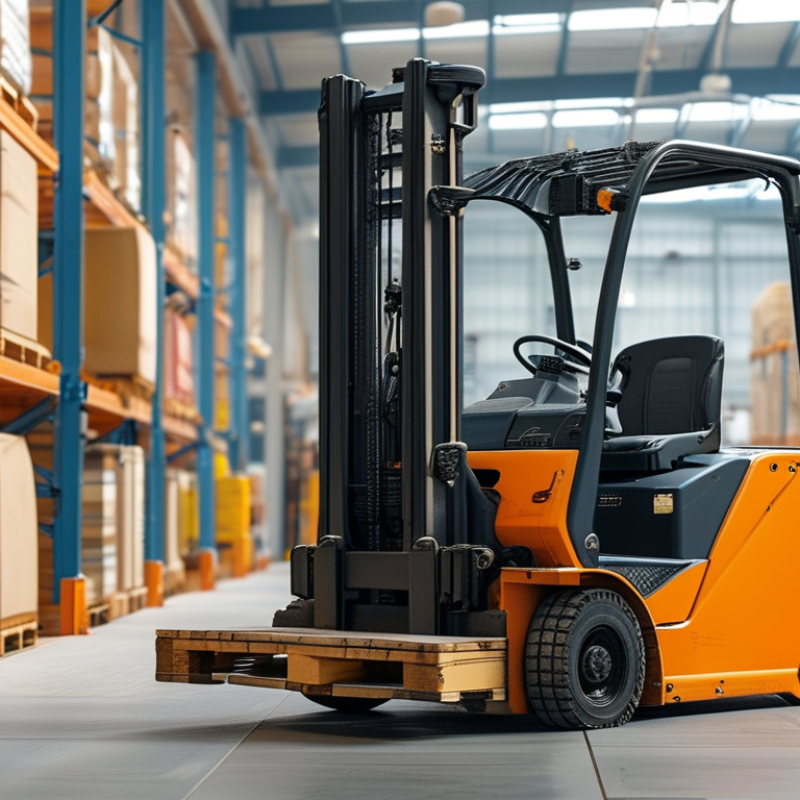
Introduction to Material Handling Equipment
Material handling equipment plays a critical role in various industries. This equipment ranges from simple tools, like hand trucks, to complex systems like automated conveyor networks. According to the Material Handling Industry of America (MHIA), the global market for material handling equipment is projected to reach $200 billion by 2027. This growth reflects the increasing demand for efficiency in logistics and warehousing.
Choosing the right equipment requires careful consideration of operational needs. Different environments might require specific solutions. For instance, heavy machinery suits industrial settings, while lightweight options work well in retail spaces. Assessing current workflows helps identify areas where improvements can occur.
Tip: Always consider scalability in your selection process. Equipment should meet today's demands but also adapt to future changes. It's essential to ensure that materials used are durable. They must withstand daily wear and tear.
Remember to involve your team in the decision-making process. Their insights will provide valuable input on practical usage. Additionally, regularly reviewing equipment performance can uncover inefficiencies. This reflection often leads to better choices in the future.
Types of Material Handling Equipment Available
When selecting material handling equipment, understanding the available types is crucial. Common equipment includes forklifts, pallet jacks, conveyors, and automated guided vehicles (AGVs). According to the Material Handling Industry Association, the material handling industry is projected to grow by 8.5% annually through 2025. This growth highlights the increasing reliance on efficient handling equipment in warehouses and logistics.
Forklifts are essential for transporting heavy loads. They often come in various types, such as electric and diesel models. A report by Grand View Research indicated that the global forklift market is expected to exceed $50 billion by 2027. Pallet jacks are ideal for smaller operations. They provide a versatile option for moving pallets short distances, saving time and reducing manual labor.
Tip: Assess your specific needs before purchasing equipment. Consider factors like load capacity and environment.
Conveyors enhance efficiency by automating the transport process. They minimize manual handling and are vital for high-volume operations. AGVs represent the future of material handling. They allow for seamless integration within existing systems and reduce labor costs. However, transitioning to automated systems can be complex.
Tip: Incorporate staff training to facilitate smooth integration.
Choosing the right equipment is not merely about preference; it’s about operational efficiency. Consider all options, even those that may not seem ideal initially. There might be hidden costs associated with maintenance or training that you should acknowledge.
Key Factors to Consider When Selecting Equipment
Selecting material handling equipment requires careful consideration. Industry reports show that improper equipment choice can lead to a 30% increase in operational costs. Understanding your specific needs is critical. Consider the weight and dimensions of the loads. Not all equipment can handle heavy or bulky items efficiently.
Another factor is the workspace layout. Equipment that works well in one environment may be unsuitable in another. For instance, narrow aisles may limit your options. Research indicates that optimal equipment can improve productivity by 25%. Observe your workflow and identify bottlenecks. This can guide your selection process.
Also, consider the technology. Automation is becoming essential in handling. Reports highlight that automated systems can reduce labor costs by up to 20%. However, integration challenges exist. Ensure your team is prepared to adapt. This creates a path for sustained efficiency, yet it is not without potential issues. Regular assessments of equipment performance are necessary. Continuous improvement is vital.
Evaluating Equipment Performance and Efficiency
Selecting the right material handling equipment is crucial for optimizing warehouse operations. Evaluating equipment performance and efficiency can be complex. According to a recent report by the Material Handling Industry of America (MHIA), approximately 30% of warehouse costs are related to equipment. Investing in equipment that enhances efficiency can reduce these costs significantly.
Performance metrics play a vital role. Speed, load capacity, and durability are key factors to consider. For instance, systems that provide real-time data can improve decision-making. A study from the Warehouse Education and Research Council (WERC) indicates that facilities using automated equipment report up to a 20% increase in throughput. This isn't just about reducing costs but also about improving service delivery.
Reliability is also essential. Equipment failure can lead to costly downtimes. A survey by the National Association of Wholesaler-Distributors (NAWD) indicates that 40% of material handling equipment suffers from age-related issues. This highlights the need for regular maintenance and timely upgrades. Making informed decisions based on precise data is crucial for maintaining high efficiency and performance in any operation. Choices should reflect real-time demands and future expectations.
Safety Considerations in Material Handling Equipment Selection
When selecting material handling equipment, safety is a paramount concern. Equipment must be designed with worker safety in mind. For instance, features like emergency stops and safety guards can significantly reduce accidents. Regular audits of equipment for wear and tear are essential. They can help identify any potential hazards early on. Unsafe equipment can lead to serious injuries, affecting both workers and operations.
Training is equally critical. Employees should understand how to operate machinery safely. A lack of training can result in misuse. Offering hands-on sessions can enhance their understanding. Keeping safety data sheets accessible also supports proper handling practices.
Consider the environment in which the equipment will be used. Poor visibility can obstruct safe operation. Ensuring adequate lighting and clear pathways is vital. Equipment should also fit the specific tasks and settings. Overloading or improper use can lead to failures and dangerous situations. Reflecting on previous incidents can provide valuable insights. Safety in material handling isn't just about compliance; it's about creating a culture of awareness and responsibility.
Essential Guide to Selecting Material Handling Equipment - Safety Considerations in Material Handling Equipment Selection
| Equipment Type |
Weight Capacity (lbs) |
Safety Features |
Recommended Use |
Maintenance Frequency |
| Forklift |
5000 |
Stability features, Backup alarms |
Warehouse, Loading docks |
Monthly |
| Pallet Jack |
5500 |
Non-slip handle, Safety brakes |
Warehouse, Retail |
Quarterly |
| Conveyor System |
Depends on model |
Emergency stop, Guards |
Manufacturing, Packaging |
Monthly |
| Aerial Lift |
1000 |
Guardrails, Emergency descent |
Construction, Maintenance |
Biannually |
| Stacker |
2200 |
Braking system, Safety switches |
Warehousing, Order picking |
Monthly |
Conclusion
When it comes to choosing the right material handling equipment, it is crucial to follow a comprehensive Material Handling Equipment Selection Guide. This guide begins with an introduction to various types of equipment available, ranging from forklifts and conveyors to automated systems, each serving distinct purposes in efficient material handling.
Key factors to consider include the specific needs of the operation, load types, and the available space. Additionally, evaluating equipment performance and efficiency is essential to ensure optimal productivity. Safety considerations must never be overlooked, as they play a critical role in the selection process. Following this guide can help organizations make informed decisions, ultimately enhancing their material handling capabilities while ensuring a safe work environment.

 TKS Logistics