Top Storage Solutions How to Evaluate Before Buying?

Time:2026-10-07 Author:Liam
0%

Choosing the right storage solution can shape how efficiently a home, office, or warehouse operates. A cabinet may look spacious online, yet its shelves might sag under real equipment. A storage box may seem affordable, but weak hinges can become frustrating after repeated use. These details often matter more than attractive photographs.

How To Evaluate Storage Solutions Before Buying requires more than comparing prices. Begin with the items you need to store, their weight, and how often you will access them. Measure the available area, including door clearance and walking space. Check material quality, load ratings, ventilation, assembly requirements, and warranty terms. Reliable manufacturers usually provide clear specifications and practical installation guidance. Independent reviews can also reveal problems that product pages overlook.

Think about long-term use.

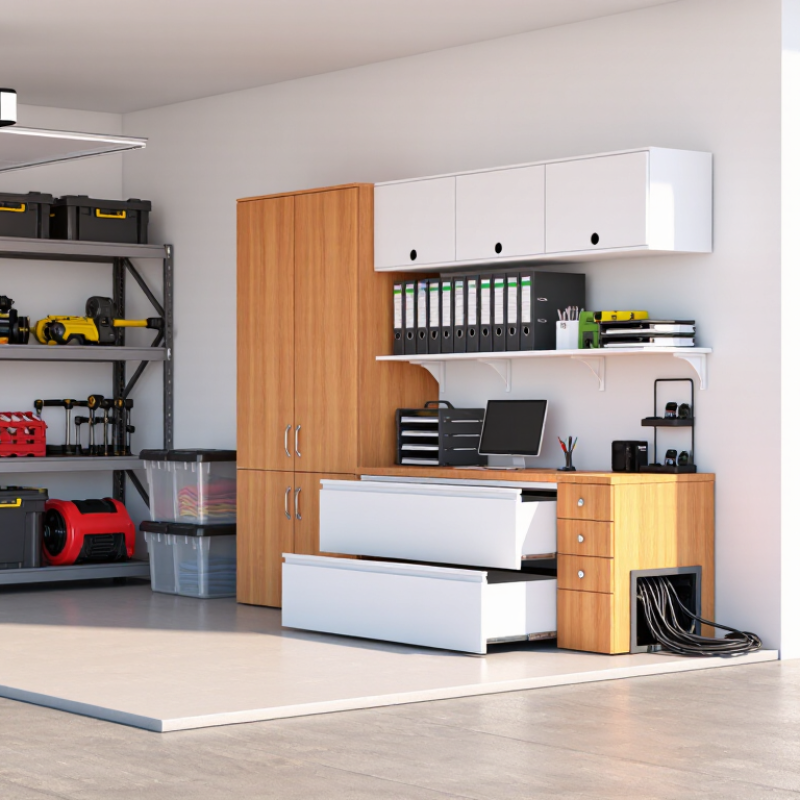
A solution should remain stable, safe, and easy to maintain. For example, a steel shelving unit may suit a garage, while sealed plastic containers may protect seasonal clothing from dust and moisture. Office storage needs different priorities, including quiet drawers, cable access, and organized retrieval. My own preference has changed after seeing how quickly poorly labeled boxes create clutter. Even careful buyers can miss a small weakness, such as sharp edges or limited adjustability. That is why testing dimensions, reading verified feedback, and checking return policies remain valuable. A thoughtful decision balances performance, appearance, budget, and future needs rather than chasing the lowest price.
Top Storage Solutions How to Evaluate Before Buying?

Understanding Storage Solutions and Their Main Types

Top Storage Solutions: How to Evaluate Before Buying?

Understanding Storage Solutions and Their Main Types

Storage solutions are organized systems for keeping items safe, accessible, and easy to track. Common types include open shelving, enclosed cabinets, drawer units, mobile racks, and modular containers. Open shelving suits frequently used tools, books, or supplies. Enclosed cabinets protect documents from dust, light, and casual access. Drawer units work well for small parts that disappear easily.

The right type depends on the item, available space, and handling routine. In a workshop, adjustable shelves may hold heavy equipment, while shallow drawers can separate screws by size. A home office may need lockable cabinets for records and cable boxes for devices. Check the load rating carefully. A shelf can look strong but bend under uneven weight. Measure doorways, wall height, and walking space before ordering.

Material also matters. Powder-coated metal handles weight well, while treated wood offers a warmer appearance. Plastic containers resist moisture but may crack in cold rooms. Look for smooth edges, stable feet, replaceable parts, and clear assembly instructions. I once chose deep bins for convenience, then wasted time searching through stacked items. That decision seemed efficient. It was not. Storage should support daily movement, not merely hide clutter. Costs include installation, maintenance, labeling, and future expansion. A cheaper unit may become expensive when it needs early replacement.

Assessing Your Space, Capacity, and Organization Needs

Before buying storage, measure the space you actually use, not the space you hope to clear. Record wall width, ceiling height, door swing, skirting boards, and outlets. A narrow corner beside a radiator may look useful, yet heat and clearance can limit safe placement. Use masking tape to mark the proposed footprint on the floor. Live with it for a day. This simple test reveals blocked paths and awkward opening angles better than a product photo.

Capacity should match real habits. Count shoes, folded clothes, files, tools, or seasonal items separately. Then estimate future growth, perhaps 15 to 20 percent. Overfilling drawers damages access and encourages unstable piles. For heavy objects, check shelf load ratings and anchor tall units according to the instructions. I have learned that “more space” can create more clutter when categories remain unclear. That lesson is easy to overlook.

Organization depends on retrieval, not just volume. Place daily items between waist and eye level, while rarely used items can occupy higher shelves. Use clear labels, consistent categories, and containers that can be lifted comfortably. Leave a small gap around frequently handled objects. Check cleaning access, ventilation, and child safety where relevant. A polished layout may still fail if nobody maintains it. Review the arrangement after one week, then adjust without treating the first plan as permanent.

Top Storage Solutions: How to Evaluate Before Buying

Compare estimated usable storage capacity from common solution types using typical dimensions and an allowance for shelving, walls, lids, and access space.

The estimates use standard household dimensions: under-bed storage at 180 × 80 × 20 cm, a low cabinet at 100 × 40 × 80 cm, a tall shelving unit at 80 × 35 × 200 cm, and four stackable bins measuring 60 × 40 × 30 cm. Usable capacity assumes 70% efficiency for cabinets and shelving, and 80% for enclosed bins.

Comparing Materials, Durability, and Safety Features

Top Storage Solutions: How to Evaluate Before Buying

Material choice affects weight, moisture resistance, and long-term stability. In storage assessments, I compare steel, solid wood, engineered wood, and heavy-duty plastic. Steel handles heavy loads well, but exposed edges may rust in damp rooms. Solid wood feels stable and attractive, though it can swell near bathrooms or laundry areas. Plastic resists moisture, but thin panels may bend under pressure. No material is perfect.

Durability depends on more than the main frame. Check joint quality, hinge movement, shelf supports, and surface finishes. A cabinet should not wobble when gently pushed. Drawers should open smoothly without scraping. I once selected a unit with attractive panels but weak fasteners. It looked reliable in the showroom and disappointed me at home. That mistake changed how I inspect products.

Tips: Test every moving part before purchase. Look for rounded corners, stable feet, secure latches, and ventilation openings where needed. Avoid sharp exposed hardware, especially in homes with children. Confirm the stated load capacity, then leave a safety margin. For bathrooms, inspect seals and rust-resistant coatings. For tall units, choose wall anchors or anti-tip fittings. Read care instructions carefully. Small details often prevent expensive repairs.

Evaluating Installation, Accessibility, and Maintenance Requirements

Top Storage Solutions: How to Evaluate Before Buying?

Evaluating installation, accessibility, and maintenance requirements can prevent expensive storage mistakes. I once selected a cabinet that fit the wall perfectly. However, its doors blocked a nearby walkway. Measure the full opening, not just the product’s outer dimensions. Check ceiling height, floor level, wall strength, and available tools before ordering. A simple sketch can reveal awkward clearances that photographs often hide.

Installation should match your space and practical skills. Heavy units may require two people, secure anchoring, or professional support. Read the assembly instructions carefully, including ventilation and load limits. Do not assume every wall can carry the same weight. That assumption can be costly. Leave enough room for hinges, drawers, cables, and future adjustments.

Accessibility affects daily use more than appearance. Place frequently used items between knee and shoulder height. Test whether doors open fully beside furniture or appliances. For shared spaces, clear labels and reachable handles reduce frustration. Maintenance also deserves attention. Look for washable surfaces, replaceable hardware, smooth runners, and accessible service panels. Dust collects quickly in corners. I underestimated that detail in an earlier project. A storage solution may look efficient today, but cleaning access and changing household needs should influence the purchase.

Top Storage Solutions: How to Evaluate Before Buying?

Evaluating Installation, Accessibility, and Maintenance Requirements

Storage Solution Typical Use Installation Requirements Accessibility Maintenance Requirements Space Efficiency Evaluation Notes
Freestanding Shelving Books, boxes, pantry supplies, and general household items Usually requires basic assembly; uneven floors may require leveling or wall anchoring High; shelves are generally easy to reach and visually accessible Low; wipe surfaces regularly and inspect fasteners periodically Moderate to high, depending on shelf height and depth Check load capacity, stability, shelf adjustability, and compatibility with the available wall or floor space.
Modular Cube Storage Clothing, toys, documents, and small accessories Simple assembly; larger configurations may need anti-tip anchoring High; open compartments provide direct access Low; dusting is typically sufficient, with fabric bins requiring occasional cleaning Moderate; vertical stacking improves capacity but can reduce access to upper compartments Consider module dimensions, bin compatibility, weight limits, and whether the layout can be changed later.
Wall-Mounted Cabinets Tools, cleaning supplies, office materials, and items needing concealed storage Requires accurate measuring, suitable wall fixings, and identification of wall structure or utilities Moderate; access depends on mounting height and door clearance Low to moderate; clean doors and interiors and check hinges or mounting hardware High; uses wall space and keeps floor areas clear Verify wall strength, door swing, ventilation needs, mounting height, and maximum supported load.
Under-Bed Storage Seasonal clothing, bedding, luggage, and infrequently used items Minimal installation; storage containers must fit the bed clearance and available floor area Low to moderate; requires bending, kneeling, or moving items to reach contents Moderate; containers should be vacuumed or wiped and protected from moisture and dust High for unused floor volume beneath the bed Measure clearance carefully and choose lidded, rigid containers when protection from dust is important.
Rolling Storage Cart Kitchen supplies, craft materials, bathroom items, and mobile workstations Usually requires light assembly; wheels may need fitting and tightening High; can be moved close to the user and stored in narrow gaps Moderate; clean wheels and shelves and inspect brakes or joints Moderate; benefits from vertical storage but requires movement clearance Assess wheel quality, floor compatibility, stability when loaded, handle clearance, and brake performance.
Stackable Storage Bins Small items, seasonal goods, documents, and garage organization No permanent installation; requires a stable, level surface and compatible stacking design Moderate; access decreases when frequently used items are placed in lower bins Low; wipe containers and check lids, handles, and stacking points High when stacked safely; vertical height must remain stable Compare internal capacity rather than external size, and label contents to reduce repeated handling.
Adjustable Closet System Clothing, shoes, accessories, and household linens Requires detailed measurements, layout planning, and assembly; some designs need wall support High when shelves and hanging rails are positioned at suitable heights Moderate; regular dusting is needed and moving parts should be checked after adjustment Very high because vertical and horizontal areas can be configured efficiently Review adjustability, weight distribution, ventilation, door clearance, and the ability to expand or reconfigure.
Pull-Out Drawer Unit Kitchenware, office supplies, tools, and frequently accessed personal items Requires level positioning and careful assembly; full-extension hardware must be aligned correctly High; drawers bring stored items forward and reduce reaching into deep spaces Moderate; clean drawer tracks and avoid exceeding the rated load Moderate to high, although clearance is needed for drawers to open fully Check drawer depth, extension range, load capacity, handle comfort, and clearance from nearby furniture.
Installation Check

Measure the available space, check wall and floor conditions, and confirm whether anchoring or professional assembly is required.

Accessibility Check

Place frequently used items between comfortable reach zones and leave enough clearance for doors, drawers, and movement.

Maintenance Check

Select surfaces that are easy to clean and inspect fasteners, hinges, wheels, tracks, and anchors at regular intervals.

Calculating Costs, Value, and Long-Term Suitability

Top Storage Solutions: How to Evaluate Before Buying?

Calculating cost means looking beyond the purchase price. Include power, cooling, maintenance, migration, and replacement expenses. Lawrence Berkeley National Laboratory’s 2024 report estimates United States data centers consumed 176 terawatt-hours in 2023. By 2028, demand could reach 325 terawatt-hours. Energy efficiency is not a minor detail.

Measure usable capacity, not the number printed on the box. A system advertised with 100 terabytes may provide less after redundancy and formatting. Calculate cost per usable terabyte, then test performance with real workloads. Large files, databases, and frequent backups behave differently. A spreadsheet helps, but it can hide operational friction.

Look closely at scalability. Uptime Institute’s 2024 Global Data Center Survey reported an average power usage effectiveness of 1.56 among surveyed facilities. Efficient infrastructure can reduce long-term operating costs. However, efficiency claims need measured evidence. Ask for workload-based results, service-life estimates, failure procedures, and recovery times.

Think five years ahead. Maybe seven.

A lower-cost system may become expensive when capacity expansion requires downtime. Cloud fees can also rise as data grows and access becomes frequent. On-site equipment may offer predictable control, but it demands skilled administration. I once underestimated migration labor; the hardware quote looked reasonable, while testing consumed the schedule. That assumption can fail.

Choose a solution that fits present usage and likely growth. Leave room for imperfect forecasts. The best value is not the lowest invoice. It is dependable access, manageable risk, and costs that remain understandable over time.

FAQS

What types of storage solutions are commonly available?

Common options include open shelving, enclosed cabinets, drawer units, mobile racks, and modular containers. Each type serves a different routine.

How should I choose between open shelves and enclosed cabinets?

Open shelves suit frequently used tools, books, and supplies. Enclosed cabinets protect records from dust, light, and casual access. Think about reach frequency.

What measurements should I check before ordering storage?

Measure doorways, wall height, floor space, and walking paths. Also check shelf depth and loaded weight. Measure twice.

Why does load rating matter?

A shelf may look strong but bend under uneven weight. Place heavy equipment on supported levels. A neat appearance proves little.

Which materials work best for different environments?

Powder-coated metal handles heavier loads well. Treated wood adds warmth. Plastic containers resist moisture but may crack in cold rooms.

How can I avoid losing small items inside storage bins?

Use shallow drawers for screws, fittings, and other small parts. Add clear labels and separate items by size. Deep bins can waste search time.

What costs should I include when comparing storage systems?

Include purchase, installation, maintenance, labeling, expansion, and replacement costs. Digital systems may also require power, cooling, administration, and migration work.

How should I calculate usable digital storage capacity?

Measure available capacity after formatting and redundancy. A system advertised with 100 terabytes may provide less usable space. Test it with real files and backups.

How can I judge long-term value and scalability?

Check expansion methods, downtime requirements, recovery times, and service-life estimates. Leave room for uncertain growth. The cheaper choice may cost more later.

Conclusion

Choosing the right storage system requires more than comparing appearance or price. How To Evaluate Storage Solutions Before Buying begins with understanding the main types available, such as shelves, cabinets, bins, racks, and modular units. Consider the size and layout of your space, the amount and type of items you need to store, and how easily you want everything organized and accessible. A well-planned solution should use space efficiently while supporting your current needs and allowing room for future changes.

Next, compare materials, construction quality, weight capacity, and safety features to ensure reliable long-term use. Review the installation process, portability, cleaning requirements, and ease of access before making a decision. Finally, calculate the full cost, including accessories, setup, and maintenance, rather than focusing only on the initial price. The best choice offers lasting value, suits your environment, and remains practical as your storage needs develop.

Liam

Liam

Liam is a dedicated marketing professional with a profound expertise in the industry, where he excels at highlighting the unique advantages of our core products. With a keen understanding of market trends and consumer needs, Liam frequently updates our company’s professional blog, providing......