Material Handling Ergonomics For Worker Safety is about designing handling tasks around people, not asking people to endure poorly designed work. A carton may look light, yet become risky when it sits near the floor, far from the body, or on a fast-moving line. Repeated reaches, twisting, and awkward grips can add strain across a shift. Small details matter.
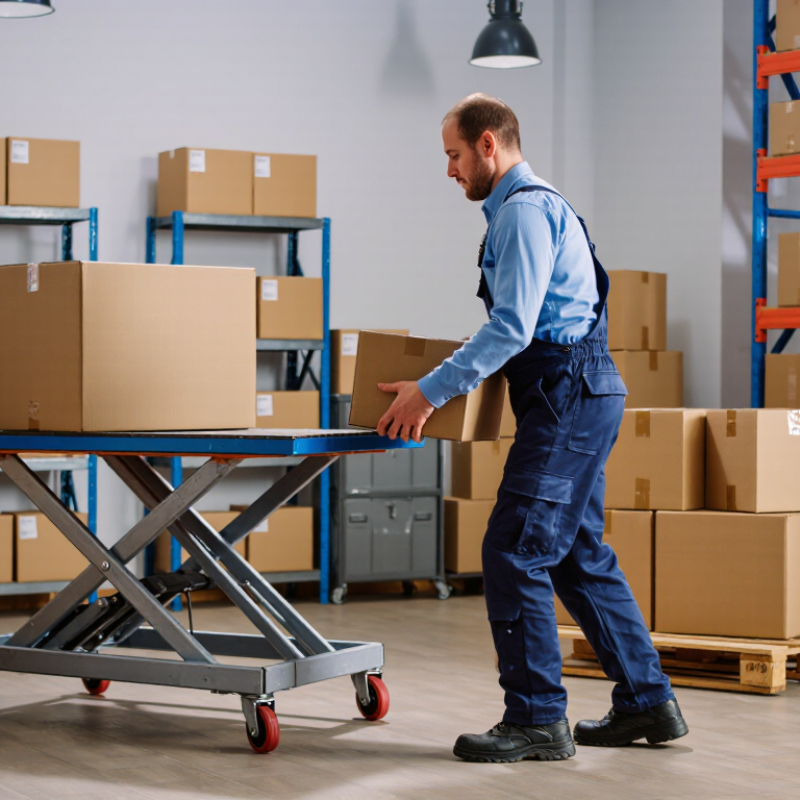
NIOSH ergonomics researcher Dr. Thomas R. Waters’ lifting research offers a useful reminder: lifting risk cannot be judged by weight alone. Task demands and how a lift is performed matter, too. That perspective helps explain why practical controls—such as raising pallet loads, keeping materials close, and using suitable lift tables—can make everyday handling safer. The details are visible: a worker bends less, turns less, and does not have to reach across a pallet for each box.
Equipment alone is not a complete answer. A lift table set at the wrong height can create a new awkward reach, and a rushed workflow can defeat a sensible layout. That deserves a second look. Good ergonomic practice combines task assessment, worker feedback, and adjustments that can be checked over time. This introduction sets the stage for examining common handling risks, useful design controls, and ways to evaluate whether changes actually help workers.
What Material Handling Ergonomics Covers
Material handling ergonomics examines how workers lift, carry, push, pull, and position loads during daily tasks. It considers the weight and shape of an object, how often it moves, and how far it travels. A box with loose contents can shift suddenly. A low shelf may also force repeated bending. These details matter because strain often builds across many small movements, not one dramatic lift.
The assessment also looks at the work area and equipment. A narrow aisle can make a cart harder to steer, while a handle placed too low may encourage awkward posture. Work pace, rest breaks, floor conditions, and workers’ experience all affect risk. Good ergonomic changes may include raising storage, reducing load sizes, using lift tables, or adjusting task rotation. No single fix suits every job. A change that helps one station might create congestion elsewhere, so teams should observe the task and check whether the adjustment actually helps.
Tips: Watch one full work cycle before recommending changes. Note where workers reach, twist, pause, or shift their grip. Keep loads close to the body, and use stable carts when distance or repetition makes carrying tiring. Ask workers what feels difficult; they often notice problems that a quick inspection misses. Still, comfort alone is not proof of safety. Recheck the task after changes, because the first solution may need refining.
In the NIOSH Revised Lifting Equation, a greater horizontal reach lowers the recommended weight limit. These values are calculated using the equation’s 23 kg load constant and horizontal multiplier (25 cm ÷ reach); all other multipliers are set to 1. The equation is a screening tool, not a guarantee of safety.
Why Material Handling Ergonomics Matters for Worker Safety
How Poor Handling Practices Put Workers at Risk
A worker lifting a box from a low pallet may twist before standing. That small movement can strain the lower back, especially when repeated for hours. Poor handling practices also include reaching across conveyors, carrying loads that block visibility, and pulling carts with damaged wheels. These actions increase muscle force and reduce a worker’s control.
An ergonomic risk assessment should examine weight, frequency, distance, posture, and grip. A trained supervisor can observe the real task, not just read a procedure. Adjustable pallet heights, lift assists, team handling, and clear travel paths can reduce physical exposure. Workers need practical instruction, including when to stop and request help. A weight label is useful. It is not enough.
In busy facilities, speed can quietly replace judgment. Rushed movements may become “normal” when production targets dominate conversations. That habit deserves challenge. Even experienced workers can misjudge a shifting load or slippery floor. One awkward lift may cause immediate pain, or symptoms may appear later. Workers may fear appearing weak when reporting discomfort. That concern should be addressed openly. Safety checks also need regular review because layouts, staffing, and materials change. A checklist helps, but it can create false confidence when nobody observes the actual work.
| Handling Risk Factor | Example of Poor Practice | Potential Worker Risk | Ergonomic Improvement | Useful Safety Check |
|---|---|---|---|---|
| Heavy or awkward loads | Lifting a bulky box alone when its weight or contents are difficult to control | Excessive physical strain and possible back, shoulder, or hand injury | Reduce package weight or size, use a suitable lifting aid, or arrange a team lift when appropriate | Check whether the load can be held securely and moved without excessive effort |
| Long reaches and twisting | Reaching across a deep pallet or twisting the torso while carrying an item | Increased strain on the back, shoulders, and arms; reduced control of the load | Keep frequently handled items close, reposition the feet to turn, and improve access to pallets or shelves | Observe whether workers can reach and turn without bending or twisting their trunks |
| Repetitive handling | Repeating the same lifting, packing, or sorting motion for long periods without task variation | Fatigue and cumulative strain, particularly in the hands, wrists, arms, and shoulders | Review workflow and workstation layout; consider task variation and appropriate recovery breaks | Review task frequency, duration, reported discomfort, and opportunities for recovery |
| Lifting from floor level | Repeatedly picking items up from the floor or from low storage positions | Greater bending and physical demand, especially when loads are heavy or handled repeatedly | Raise storage or work surfaces where practical and use lift tables or other suitable handling equipment | Identify frequent lifts that begin below knee level and assess whether storage can be adjusted |
| Pushing and pulling equipment | Moving an overloaded or poorly maintained cart over uneven floors or around obstructions | Exertion, loss of control, or collision and trip hazards | Maintain wheels and handles, keep routes clear, and select equipment suitable for the load and route | Check cart condition, route surfaces, visibility, and whether the load can be moved smoothly |
| Unstable or obstructed loads | Carrying items that block the view or stacking materials so they can shift during transport | Dropped objects, trips, collisions, or impact injuries | Secure loads, keep them within a manageable size, and use a cart or make multiple trips when needed | Confirm the load is stable and the worker has a clear view of the travel path |
| Insufficient training or reporting | Workers lack guidance on available handling aids or do not report recurring discomfort and hazards | Unsafe work may continue, allowing risks to remain unaddressed | Provide task-specific instruction, encourage early reporting, and involve workers in identifying improvements | Review training coverage, hazard reports, near misses, and follow-up actions |
Note: Ergonomic risks depend on the task, load, work environment, and individual worker. Assess handling activities in their actual workplace conditions and select controls appropriate to the specific hazards.
Why Material Handling Ergonomics Matters for Worker Safety
Ergonomic design reduces physical strain by changing how workers lift, push, reach, and carry materials. A box placed between knee and shoulder height usually requires less bending and twisting. Handles can improve grip, while wheels reduce pushing force across longer routes. Small design choices matter. They change repeated movements.
The U.S. Bureau of Labor Statistics reported that musculoskeletal disorders represented about 27% of workplace injury cases involving days away from work in 2022. These injuries often involve the back, shoulders, and knees. The 2023 Liberty Mutual Workplace Safety Index estimated that overexertion caused $13.4 billion in direct workers’ compensation costs in 2021. This figure shows that physical strain is not a minor operational issue.
Practical assessments should examine the real task, not only the equipment. A trolley may reduce carrying, but poor wheel maintenance can increase pushing effort. Adjustable shelf heights, lift tables, lighter containers, and planned material routes can reduce awkward postures. Workers should also help test these changes because they understand daily obstacles. Rotation can help, but it cannot replace better design. That assumption deserves scrutiny. A faster pace may quietly cancel the benefit of ergonomic equipment. Supervisors should review near misses, discomfort reports, and force demands regularly. Good ergonomics is measurable, but it is never perfectly finished.
Material handling safety improves when equipment matches the load, route, and worker—not just the task. A height-adjustable lift table can keep a crate near waist level, reducing repeated bending. For long or bulky loads, carts with suitable handles and smooth-rolling wheels can limit awkward carrying. Check wheel condition and handle height during routine inspections. Small faults matter.
Work practices matter just as much. Keep frequently used materials between knee and shoulder height, and leave clear paths around shelving and workstations. Before lifting, check the load’s weight and stability; split it or use a mechanical aid when practical. Turn with your feet instead of twisting under load. Team lifts help with large items, but only when workers agree on the route and timing. “Ready” should mean everyone is ready.
Training should use the actual equipment and loads workers handle, not only a classroom example. Supervisors can watch a task and ask where workers feel strain or need to reach. A simple observation may reveal that a pallet is positioned too far from the lift table. No checklist catches every awkward movement, though. Recheck arrangements after a workflow changes, and invite workers to report discomfort early.
Material handling training works best when it reflects the actual loads, routes, and tools workers face. A practice session can show how to keep a box close, turn with the feet, and ask for help with an awkward load. Use realistic items, such as a tote that blocks the view or a cart crossing a narrow aisle. Small details matter.
But one demonstration is not enough. Supervisors can watch routine tasks and offer specific, respectful feedback. A worker lifting from a low pallet may need a raised work surface, not another reminder to “lift correctly.” Training should also cover early signs of strain and how to report changing conditions. Keep it practical. Let workers try the safer method themselves, then check whether it feels workable during a busy shift.
Workplace reviews help keep that training grounded. Walk the route with employees and note cramped turns, uneven floors, crowded staging areas, or handles that force a tight grip. Ask what makes a task harder near the end of a shift. Review injury reports and near misses alongside worker observations, while protecting privacy. Not every hazard is obvious on a checklist. A review can miss a problem if it happens only during peak workload, so revisit the area at different times. Record who will address each issue and when it will be checked again. Updates may be imperfect at first; workers should be able to say when a change has not helped.
Lifting from a low pallet while twisting can strain the lower back. Repeating it for hours increases exposure. One awkward lift may hurt immediately, or pain may appear later.
Reaching across conveyors, carrying loads that block vision, and pulling carts with damaged wheels can increase strain. A slippery floor adds another risk.
It should review load weight, lifting frequency, travel distance, posture, and grip. A supervisor should observe the actual task, not just read a procedure.
Keep boxes between knee and shoulder height when possible. Adjustable shelves, lift tables, lighter containers, and clear routes can reduce bending and carrying.
They can help. But damaged trolley wheels may increase pushing effort, so equipment needs regular checks.
No. A label gives useful information, but workers also need practical instruction and permission to stop and ask for help.
It may miss what happens during real work. Layouts, staffing, and materials change, so someone should observe the task regularly. Checklists help, but they are not the whole picture.
No. Rotation may spread tasks around, but it cannot fix poor equipment or awkward layouts. A faster pace can also cancel some benefits. That is easy to overlook.
In 2022, musculoskeletal disorders made up about 27% of workplace injury cases involving days away from work. One 2023 estimate put overexertion costs at $13.4 billion for 2021. Numbers help, but they do not show every worker’s experience.
Material Handling Ergonomics For Worker Safety focuses on fitting tasks, tools, and workspaces to the people who use them. Material handling includes lifting, lowering, carrying, pushing, pulling, and moving objects. When these tasks involve excessive weight, awkward postures, repetitive motions, or rushed movements, workers face greater risk of muscle strain, back pain, and other injuries. Poorly arranged work areas can add unnecessary reaching, twisting, and walking, increasing physical demands throughout a shift.
Ergonomic design helps reduce these risks by placing materials within easy reach, adjusting work heights, and choosing suitable aids such as carts, lift tables, or hoists. Safer work practices include keeping loads close to the body, using stable footing, and asking for assistance when an item is difficult to handle. Regular training helps workers recognize hazards and use equipment correctly, while workplace reviews can identify changing needs and opportunities for improvement. Together, thoughtful design, practical equipment, safe habits, and ongoing reviews support a healthier and more productive workplace.

TKS Logistics