10 Tips to Optimize Storage Space in Logistics Facilities?

Time:2026-06-07 Author:Amelia
0%

In the ever-evolving world of logistics, space is a precious commodity. Effective storage solutions can significantly enhance efficiency. Understanding how to optimize storage space in logistics facilities is crucial for success.

Many organizations face challenges with limited space. They often struggle to find innovative ways to store inventory. The importance of maximizing storage cannot be overstated. It not only improves workflow but also reduces operational costs. A well-optimized storage area encourages better inventory management too.

However, achieving optimal storage requires thoughtful planning. Many facilities underestimate the impact of layout and technology. It's essential to reflect on existing systems and processes. Areas for improvement may become evident with a fresh perspective. Embracing change can lead to a more organized and functional environment.
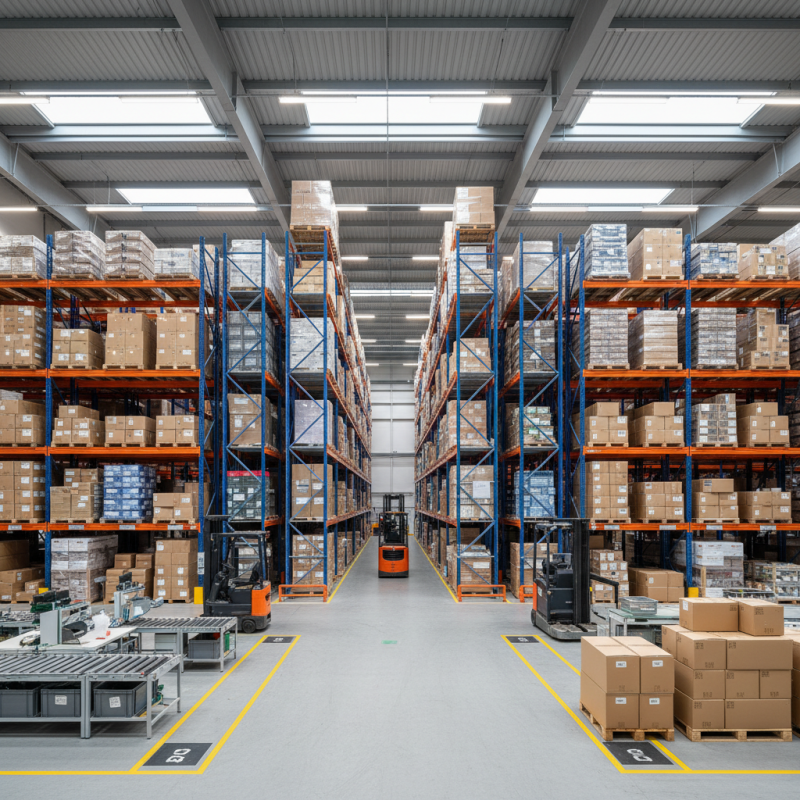
10 Tips to Optimize Storage Space in Logistics Facilities?

Assess Current Storage Capacity and Layout for Efficiency

Assessing current storage capacity and layout is crucial for maximizing efficiency in logistics facilities. According to the Warehousing Education and Research Council, inadequate storage organization can lead to a 20% increase in operational costs. This underscores the importance of evaluating space usage continuously.

A recent study from the Logistics Management Association highlighted that nearly 75% of warehouses are underutilized. This often stems from outdated layouts or inventory mismanagement. Utilizing vertical space and re-evaluating shelf configurations can reveal opportunities. It’s essential to measure aisle widths, rack heights, and pallet configurations. Even small adjustments can significantly enhance storage capacity.

Logistics professionals should regularly track storage metrics like inventory turnover rates and space utilization percentages. Regular audits can identify inefficiencies. Without a proactive approach, wasted space may lead to lost revenue and increased labor costs. Reflecting on current practices allows for incremental improvements that are both practical and impactful. Efficient layout design can transform a facility from overcrowded to optimized.

10 Tips to Optimize Storage Space in Logistics Facilities

Tip Number Tip Description Expected Outcome Implementation Time
1 Conduct a space audit Identify underutilized areas 1 Week
2 Implement vertical storage solutions Increase storage capacity by 30% 2 Weeks
3 Utilize pallet racking systems Maximize floor space 1 Week
4 Adopt a first-in-first-out (FIFO) system Reduce product spoilage 1-2 Weeks
5 Optimize aisle widths Improve picking efficiency 1 Week
6 Invest in modular shelving Flexible storage options 2 Weeks
7 Use technology for inventory management Real-time tracking Ongoing
8 Plan for seasonal fluctuations Efficient space utilization Ongoing
9 Regularly review layout effectiveness Continuous improvement Quarterly
10 Train staff on best practices Increased productivity 1 Month

Implement Vertical Space Utilization Strategies in Warehousing

Utilizing vertical space is critical for optimizing storage in logistics facilities. Many warehouses underuse their vertical potential. According to a report by the Warehousing Education and Research Council, warehouses can increase storage capacity by 40% simply by maximizing vertical space. Implementing high-rise shelving and racking systems allows for better inventory management while minimizing the land footprint.

Investing in vertical storage solutions can create room for more products without expanding the facility's footprint. Vertical lift modules and automated storage systems can safely store items at higher levels, reducing the risk of accidents associated with manual lifting. However, not all facilities are equipped for such systems. An analysis by the Logistics Management magazine noted that only 30% of warehouses utilize automation technologies effectively.

It's essential to regularly assess your current layout and storage practices. Factors like aisle width and accessibility should be considered. Inefficient layouts can lead to wasted vertical space. Often, teams may find that they are storing less frequently accessed items at prime lower levels. A reorganization can lead to enhanced efficiency and ultimately save costs. While many companies have embraced vertical storage, a holistic approach to space management often remains elusive.

Employ Modular Shelving Systems for Flexible Configuration

Employing modular shelving systems can significantly enhance the storage space in logistics facilities. These systems offer flexibility and efficiency, allowing for easy reconfiguration as needs change. When implementing modular shelving, consider the specific items you will store. Some products are bulkier, while others are smaller and require different storage solutions.


Using adjustable shelves enables quick adjustments. You can optimize vertical space that often goes unused. These shelving units can be reconfigured to accommodate seasonal inventory changes. This adaptability is crucial in preventing space waste and ensuring that your facility remains functional.


However, careful planning is essential. Overloading shelves can lead to safety hazards. Not all items are suited for every shelf height. It's vital to assess the weight limits and dimensions of products. Regular audits of your shelving systems can reveal inefficiencies. Identify which setups work best and which require revisions. Modifications and improvements are a continuous process in logistics management.

Utilize Technology and Software for Inventory Management Optimization

In today's logistics industry, effective inventory management is a cornerstone of operational efficiency. Utilizing technology can significantly enhance this process. Advanced software solutions can help streamline inventory tracking and management. They enable real-time data collection, offering insights into stock levels and turnover rates. With this information, businesses can avoid overstocking or stockouts, two common pitfalls.

Implementing tools like barcode scanners and RFID technology can further enhance accuracy. These technologies reduce human error and speed up operations. However, relying solely on automation might create blind spots. Staff training is crucial, as human judgment remains vital in certain situations. Employees need to interpret data effectively and respond to unexpected challenges.

Moreover, integrating software with existing systems can be daunting. Organizations must consider compatibility issues and employee resistance to change. Balancing innovation and user-friendliness is key. It's essential to pilot new solutions and gather feedback regularly. This iterative approach can lead to continuous improvement and stronger inventory management strategies.

10 Tips to Optimize Storage Space in Logistics Facilities

This chart illustrates the effectiveness of various inventory management optimization strategies in terms of the percentage of space saved in logistics facilities.

Enhance Workflow with Designated Picking and Packing Areas

Designating specific areas for picking and packing in logistics facilities can significantly enhance workflow efficiency. Studies show that organized picking zones can reduce order fulfillment time by up to 25%. When items are grouped by popularity and shipping frequency, it minimizes unnecessary travel time for employees. Such strategic organization relies on data analysis, which has become an industry standard for optimizing storage.

The design of these areas should also consider ergonomics. Employees should be able to quickly reach essential items without excessive bending or stretching. A layout that allows for easy access reduces strain and can lead to fewer workplace injuries. This, in turn, affects morale and productivity. A logistics facility with a designated packing area can also minimize errors in order processing, leading to higher customer satisfaction rates.

However, challenges persist. Many facilities struggle with space constraints, limiting the effectiveness of designated areas. Frequent layout changes can create confusion. Continuous training for staff is necessary to adapt to evolving warehouse designs. Regular audits and adjustments based on operations analysis can help address these issues, ensuring that the intended efficiency gains are realized effectively.

FAQS

: What are the benefits of using modular shelving systems in logistics?

: Modular shelving offers flexibility and efficiency. It allows for easy reconfiguration as storage needs change.

How can adjustable shelves improve storage efficiency?

Adjustable shelves optimize unused vertical space. They enable quick adjustments based on item size and weight.

What should be considered when planning shelving layouts?

Assess weight limits and dimensions of products. Ensure shelves are not overloaded to avoid safety hazards.

How do designated picking areas enhance workflow?

Organized picking zones can reduce order fulfillment time by up to 25%. They minimize unnecessary travel for employees.

Why is ergonomics important in layout design?

A layout that considers ergonomics reduces strain. It allows employees to access items quickly, enhancing productivity.

What challenges do logistics facilities face with designated areas?

Space constraints can limit effectiveness. Frequent layout changes can create confusion among staff.

How can regular audits benefit shelving systems?

Regular audits reveal inefficiencies. They help identify effective setups and those needing revisions for improvement.

What role does data analysis play in storage organization?

Data analysis helps group items by popularity. This minimizes travel time and enhances overall efficiency.

Why is continuous training necessary for staff?

Staff must adapt to evolving warehouse designs. Continuous training ensures they remain efficient and confident in their roles.

What can happen if shelving systems are not carefully managed?

Poor management can lead to safety hazards and space waste. Continuous adjustments are crucial for long-term success.

Conclusion

In today's competitive logistics environment, knowing how to optimize storage space in logistics facilities is critical for improving operational efficiency. To begin with, assessing the current storage capacity and layout is essential, as it reveals areas where improvements can be made. Implementing vertical space utilization strategies can significantly enhance storage density while employing modular shelving systems allows for flexible configuration according to varying needs.

Furthermore, leveraging technology and software for inventory management optimization can streamline processes and reduce errors. Finally, establishing designated picking and packing areas enhances workflow efficiency, ensuring that goods are handled swiftly and accurately. By incorporating these strategies, logistics facilities can maximize their storage potential, reduce costs, and ultimately improve service delivery.

Amelia

Amelia

Amelia is a seasoned marketing professional with a wealth of expertise in our company’s core offerings. With an unwavering passion for driving growth and innovation, she plays a pivotal role in shaping our marketing strategies and enhancing brand visibility. A key aspect of her responsibilities......