Top 10 Strategies to Improve Warehouse Space Utilization?

Time:2026-07-29 Author:Liam
0%

In today's competitive business landscape, optimizing warehouse space is essential. Businesses often struggle with underutilized areas, leading to increased costs and inefficiencies. Understanding "How To Improve Warehouse Space Utilization" is crucial for success. This increase in efficiency can directly impact a company's bottom line.

Effective strategies can unlock hidden potential in your warehouse. Consider implementing technologies that streamline inventory management. Rethinking your layout can also maximize available space. These methods are not one-size-fits-all and require tailored approaches. It’s important to assess the unique challenges your warehouse faces.

However, not all strategies will yield immediate benefits. It's common to encounter obstacles when making changes. Regular evaluations can show which methods work. Adapting over time will bring more sustainable results. Improving warehouse space utilization is a continuous journey rather than a final destination.
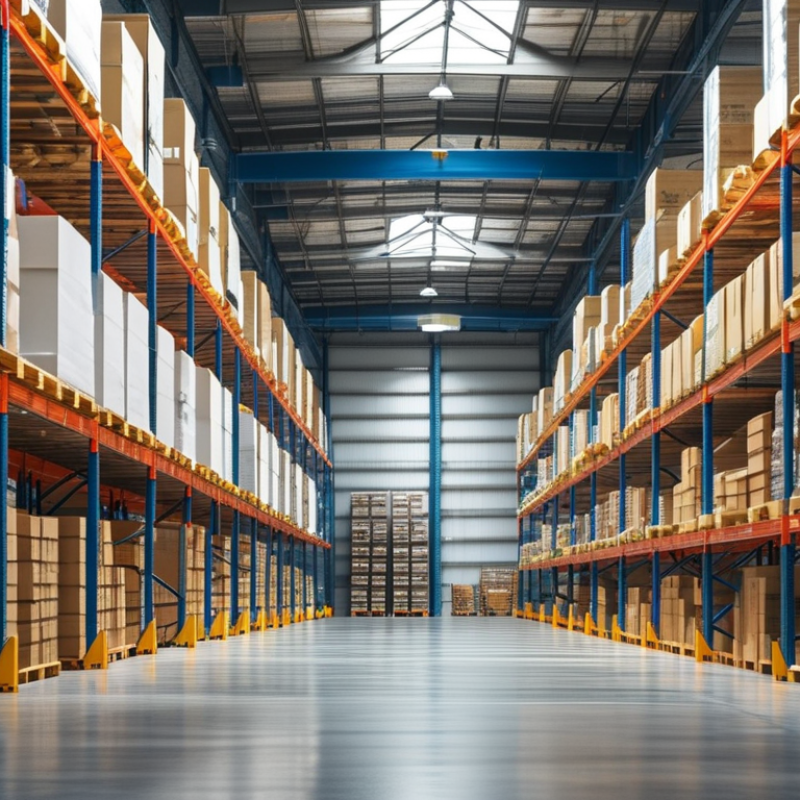
Top 10 Strategies to Improve Warehouse Space Utilization?

Assessing Current Warehouse Layout and Operations

Evaluating the current warehouse layout is crucial for optimizing space utilization. Studies show that inefficient layouts can reduce storage capacity by up to 30%. This inefficiency often stems from poor flow of goods and inadequate shelving systems. For example, a high-density storage arrangement may allow for more items to be stored in a smaller area, enhancing overall productivity.

Operational assessments contribute significantly to space optimization. Regular analysis of order frequency and item turnover can reveal patterns that warrant layout adjustments. According to industry surveys, 40% of warehouse space is often underutilized. This can be due to slow-moving inventory occupying valuable locations, which could be better used for fast-moving items.

Implementing a strategy like zoning can also help. By designating specific areas for different types of products, warehouses can enhance picking efficiency. However, the challenge lies in continuous evaluation and willingness to adapt layouts. Organizations must remain flexible, as market demands and inventory needs change. Addressing these issues can lead to more effective space management in warehouses.

Implementing Vertical Storage Solutions for Enhanced Capacity

When it comes to warehouse space utilization, vertical storage solutions can significantly enhance capacity. By leveraging the height of a warehouse, businesses can often double or triple their storage efficiency. Implementing shelving units that reach the ceiling, for instance, can help accommodate more items in the same footprint. These racks can be adjusted as inventory changes. This flexibility allows for optimal use of space throughout seasons.

Another effective strategy is using automated vertical lifts. They minimize floor space while maximizing storage potential. Automated systems can retrieve products quickly, reducing the time spent searching for items. However, these systems may require a higher initial investment and ongoing maintenance. Some warehouses might hesitate to adopt such technology. If not managed well, this can lead to underutilization or frustration among staff.

Incorporating vertical storage also demands thorough planning and employee training. Workers need to be educated in safe loading and unloading practices. Rushing these processes can increase the risk of accidents. A well-designed vertical storage system should balance efficiency and safety. Reflecting on existing space usage can help identify areas for improvement and optimization. The goal is to create a more organized and efficient workspace.

Adopting Advanced Inventory Management Techniques

Efficient warehouse space utilization is crucial for operational success. Adopting advanced inventory management techniques can significantly enhance this aspect. Implementing real-time tracking systems allows businesses to monitor stock levels accurately. This reduces overstock and minimizes waste. When items are easily located, re-shelving becomes simpler, freeing up valuable space.

Automated inventory systems also play a key role. By utilizing software that predicts demand, companies can adjust their inventory accordingly. This helps in avoiding excess stock and ensures just-in-time delivery. However, it requires regular evaluation and adjustment to function optimally. Not all logistics teams will thrive under this model, as some may resist technological changes.

A deep analysis of storage methods is essential too. For example, revising shelving layouts can maximize vertical space. Utilizing mobile shelving can create flexibility within the warehouse. Nonetheless, these changes may involve initial costs and potential disruption. Each strategy demands careful consideration to align with the specific needs of the operation. Balancing technology with practical workflow will foster a more organized and efficient warehouse environment.

Top 10 Strategies to Improve Warehouse Space Utilization

Strategy Description Benefits
Implement Vertical Storage Solutions Utilizing vertical space by adding taller shelving units. Increases storage capacity without expanding floor space.
Adopt Just In Time (JIT) Inventory Maintaining minimal stock levels by receiving goods only as needed. Reduces necessary warehouse space for holding excess inventory.
Use Automated Storage and Retrieval Systems (AS/RS) Implementing systems that automate the movement of goods. Improves efficiency and maximizes space utilization.
Regular Inventory Audits Conducting periodic checks on stock levels and organization. Helps identify slow-moving items and optimize layout.
Optimize Warehouse Layout Designing the layout for maximum flow and access. Increases picking speed and reduces travel time.
Utilize Cross-Docking Techniques Directly transferring goods from inbound to outbound shipping. Minimizes storage time and space requirements.
Implement Batch Picking Gathering items for multiple orders in a single trip. Increases efficiency and reduces workspace congestion.
Utilize Data Analytics Analyzing storage patterns and performance metrics. Facilitates informed decisions for space allocation.
Train Staff Regularly Consistent training on best practices and technology. Enhances productivity and reduces errors.

Utilizing Automation and Technology for Efficiency

Automation and technology have transformed warehouse management. Implementing smart inventory systems allows for better tracking and organization. This can lead to improved space utilization. High-density storage systems can help fit more products in less space.

Many warehouses now use automated guided vehicles (AGVs) to move items efficiently. These vehicles reduce labor costs and maintain a smooth workflow. However, the implementation can be challenging. It requires staff training and investment in infrastructure upgrades.

Tips for maximizing efficiency include assessing your current layout regularly. Use data analytics to understand space utilization trends. Often, rethinking aisle widths and shelf heights can reveal hidden space. Automation can optimize storage but requires ongoing evaluation to match your dynamic inventory needs.

Regularly Reviewing and Optimizing Space Utilization Strategies

Regularly reviewing and optimizing space utilization strategies is crucial for warehouse efficiency. According to a report by the Warehousing Education and Research Council, improper space utilization can lead to 25% wasted storage capacity. This pain point can dramatically increase operating costs. Many warehouses fail to maximize vertical space, leaving expensive cubic footage unused. Implementing vertical storage solutions can be a game-changer.

Data from the Logistics Management shows that businesses that regularly assess their layout can improve space usage by up to 30%. This involves not just adjusting shelving and racking but also re-evaluating inventory placement and flow patterns. A warehouse’s design should adapt to seasonal demand fluctuations. Taking a step back to analyze the workflow can identify bottlenecks and reveal areas for improvement.

However, it’s important to acknowledge that optimizing space isn’t a one-time task. Regular audits often expose inefficiencies, requiring ongoing adaptation. Over-reliance on static designs or outdated practices can hinder growth. Continuous improvement based on real-time data ensures that a warehouse remains agile and competitive in a changing market landscape. Regular strategy reviews foster a culture of efficiency and responsiveness.

Top 10 Strategies to Improve Warehouse Space Utilization

FAQS

: Why is assessing the current warehouse layout important?

: Evaluating the layout optimizes space and can improve storage capacity by up to 30%.

What causes inefficiencies in warehouse layouts?

Poor flow of goods and inadequate shelving often lead to reduced storage capacity.

How does zoning help in a warehouse?

Zoning designates areas for different products, improving picking efficiency and organization.

What is a significant benefit of vertical storage solutions?

These solutions can double or triple storage efficiency by utilizing height effectively.

What challenges are associated with vertical storage systems?

They may require higher initial investment and ongoing maintenance, potentially causing hesitation in adoption.

How can regular assessments improve warehouse operations?

Continuous evaluation can identify usage patterns and bottlenecks, enhancing overall efficiency.

What risks are present when rushing warehouse processes?

Quick loading and unloading can lead to accidents and inefficiencies, highlighting the need for training.

Is optimizing warehouse space a one-time effort?

No, it requires ongoing evaluations to adapt to changing inventory needs and market demands.

What can happen if a warehouse relies on outdated practices?

Sticking to static designs can hinder growth and limit operational efficiency.

How does data analysis contribute to warehouse success?

Real-time data helps identify improvements, ensuring adaptability and competitive edge in the market.

Conclusion

In today's competitive market, understanding how to improve warehouse space utilization is essential for optimizing operational efficiencies and reducing costs. The first step is to assess the current warehouse layout and operations, identifying potential areas for improvement. Implementing vertical storage solutions can significantly enhance capacity, allowing for better use of overhead space.

Additionally, adopting advanced inventory management techniques ensures that stock levels are maintained properly, minimizing wasted space. The integration of automation and technology plays a crucial role in streamlining processes and increasing efficiency. Finally, regularly reviewing and optimizing space utilization strategies will help businesses adapt to changing needs and maximize their warehouse performance. By following these strategies, warehouses can achieve a more productive and organized environment.

Liam

Liam

Liam is a dedicated marketing professional with a profound expertise in the industry, where he excels at highlighting the unique advantages of our core products. With a keen understanding of market trends and consumer needs, Liam frequently updates our company’s professional blog, providing......