When operating in harsh environments, maintaining storage systems is crucial. How to maintain storage systems in harsh environments requires a structured approach. Extreme temperatures, humidity, and dust can all impact performance. Regular maintenance can prevent costly failures.
Understanding the specific challenges of your environment is essential. Identify potential risks such as corrosion, vibration, and contamination. Use high-quality materials designed to withstand these conditions. Regular inspections can help catch problems early. Documenting these findings helps build a history of your systems.
Maintaining these systems isn't just about fixing problems. It’s about proactive strategies. Investing in proper training for staff ensures they recognize and address issues quickly. A well-maintained system is less likely to fail unexpectedly. Remember, even minor oversight can lead to significant repairs later.
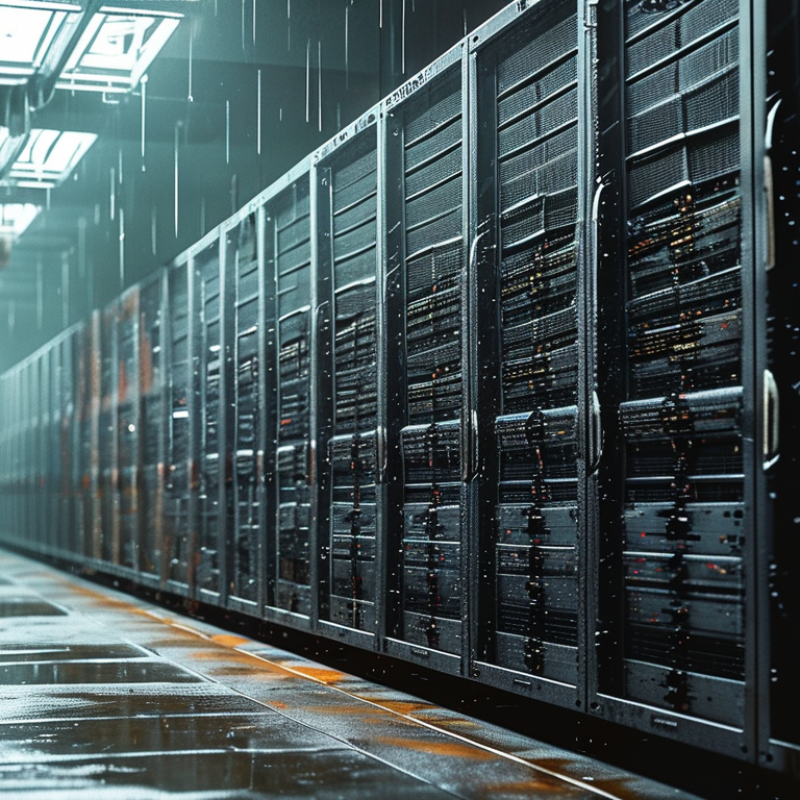
Harsh environments present significant challenges for storage systems. Extreme temperatures, humidity, and dust can impact performance and longevity. For instance, devices exposed to high heat may suffer from thermal stress. This can lead to premature failure, requiring regular checks and maintenance. Systems must often go through rigorous testing to ensure they can withstand such conditions. These tests help identify potential weaknesses before the equipment is put to use.
Corrosion is another critical issue in challenging environments. Humidity can cause rust on metal components, leading to system malfunctions. Adequate sealing is essential to protect sensitive parts from moisture. Dust accumulation can block airflow, resulting in overheating. Preventive measures, like regular cleaning and inspections, can mitigate risks. However, many individuals overlook these details. A proactive approach can save resources in the long run.
It’s important to gather real-world feedback from users operating in such settings. Their experiences reveal common pitfalls. Training team members on best practices can further enhance reliability. This knowledge sharing can provide invaluable insights. Even small adjustments to maintenance routines can yield substantial benefits. Recognizing the need for ongoing assessment is key in harsh conditions.
When dealing with storage systems in extreme conditions, durability is essential. Storage units must withstand temperature fluctuations, humidity, and dust. For example, a sealed design can help keep contents safe from moisture. Additionally, using corrosion-resistant materials can prolong lifespans. These features reduce maintenance needs vastly.
Another crucial aspect is temperature control. Built-in climate control systems can prevent damage in high heat. In frigid environments, insulation helps maintain stable temperatures. Regular monitoring is vital to ensure these systems function correctly. Moreover, proper ventilation can prevent overheating. While these strategies are effective, they require routine checks.
Adaptability also plays a significant role. Storage systems should fit various product types. Modular shelving can provide flexibility as needs change. Staff training on maintenance procedures enhances reliability. Users may overlook potential issues until they become serious problems. Investing time in care can yield significant returns later on.
Maintaining storage systems in harsh environments requires regular attention. These systems face dust, moisture, and temperature extremes. Performing consistent checks ensures optimal performance and longevity.
Regular inspections are crucial. Schedule monthly reviews to catch small issues before they escalate. Look for signs of wear or damage. Listen for unusual noises during operation. These sounds can indicate mechanical failures. Checking filters for clogging can improve air quality. Clean or replace them as needed.
Temperature control is vital. Monitor the ambient temperature regularly. Sensitive equipment may fail in extreme heat or cold. Install thermal insulation where necessary. Ensure proper ventilation to prevent overheating. Evaluate power sources, too. Surges can damage components quickly, so consider surge protectors.
Overall, establish a routine for maintenance. It’s a practical way to enhance reliability. Unexpected challenges may arise. A proactive approach helps mitigate risks. Regular updates to your practices can lead to improved performance and security for your storage systems.
| Tip No. | Maintenance Tip | Description | Frequency |
|---|---|---|---|
| 1 | Regular Cleaning | Remove dust and debris that can affect performance. | Monthly |
| 2 | Temperature Monitoring | Check and regulate the storage environment temperature. | Weekly |
| 3 | Humidity Control | Ensure humidity levels are within recommended range. | Weekly |
| 4 | Cable Management | Organize and secure cables to prevent damage. | Bi-weekly |
| 5 | Check Connections | Inspect and tighten all physical connections. | Monthly |
| 6 | Software Updates | Ensure all software is up to date for optimal performance. | Quarterly |
| 7 | Backup Data | Regularly backup all critical data stored in the system. | Weekly |
| 8 | Inspect Physical Condition | Regularly check for physical signs of wear or damage. | Monthly |
| 9 | Review Security Protocols | Ensure all security measures are in place and effective. | Semi-annually |
| 10 | Conduct Performance Testing | Test the system's performance regularly to identify issues. | Quarterly |
Maintaining storage systems in harsh environments requires careful selection of materials and components. Focus on durability when choosing materials. Stainless steel is often preferred due to its corrosion resistance. Additionally, look for components that withstand extreme temperatures. Ensure seals and gaskets can handle pressure and moisture.
When assessing storage systems, consider the impact of environmental factors. Dust and humidity can accelerate wear. Use protective coatings on surfaces to minimize damage. Regularly inspect these coatings to ensure they are intact. Failure to do so may lead to unexpected repairs.
Utilize modular designs. They allow for easier upgrades and replacements, adapting to changing conditions. Test different configurations regularly to identify weaknesses. Document these trials to develop a reliable maintenance routine. Flexibility in the design can help in addressing challenges that may arise in the future.
Maintaining storage systems in harsh environments requires constant vigilance and a proactive approach. Monitoring technology plays a crucial role in this process. Regular assessments help identify wear and tear early. Sensors can track temperature changes, humidity levels, and even potential mechanical failures. Using real-time data can prevent significant damage before it occurs.
Upgrading technology is essential for enhancing longevity. Older equipment may struggle to cope with extreme conditions. Newer units often come with improved materials and features designed for durability. For example, corrosion-resistant coatings can significantly extend a system's life. However, it’s important to assess compatibility with existing infrastructure.
Even with these measures, challenges may arise. Implementing new technology can be disruptive. Employees may need training to adapt to new systems. Additionally, budget constraints can limit upgrade frequency. Balancing immediate needs with long-term goals requires careful planning. Regular evaluations can reveal if current strategies are effective or if adjustments are necessary.
: Durability is essential. Storage units must resist fluctuations in temperature, humidity, and dust.
A sealed design helps keep contents safe from moisture.
Temperature control prevents damage from extreme heat or cold. It helps maintain stable conditions.
Regular monitoring of temperature, humidity, and mechanical parts is crucial for preventing damage.
Investing time in care leads to significant returns. Issues can escalate if not addressed early.
Adaptability allows storage systems to fit various product types. Modular shelving increases flexibility.
New technology enhances longevity and helps manage extreme conditions effectively.
Implementation can disrupt workflows, requiring training and may be limited by budget constraints.
Real-time data identifies issues early, helping prevent serious damage before it occurs.
Regular evaluations can indicate when adjustments are necessary for improved performance.
In the pursuit of longevity and optimal performance for storage systems in challenging settings, understanding how to maintain storage systems in harsh environments is essential. These environments pose unique challenges, including extreme temperatures, humidity, and dust, which necessitate specific features and materials capable of withstanding such conditions.
To ensure durability, it is crucial to implement regular maintenance practices, such as inspections and cleaning, as well as to select high-quality materials and components designed for resilience. Additionally, monitoring the performance and upgrading technology can further enhance the longevity of storage systems, enabling them to function efficiently even in the most demanding conditions. By following these guidelines, organizations can effectively safeguard their storage systems against environmental stresses.

TKS Logistics