In today's fast-paced logistics environment, choosing the right storage solutions is essential. Expert John Miller, a leading logistics consultant, emphasizes, "Selecting durable storage options is key to operational efficiency." His insights shine a light on how to choose durable storage solutions for logistics.
Many businesses overlook the long-term implications of their storage decisions. It’s not just about immediate costs but also durability and adaptability. Durable storage solutions minimize disruptions and maintain product integrity. For instance, temperature-sensitive goods require specialized storage; failing to accommodate this can lead to significant losses.
The complexity of logistics demands a thoughtful approach. Companies often grapple with various choices without fully understanding their needs. As logistics challenges evolve, reflecting on past decisions will help navigate future ones effectively. Addressing durability shouldn't be an afterthought; it is foundational for success in the industry.
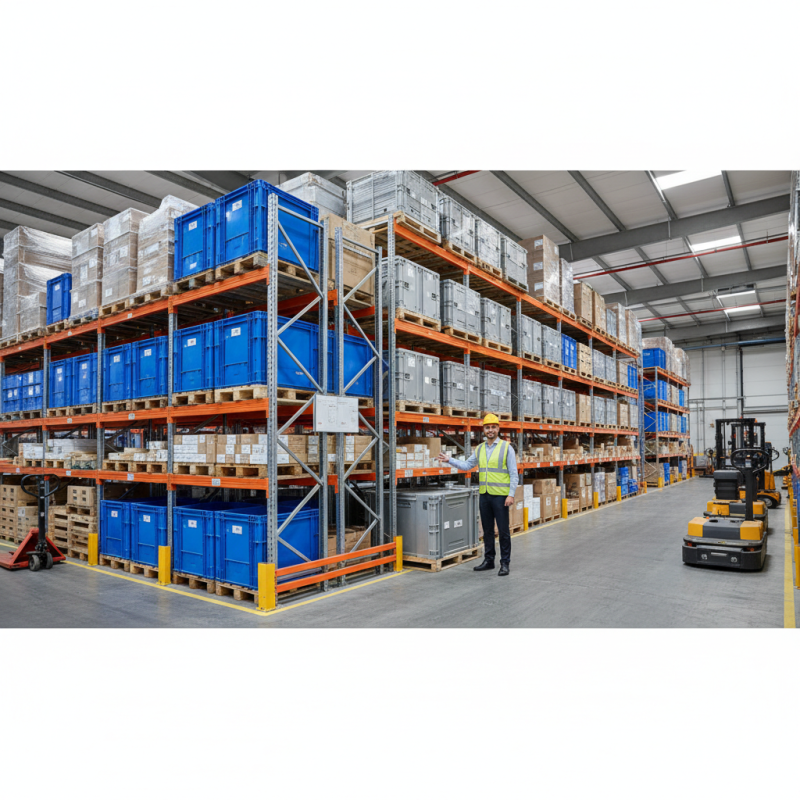
Durable storage solutions play a crucial role in logistics. They ensure that goods are safe during storage and transport. A sturdy storage system protects valuable assets from damage. Proper selection can enhance efficiency and cut costs. In an industry where time is money, every detail matters.
When choosing storage solutions, consider the materials used. High-quality materials resist wear, moisture, and dust. This choice can extend the life of your storage systems. Also, evaluate the size and design of the storage units. They need to fit your specific needs. Custom solutions might be ideal, allowing you to maximize space.
Tips: Assess your inventory regularly. This ensures your storage meets the changing demands. Avoid overloading storage units, as this can lead to damage. Consider employee safety when arranging storage stacks. A practical layout enhances workflow and minimizes risks. Always remember that what works today may not fit tomorrow's requirements. Regular reassessment is key for lasting effectiveness.
When choosing durable storage solutions for logistics, certain features are essential. First, consider the material. The right material should be weather-resistant and strong. Metal, hardwood, and high-density plastics are advisable. Each material offers unique benefits, such as resistance to rust or extreme temperatures.
Next, examine the design. Stackability allows for efficient use of space. Solutions with interlocking designs provide stability. Look for storage options that have a clear labeling system. This feature aids in inventory management and organization. Durability can vary, so check for shock and impact resistance. This is crucial for transport environments.
Also, consider accessibility. Solutions should allow easy access to contents. A well-thought-out design prevents frustration. In a bustling warehouse, even small design flaws can lead to inefficiency. Durability is vital, but usability is just as important. Balancing these aspects is more challenging than it seems. It requires reflection on your unique logistics needs.
This chart displays the durability ratings of the top 10 durable storage solutions for logistics. Each solution is rated on a scale from 1 to 10, indicating its robustness and suitability for long-term use in a logistics environment.
When choosing durable storage solutions for logistics, consider various needs. Different inventory types require specific materials. Heavy-duty shelving might suit bulky items. Smaller, lighter goods may benefit from stackable bins. Each option has its strengths.
Climate and environment matter. If your storage facility is subject to humidity, opt for moisture-resistant containers. This choice prolongs the lifespan of your products. Consider ease of access as well. Some solutions may look sturdy but can become cumbersome over time. Would they really facilitate efficient workflow?
Assess potential challenges. Are these solutions adaptable? Flexibility in storage options allows businesses to respond to changing demands. An effective system should be easy to modify. Regular assessments of your inventory and storage methods will help you adjust accordingly. It’s crucial to find what truly works for your logistics needs.
| Storage Solution | Material | Weight Capacity | Dimensions (L x W x H) | Ideal Use |
|---|---|---|---|---|
| Pallet Racks | Steel | 3000 kg | 240 x 100 x 200 cm | Warehouse storage |
| Shipping Containers | Metal | 20000 kg | 605 x 243 x 259 cm | Long-distance transport |
| Heavy-Duty Shelving | Steel | 500 kg per shelf | 90 x 45 x 180 cm | Retail storage |
| Stackable Bins | Plastic | 50 kg | 60 x 40 x 30 cm | Parts storage |
| Storage Lockers | Metal | 200 kg | 60 x 45 x 180 cm | Employee personal items |
| Cold Storage Units | Insulated metal | 1500 kg | 300 x 150 x 210 cm | Perishable goods |
| Automated Storage Systems | Mixed materials | 1000 kg per unit | Variable | High-demand operations |
| Cantilever Racks | Steel | 1000 kg per arm | Variable | Long items storage |
| Mobile Shelving Units | Metal | 600 kg per unit | 100 x 60 x 230 cm | Space-saving storage |
| Box Storage Systems | Plastic | 40 kg | 50 x 30 x 35 cm | Organizing small items |
When evaluating storage solutions for logistics, cost and longevity are crucial factors. Reports indicate that businesses often overlook the long-term costs associated with cheaper storage options. It’s common for logistics firms to focus solely on initial investment. However, a study by the Warehousing Education and Research Council highlights that the total cost of ownership can be significantly higher for low-quality storage solutions. These options may require more frequent replacements, which can escalate expenses over time.
Durability is vital in the logistics industry. Reliable storage can reduce the risk of damage to goods and minimize disruption. According to a 2021 survey by Logistics Management, 70% of supply chain professionals prioritize longevity over cost. Choosing materials and designs that withstand wear and tear is essential. Factors like weather resistance and structural integrity play a role in decision-making. Keeping these elements in mind can lead to wiser investments that save money over time.
Additionally, many companies fail to assess the true impact of storage solutions on operational efficiency. There are instances where the cheapest option resulted in lost productivity. Logistics teams often face challenges due to inadequate storage, leading to delays and unhappy customers. Identifying storage solutions that blend cost-effectiveness with durability is key to optimizing logistics operations. Quality often trumps quantity when it comes to storage; it’s a lesson that many professionals are still learning.
Choosing the right storage solution for logistics is crucial. It impacts efficiency and cost-effectiveness. Start by assessing your specific needs. Consider the types of goods you handle. Different materials and sizes require varied storage systems. Certain products are sensitive to temperature and humidity. Their storage needs must be prioritized.
Evaluate the durability of potential storage solutions. Strong materials can withstand heavy usage. Check load capacities. A solution that looks sturdy may not meet your real requirements. Look for practical design features. Adjustable shelves or modular components can enhance flexibility. This adaptability can support changing inventory needs, saving costs over time.
Think about accessibility as well. Your team needs to retrieve items quickly. Consider the layout of your storage area. Ease of access can reduce downtime and improve workflow. Analyze safety features, too. Well-designed solutions minimize risks in a busy environment. Reflect on these factors as you explore options. Not every solution will fit every operation perfectly. It's vital to find a balance between durability and practicality.
: Look for weather-resistant and strong materials like metal, hardwood, and high-density plastics. Each has unique benefits.
A good design enhances efficiency. Stackability and interlocking features provide better stability and space utilization.
Implement storage solutions with clear labeling systems. This aids organization and easy tracking of items in storage.
Evaluate your needs based on the types of goods you manage. Consider temperature and humidity sensitivity during assessment.
Accessibility is crucial for quick item retrieval. Poor design can cause frustration and reduce efficiency in busy environments.
Durability is vital for longevity. However, don't overlook usability. Balance between the two can be challenging yet necessary.
Look for adjustable shelves or modular components. This adaptability allows you to meet changing inventory demands effectively.
Evaluate designs that minimize risks in high-traffic areas. Well-designed solutions can enhance workplace safety significantly.
Check load capacities and practical design features. A seemingly sturdy option may not always fulfill the requirements.
Yes, not every solution is ideal for every operation. Finding the right balance requires careful consideration of durability and practicality.
The article titled "Top 10 Durable Storage Solutions for Logistics: How to Choose?" highlights the critical role that durable storage solutions play in the logistics industry. It emphasizes the importance of selecting the right type of storage to ensure efficiency and safety in operations. Key features such as material durability, load capacity, and adaptability to different environments are discussed, guiding readers on how to choose durable storage solutions for logistics.
Moreover, the article presents a curated list of the top 10 storage solutions tailored to meet various logistics needs, while also addressing the balance between cost and longevity. Practical tips for evaluating and selecting the most suitable storage solutions for specific logistics operations are provided, equipping logistics professionals with the knowledge to make informed decisions in their storage strategy.

TKS Logistics