In today's fast-paced economy, efficient management of warehouse space is essential. Multi-purpose warehouses face unique challenges. They must accommodate various products while optimizing storage capabilities. This dynamic environment requires innovative and flexible storage solutions that can adapt to changing inventory needs.
Storage Solutions for Multi-Purpose Warehouses offer a range of options. These solutions enhance organization and accessibility. For instance, modular shelving systems can maximize vertical space. Similarly, mobile racks can be adjusted easily as inventory fluctuates. However, many warehouse managers often overlook the importance of tailored solutions. They may invest in generic systems that fail to meet specific requirements.
Understanding the specific needs of your warehouse is crucial. Every square foot counts, and poor planning can lead to inefficiencies. It's vital to continually assess and refine storage strategies. This ensures your warehouse can effectively support business operations. In the end, the right storage solutions make a significant difference. They boost productivity and streamline workflows, leading to a more successful warehouse operation.
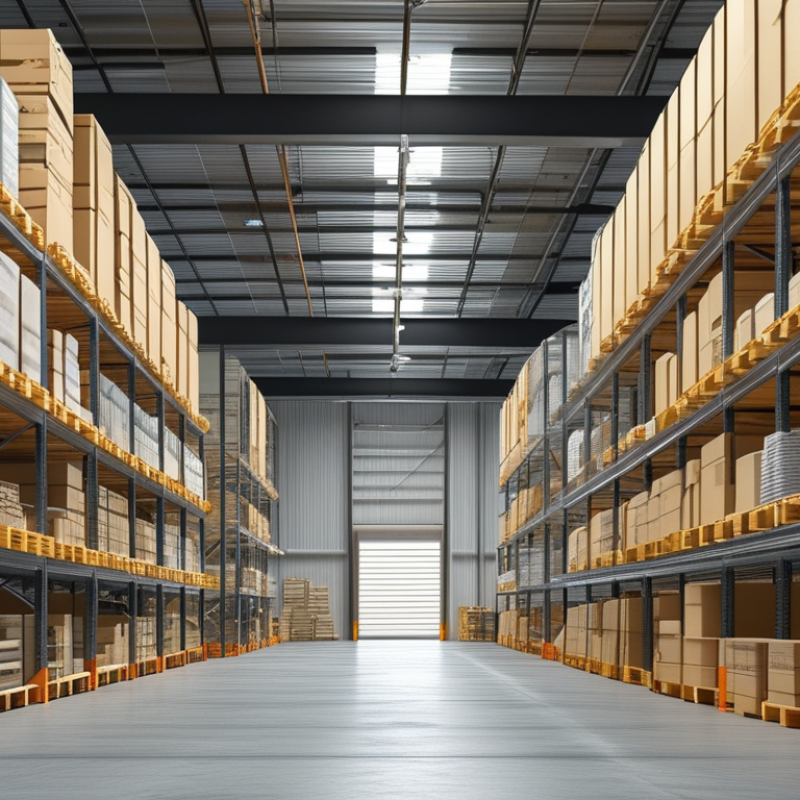
Multi-purpose warehouses serve diverse functions. They need flexible storage solutions to accommodate various products. Research indicates that over 70% of warehouse managers prioritize adaptability in their storage systems. High-density shelving is effective for maximizing space use. It allows easy access while minimizing floor space consumption.
According to industry data, more than 60% of warehouses report challenges with inventory tracking. Implementing advanced technology, like RFID systems, can enhance accuracy and efficiency. Employing mobile racks can also help. These units are versatile and can be moved as inventory changes.
Space planning is critical. As inventory fluctuations occur, storage must adapt. Layouts should facilitate easy movement and access. Effective storage not only saves space but also optimizes labor productivity. Investing in modular container systems may provide the flexibility needed for evolving business models. Such strategies reflect a commitment to continuous improvement in storage solutions.
When choosing storage solutions for multi-purpose warehouses, key factors come into play. The layout of your warehouse affects efficiency. Ensure that the design allows for easy access to various products. Think about the flow of materials. A well-planned layout minimizes movement, saving time and cost.
Consider the types of goods stored. Identify whether they require climate control, heavy shelving, or pallet racking systems. Flexibility is essential. With changing inventory needs, storage solutions should adapt easily. Remember that safety plays a crucial role as well. Ensure that all storage options comply with safety regulations to prevent accidents.
Evaluate the durability of the materials used in storage systems. Durable options reduce the need for frequent replacements. This can be an overlooked area that impacts long-term costs. Also, think about the technology you may incorporate. Automated systems can optimize space usage but come with higher upfront costs. Balancing technology with budget constraints is vital.
In the dynamic landscape of multi-purpose warehouses, innovative storage solutions are paramount. According to a recent report by the Warehousing Association, the optimization of warehouse space can lead to a 30% increase in efficiency. This statistic emphasizes the essential need for strategic layout planning and system choices. Using vertical storage units is a game-changer. These units capitalize on vertical space, accommodating diverse items while minimizing floor area.
Implementing mobile shelving systems can also enhance space utilization. These systems enable aisles to be adjusted based on need, maximizing storage density. A study noted that such setups could reduce retrieval times by up to 40%. However, the changeover requires planning. It might not suit every warehouse layout. Adapting to new systems may present challenges, such as training staff and integrating technology.
Automation, too, plays a vital role. Automated Guided Vehicles (AGVs) can streamline movement in large warehouses. A report indicates that using AGVs contributes to a 20% reduction in labor costs. However, reliance on technology raises concerns about maintenance and downtime. Regular assessments and updates are key to ensuring reliability and efficiency. Each solution presents its own complexities, illustrating the importance of continuous evaluation in storage strategy.
When managing a multi-purpose warehouse, choosing the right storage solution is crucial for cost efficiency. Traditional shelving systems can be affordable but may not maximize space. On the other hand, automated storage systems are excellent for efficiency but can require significant upfront investment. It's essential to weigh these factors based on specific needs.
Cost isn’t the only concern. Efficiency plays a vital role as well. Systems that offer optimized space usage can significantly impact productivity. Locations with limited vertical space might benefit from vertical lift modules or pallet racking. However, some solutions may lead to congestion and slow retrieval times. Regular analysis and adjustments may be needed to adapt to changing inventory levels.
Moreover, many warehouses struggle to find a balance between cost and operational efficiency. It is a common oversight to invest in a solution without considering long-term usage. Detailed monitoring can reveal inefficiencies in both labor and space. Reflecting on these aspects will help refine the choice of storage systems, resulting in a more effective warehouse operation.
| Storage Solution | Cost (per sq ft) | Efficiency Rating (1-10) | Space Utilization (%) | Ease of Access (1-10) |
|---|---|---|---|---|
| Pallet Racking | $15 | 8 | 80% | 7 |
| Mobile Shelving | $20 | 9 | 85% | 6 |
| Cantilever Racking | $18 | 8 | 75% | 7 |
| Drive-In Racking | $25 | 7 | 90% | 5 |
| Stackable Containers | $10 | 6 | 70% | 8 |
| Flow Racking | $30 | 9 | 95% | 4 |
| Vertical Lift Modules | $35 | 10 | 85% | 3 |
| Self-Storage Units | $12 | 7 | 60% | 9 |
| Drawer Cabinets | $22 | 8 | 78% | 6 |
| Modular Shelving | $16 | 7 | 76% | 8 |
| Cantilever Storage Systems | $28 | 9 | 82% | 5 |
The future of storage solutions for versatile warehouses focuses on flexibility and efficiency. As businesses grow, they require adaptable storage to meet changing demands. Innovative designs are emerging, such as modular shelving and mobile racking systems. These solutions maximize space while allowing easy access to goods.
Another important trend is automation. Automated storage and retrieval systems are becoming more common. They reduce human error and speed up operations. Warehouses are increasingly integrating technology like smart sensors and inventory management software. This helps track stock levels in real-time, minimizing overstocking or stockouts.
However, the reliance on automation raises challenges. Not all warehouses can adapt to these advanced systems. Small businesses may face high initial costs. There is also a learning curve in adopting new technology. It's essential to consider these factors before implementing new storage solutions. Embracing change is necessary, but it's equally crucial to evaluate its impact on operations.
: Multi-purpose warehouses serve diverse functions and require flexible storage solutions for various products.
Over 70% of warehouse managers prioritize adaptability to handle fluctuations in inventory and changing demands.
High-density shelving maximizes space use while allowing easy access and minimizing floor space consumption.
Implementing RFID systems enhances accuracy, while mobile racks offer versatility and can be adjusted as inventory changes.
Space planning ensures storage adapts to inventory fluctuations, facilitating easier movement and optimizing labor productivity.
Future trends include modular shelving, mobile racking systems, and increased automation for efficiency and space utilization.
Small businesses may face high costs and a learning curve, making adaptation to advanced systems difficult.
Reliance on advanced technologies varies by business size, impacting the feasibility of implementing new systems.
Modular systems provide flexibility in evolving business models, reflecting a commitment to improving storage solutions.
Evaluating the impact on operations is crucial before embracing change and implementing new technology in warehouses.
In the realm of logistics and distribution, multi-purpose warehouses play a crucial role in accommodating diverse storage requirements. To optimize efficiency and utility, it is imperative to select appropriate Storage Solutions for Multi-Purpose Warehouses. Key factors to consider include space utilization, accessibility, and scalability. Innovative solutions such as modular shelving, automated storage systems, and flexible racking can significantly enhance organizational capabilities and productivity.
A comparative analysis of these storage solutions reveals varying costs and efficiency levels, guiding warehouse managers in making informed decisions. As the industry evolves, future trends indicate a growing emphasis on smart technologies and sustainability, which promise to reshape the landscape of storage practices. Adopting the right storage solutions will not only meet the current demands but will also prepare multi-purpose warehouses for the challenges ahead.

TKS Logistics