Choosing the right industrial storage system can significantly impact efficiency and productivity. According to John Smith, an expert in logistics solutions, "Understanding how to choose storage systems for industrial use is critical for optimizing space." His insights underline the importance of thoughtful selection, as the wrong system can lead to clutter and chaos.
Industrial storage comes in various forms, from pallet racks to shelving units. Each option serves a specific purpose and can either streamline operations or hinder workflow. When contemplating how to choose storage systems for industrial use, one must consider the space layout, weight capacity, and accessibility. Misjudging these factors could result in frustration and inefficiency.
It’s also essential to involve your team in the decision-making process. Their feedback can provide practical insights that experts may overlook. While many options are available, not every solution is suited for every environment. Therefore, careful evaluation and willing to adapt your approach are crucial. Embracing this complexity will lead to better outcomes in storage solutions.
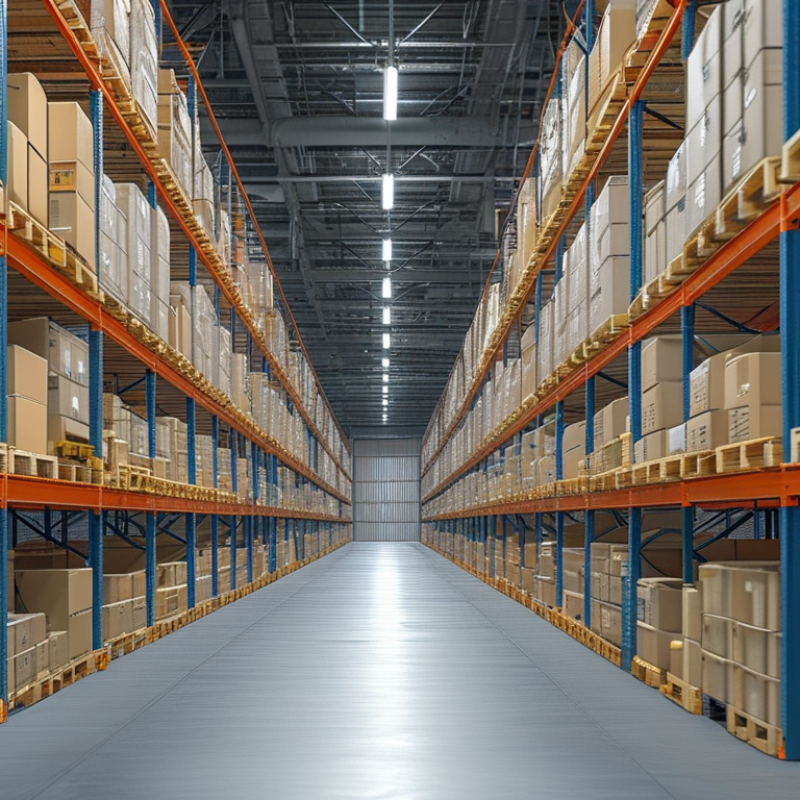
When selecting industrial storage systems, understanding the various types is crucial. There are several common systems used across industries today. These include pallet racks, shelving units, mezzanines, and automated storage and retrieval systems (AS/RS). Each type serves specific needs, from maximizing floor space to improving inventory management.
According to a report by the Material Handling Industry of America, the use of pallet racks can increase storage efficiency by up to 75%. This increased capacity can make a significant difference in operations. Shelving units, though simple, provide flexibility for assorted items, allowing for easy access. In contrast, AS/RS can boost picking speeds, reducing labor costs and minimizing errors.
However, different systems come with their own challenges. For instance, while Mezzanines add vertical storage space, they require careful planning to maintain safety standards. Additionally, automated systems may need significant upfront investment and require ongoing maintenance. It's essential to assess operational needs, available space, and budget before making a decision. Balancing these factors can lead to a more effective storage solution.
Assessing your storage space requirements
is crucial for achieving optimal efficiency in an industrial setting. Start by measuring your available space accurately. This includes height, width, and depth.
Consider current and future needs. A growing business may require expandable systems. Space flexibility is
often overlooked but essential for long-term planning.
Evaluate the type of items you will store. Heavy machinery requires robust shelving. Smaller items might fit within compact storage units.
Think about accessibility too. Systems should allow easy retrieval and organization. A cluttered space leads to inefficiency and chaos.
Regular reviews of storage usage can reveal better configurations.
In addition to physical space, consider the flow of operations. Storage systems should not disrupt workflow but enhance it.
Analyze how items move in and out. Design your storage layout around these movements. This pragmatic approach can help identify potential bottlenecks.
Reflecting on how these elements align can lead to better productivity.
When evaluating industrial storage systems, the load capacity is critical. Each storage solution has a specific weight limit. Understanding this limit ensures safety and efficiency. Always check if the system can handle the weight of your items. Overloading can lead to accidents and damage.
A thorough assessment includes considering the materials of the storage system. Different materials have different strength characteristics. Steel shelves may support more weight than plastic ones. However, the initial cost might be higher. Reflecting on budget versus durability can reshape your purchasing choices.
The layout of your storage space also matters. An efficient arrangement maximizes weight distribution. If items are not evenly distributed, you risk exceeding weight limits in certain areas. Regular inspections can catch potential issues before they escalate. Keeping an eye on wear and tear is vital for safety. Recognizing these details can lead to smarter sourcing decisions in the long run.
| Tip Number | Tip Description | Load Capacity (lbs) | Weight Limitations (lbs) |
|---|---|---|---|
| 1 | Assess the volume of goods you need to store. | 3000 | 2800 |
| 2 | Consider the type of items requiring storage. | 2000 | 1800 |
| 3 | Evaluate the size and dimensions of storage units. | 5000 | 4500 |
| 4 | Account for future storage needs and expansion. | 7500 | 7000 |
| 5 | Ensure accessibility for loading and unloading. | 4000 | 3600 |
| 6 | Select durable materials that suit your environment. | 3500 | 3200 |
| 7 | Check for safety compliance and standards. | 6000 | 5500 |
| 8 | Inquire about the warranty and support services. | 7200 | 6800 |
| 9 | Visualize the layout for best use of space. | 4800 | 4500 |
| 10 | Consult with experts for tailored recommendations. | 8500 | 8000 |
When designing industrial storage systems, accessibility and workflow efficiency are critical factors. A study by the Warehouse Education and Research Council shows that a well-organized warehouse can improve picking efficiency by up to 25%. This is vital as efficient access to items reduces time wasted and increases productivity.
Creating clear pathways is essential. Employees should easily navigate the space. Safety and efficiency can suffer if routes are obstructed. The National Institute for Occupational Safety and Health suggests that poor design can lead to increased injury rates. Therefore, prioritize open layouts and well-marked storage areas.
It's vital to evaluate how employees interact with storage. Some systems may appear efficient on paper but may not reflect real-world obstacles. Employee feedback can highlight unaddressed issues. When choosing systems, ensure they accommodate the flow of movement. Technologies like automated retrieval systems offer great solutions but require thoughtful integration into existing workflows. Balancing innovation with practicality often leads to the best results.
When budgeting for industrial storage systems, cost-effectiveness is key. According to a report by Technavio, the global industrial storage market is projected to grow by 5% annually, indicating a rising interest in effective storage solutions. Companies often overlook maintenance costs, which can mitigate initial savings. Equipment durability directly impacts long-term investment; a storage system may seem cheaper upfront, but frequent replacements can lead to higher costs.
Consider the space efficiency of storage systems. A study from the Material Handling Industry of America shows that optimized storage can enhance space utilization by 30%. While upfront costs might be higher for innovative systems, the savings on real estate can justify the investment. Evaluate not only purchase price but also potential operational efficiencies.
Think about scalability. As businesses grow, their storage needs evolve. Implementing a flexible storage design can future-proof your investment. However, many companies fail to account for this adaptability during budget planning. This oversight can lead to additional expenditures in the long run, making it crucial to weigh both current needs and future expansion.
: It ensures optimal efficiency in an industrial setting, allowing for effective utilization of available space.
Measure height, width, and depth accurately. This will help you understand the space limitations.
Think about potential growth. Expanding systems can accommodate a growing business's storage requirements.
A cluttered space leads to chaos and inefficiency. Regular reviews help identify better configurations.
Efficient access to items reduces time wasted and boosts productivity. Employees must navigate easily without obstruction.
Feedback highlights real-world obstacles that may not be visible on paper, allowing for necessary adjustments.
Poor design can lead to safety hazards and inefficiency. Open layouts and clear pathways are essential.
Systems should enhance workflow and not create bottlenecks. Analyze item movement for better layout design.
Technologies like automated retrieval systems can improve efficiency but require careful integration into existing workflows.
Space flexibility is often neglected. It’s crucial for adapting to changing business needs.
When considering how to choose storage systems for industrial use, it's essential to understand the range of available solutions and their suitability for your specific needs. Begin by assessing the different types of industrial storage systems, ensuring they align with your operational requirements. Evaluate your storage space to maximize efficiency, keeping in mind the layout and flow of your workflow.
Furthermore, it’s crucial to consider the load capacity and weight limitations of each storage option to avoid any safety hazards. Accessibility should also be prioritized, as it can greatly influence daily operations. Finally, plan your budget thoughtfully to ensure the investment is cost-effective and sustainable in the long run. By following these guidelines, you can select storage systems that enhance productivity and meet industrial demands effectively.

TKS Logistics