In today's fast-paced warehouse environments, safety remains a top priority. Adhering to "Warehouse Safety Guidelines For Material Handling" is essential to protect employees and improve operational efficiency. According to the Occupational Safety and Health Administration (OSHA), over 100,000 warehouse injuries occur annually, highlighting the pressing need for robust safety measures.
Implementing effective safety protocols can significantly reduce risks. For instance, the National Safety Council reported that proper equipment training can decrease accidents by up to 30%. However, many warehouses still overlook basic practices, leading to increased injuries and fatalities. It is crucial for management to continuously evaluate their material handling processes and adjust safety guidelines accordingly.
Despite advancements in technology and training, some warehouses still struggle with compliance. Statistics reveal that nearly 25% of facilities fail to meet safety standards. This gap calls for ongoing education and commitment to best practices in warehouse safety. By emphasizing the importance of "Warehouse Safety Guidelines For Material Handling," organizations can foster a culture of safety that protects workers while enhancing productivity.
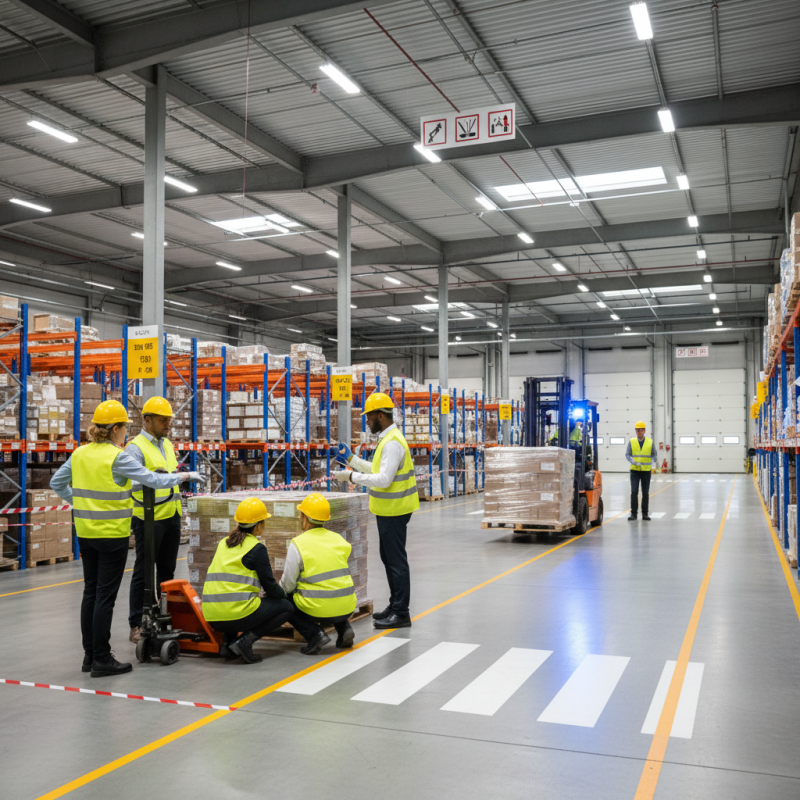
Warehouse safety plays a crucial role in material handling. Proper safety guidelines can help reduce accidents and improve efficiency. Employees should be trained on safe lifting techniques. They must understand how to use equipment properly. Clear communication is key in areas where heavy items are moved.
In addition to training, regular inspections are important. Check that aisles are clear and that lighting is adequate. Poor visibility increases risks of collisions. Ensure that pallets and shelving units are stable. A small oversight, like a loose pallet, can lead to significant injuries.
Creating a safety culture is essential. Workers should feel comfortable reporting unsafe conditions. Always encourage feedback about potential hazards. Sometimes, workers have valuable insights. Address these concerns promptly to foster trust. It's a continuous journey to enhance safety, not a one-time effort. The goal is to create an environment where everyone feels secure while working.
In today's warehouses, ensuring safe material handling is a priority. Essential equipment plays a crucial role in promoting a safe environment. Forklifts, pallet jacks, and conveyors are commonly used tools. Each of these pieces of equipment must be regularly inspected and maintained to prevent accidents. Faulty equipment can lead to serious injuries, so workers need to be trained in its proper use.
Ergonomics also matter in material handling. Equipment like adjustable workstations and lifting aids can minimize strain. Workers should be encouraged to use tools designed to reduce the risk of injury. Awareness about safe lifting techniques is vital. Getting it wrong can result in long-term health issues.
However, not all warehouses prioritize these safety measures. Some facilities may overlook training or equipment checks. This negligence can create a hazardous workplace. Regular audits and feedback loops can help identify areas needing improvement. Engaging workers in discussions about safety can highlight overlooked aspects in everyday operations.
In the realm of warehousing, fostering a culture of safety is essential. According to the Occupational Safety and Health Administration (OSHA), training can reduce workplace injuries by up to 30%. This statistic underscores the importance of continuous education in equipment handling and protocols. Employees equipped with knowledge are more aware of hazards around them. They become proactive rather than reactive.
To cultivate this safety culture, organizations should implement regular training sessions. These can include role-playing scenarios to address real-world challenges. Practical drills enhance muscle memory, which is crucial during emergencies. Incorporating technology, such as virtual reality, can also provide immersive training experiences. Such advanced methods not only engage employees but ensure they grasp safety procedures effectively.
Tips for building a safety culture include establishing clear communication channels. Encourage team members to voice concerns without fear. Conduct anonymous surveys to gather feedback on safety practices. Regularly assess and update training materials based on employee input and incident reports. By prioritizing training and education, organizations can significantly empower their workforce, emphasizing that safety is everyone's responsibility.
Organizing warehouse materials efficiently is crucial for safety and productivity. According to a report by the National Safety Council, poorly organized warehouses can lead to a 25% increase in accidents. Proper storage systems, such as shelving units and pallets, reduce risks and improve accessibility. It's vital to consider the weight and size of products when selecting storage options.
Labeling is another essential practice. Clear labels help workers quickly find and return items. A study by the Occupational Safety and Health Administration highlighted that misplaced items contribute to 15% of workplace injuries. Regular audits of inventory can prevent accidents and streamline operations. Ensuring pathways are clear is also necessary; cluttered aisles can cause trips and falls.
Temperature control is often overlooked. Items stored in extreme conditions can be damaged, impacting overall efficiency. A report from the Warehousing Education and Research Council noted that optimizing temperature can extend the lifespan of materials and reduce costly replacements. These best practices require ongoing evaluation. Regular training and feedback from staff can create a safer and more effective environment.
In warehouse operations, effective emergency protocols are crucial for ensuring safety. Detailed action plans can save lives and prevent injuries during unexpected events. Start by training all employees in emergency response. Regular drills help everyone understand their roles. Familiarity with protocols can reduce panic during real emergencies.
Safety checks are equally important. Conduct daily inspections of equipment and pathways. Look for hazards like spills or obstructions. Implement a system for reporting issues. This encourages a culture of safety and accountability.
**Tips:** Maintain clear signage throughout the warehouse. Use bright colors to highlight emergency exits. Encourage open communication about safety concerns. Creating a supportive environment fosters vigilance among team members. Regularly review and update safety protocols to reflect changes in operations. Reflecting on past incidents can help improve safety measures further.
| Guideline | Description | Emergency Protocol | Safety Check Frequency |
|---|---|---|---|
| Proper Load Handling | Ensure loads are balanced and within weight limits. | Report all spills and maintain clear access to exits. | Daily |
| Forklift Safety | Only trained personnel should operate forklifts. | Immediate stop and evacuation if overturn occurs. | Weekly |
| Personal Protective Equipment (PPE) | Ensure all employees wear appropriate PPE. | Conduct headcount during emergency evacuations. | Monthly |
| Clear Aisles and Exits | Keep pathways free of obstructions. | Use alarm systems for fire or other emergencies. | Daily |
| Regular Training | Conduct regular safety training sessions for all staff. | Implement drills for emergency scenarios. | Quarterly |
: Essential equipment like forklifts, pallet jacks, and conveyors are crucial for safety.
Regular inspections can prevent accidents and injuries caused by faulty equipment.
Using adjustable workstations and lifting aids can minimize strain on workers.
Neglecting safety can create hazardous work environments and lead to injuries.
Detailed action plans and regular drills prepare employees to respond effectively during emergencies.
Daily inspections of equipment and pathways should identify hazards like spills or obstructions.
Encouraging discussions about safety concerns fosters a supportive and vigilant workplace.
Training ensures everyone understands their roles during emergencies and reduces panic.
Reflecting on past incidents can lead to improved safety measures and protocols.
Regular reviews and updates should be conducted to adapt to changes in operations.
Warehouse Safety Guidelines For Material Handling are essential for ensuring the safety and efficiency of operations in a warehouse environment. Key principles emphasize the importance of proper equipment usage, such as forklifts and pallet jacks, accompanied by regular maintenance checks to prevent accidents. Training and education play a pivotal role in fostering a safety culture among employees, equipping them with the necessary skills to handle materials safely and respond to potential hazards effectively.
Additionally, implementing best practices for storing and organizing materials, such as maintaining clear walkways and properly labeling items, greatly enhances operational safety. Establishing emergency protocols and conducting routine safety checks are also crucial components of warehouse safety. By adhering to these guidelines, warehouses can minimize risks and create a safer working environment for all employees.

TKS Logistics