In the rapidly evolving logistics landscape of China, effective Warehouse Storage Solutions For Bulk Goods are crucial. The demand for efficient storage options is driven by increasing consumer expectations and the growth of e-commerce. Businesses are constantly seeking ways to optimize space and improve inventory management.
Choosing the right storage solutions can be challenging. There are various options available, each with its own advantages and limitations. Some businesses may rely on traditional shelving systems, while others may explore innovative technologies like automated storage. The key is to find what works best for the specific needs of each company.
While many solutions exist, it’s essential to reflect on their practicality and adaptability. Not every option will be suitable for all types of bulk goods. Businesses must evaluate the reliability and scalability of their chosen systems. This approach will ensure they remain competitive in a fast-paced market, ultimately enhancing their profitability and operational efficiency.
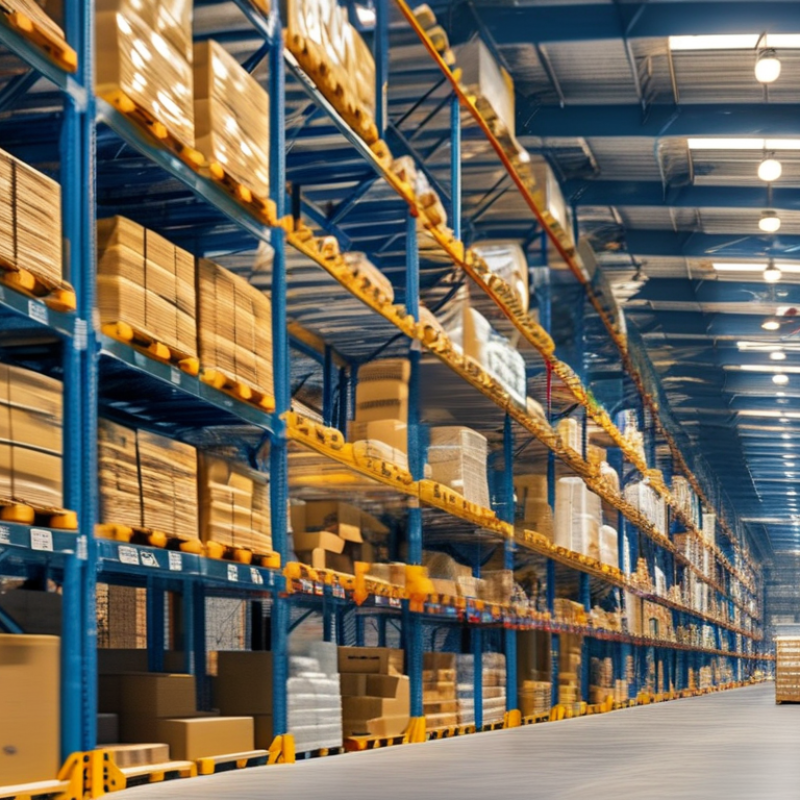
Efficient warehouse storage solutions are crucial for businesses handling bulk goods in China. With the rapid growth of e-commerce and logistics, companies must optimize their storage strategies. A well-organized warehouse can drastically reduce operational costs and improve service levels. For instance, utilizing vertical storage can maximize space. Pallet racks and shelving units offer various configurations, making it easier to access inventory.
However, not all storage solutions suit every business model. Companies must assess their unique needs. Some might require temperature-controlled areas for perishable items. Others may need flexible shelving to accommodate varying product sizes. Regularly reviewing storage strategies is vital. Relying solely on one approach could lead to inefficiencies. It's essential to remain open to new methods and technologies to stay competitive.
Incorporating smart technology can further enhance storage efficiency. Automated systems can streamline inventory management and reduce human error. Yet, the cost of implementation may pose a challenge for smaller operations. Careful planning and analysis are necessary to ensure these investments yield positive returns. Businesses should continuously seek feedback and adapt their strategies accordingly. This reflective approach fosters a culture of improvement and resilience in an ever-changing market.
Warehouses in China play a crucial role in storing various bulk goods. Common items include grains, chemicals, machinery parts, and consumer goods. Grains like rice and wheat require specific conditions. They need to be kept dry and cool to prevent spoilage. The layout of the warehouse is essential for effective grain storage. Proper ventilation and pest control are vital.
Chemicals, on the other hand, demand even stricter safety measures. They are often stored in specialized compartments to avoid contamination. The complexity of inventory management for chemicals poses challenges. Workers must adhere to safety protocols strictly. Machinery parts, typically heavy and bulky, necessitate robust shelving systems. Space-efficient storage solutions can enhance workflow.
Consumer goods stored in warehouses vary in size and weight. They include electronics, clothing, and food products. Efficient organization helps in quick retrieval. However, inaccuracies in inventory systems can lead to delays. Each type of bulk good requires tailored handling methods. Consideration of these factors can significantly influence the efficacy of warehouse operations in China.
Selecting the right warehouse storage solution for bulk goods in China involves careful consideration of various factors. One major factor is the type of goods being stored. Fragile items require different handling than heavy pallets. Efficient use of space is critical. Therefore, choose a layout that maximizes cubic storage while allowing easy access.
When evaluating storage systems, think about future scalability. As businesses grow, storage needs may change. Flexible solutions can adapt to increased inventory levels. It is crucial to assess whether the system can expand without significant additional costs. Durability is another consideration. Ensure the materials used are strong enough to withstand wear and tear over time.
Another essential point is the safety of the storage solution. High-density storage can save space, but it may pose risks such as fire hazards or equipment accessibility issues. Regular audits and employee training can enhance safety measures. Consider installing safety features like fire suppression systems. Good design can mitigate risks while optimizing space.
Sustainability also matters in warehouse operations. Eco-friendly storage options may be more appealing in today’s market. This could lead to lower operational costs in the long run. Always weigh the costs and benefits when choosing between innovative storage solutions and traditional methods. Measuring efficiency, safety, and scalability is vital to making an informed decision.
This chart illustrates the effectiveness of various warehouse storage solutions for bulk goods in China, showcasing their storage capacity and efficiency.
Warehouse storage solutions for bulk goods in China require careful consideration. Various options exist, each with its unique advantages. Drive-in racking systems offer dense storage space. These solutions allow for quick access to products. However, they may lead to difficulties in inventory tracking and management.
Another solution is pallet racking, which is highly versatile. It accommodates various products and offers good visibility. While it maximizes space efficiency, it can sometimes complicate reorganizing goods. Mobile shelving is another effective approach, providing flexibility to adjust storage layouts as needed. This option can also lead to underutilization if not properly managed.
Ultimately, the choice of storage solution should be based on specific needs. Factors include product types, turnover rates, and available space. Engaging with experienced professionals can help optimize storage setups. Balancing ease of access with efficient use of space remains a challenge. Regular assessments and adjustments to the system can enhance effectiveness over time.
| Storage Solution | Capacity (tons) | Material | Height (m) | Cost (USD) |
|---|---|---|---|---|
| Heavy-duty Pallet Racking | 200 | Steel | 6 | 3000 |
| Cantilever Racking | 150 | Steel | 7 | 2500 |
| Drive-in Racking | 100 | Steel | 5 | 4000 |
| Mobile Shelving | 75 | Steel | 3 | 2200 |
| Stackable Containers | 50 | Plastic | 2 | 1200 |
| Mezzanine Flooring | 180 | Steel | 4 | 5000 |
| Bin Storage Systems | 60 | Plastic | 2.5 | 1300 |
| Automated Storage and Retrieval Systems (AS/RS) | 500 | Mixed (Steel/Plastic) | 10 | 15000 |
| Flow Racking | 120 | Steel | 5.5 | 3500 |
| Pallet Flow Racking | 300 | Steel | 6.5 | 8000 |
When evaluating warehouse storage solutions in China for bulk goods, it’s essential to weigh their pros and cons effectively. One common choice is selective pallet racking. This system offers easy access to each pallet. However, it requires significant aisle space, which may limit storage capacity. In smaller facilities, this can be a drawback.
Another popular solution is drive-in racking. It maximizes space by allowing multiple pallets to be stored in a single lane. This method can improve storage efficiency. Nonetheless, the challenge lies in the complexity of inventory management, as accessing specific items may become cumbersome.
Vertical lift modules present an innovative option. These systems save floor space and provide quick retrieval. They are suitable for various climates in China. Yet, high initial costs can deter some businesses from adopting this technology. Balancing the trade-offs is crucial when selecting the right solution. Each storage method has its advantages and limitations, requiring a tailored approach to meet specific needs.
: Common items include grains, chemicals, machinery parts, and consumer goods.
They need dry, cool conditions. Proper ventilation is also essential.
Chemicals require specialized compartments to prevent contamination and strict adherence to safety protocols.
A good layout maximizes space efficiency and facilitates easy access.
Consider goods type, space efficiency, future scalability, and durability of materials.
Regular audits and employee training are essential. Installing safety features also helps.
They can complicate inventory tracking and management.
They are versatile and provide good visibility for various products.
It offers flexibility for adjusting layouts but can lead to underutilization if mismanaged.
Regular assessments and adjustments of storage systems can significantly improve efficiency.
Efficient Warehouse Storage Solutions for Bulk Goods are crucial for optimizing space and enhancing inventory management in China's bustling logistics sector. Recognizing the types of bulk goods commonly stored in warehouses, such as raw materials and finished products, helps businesses tailor their storage strategies effectively. When selecting the right solutions, key factors include space utilization, accessibility, safety, and cost-efficiency, which can significantly impact operational outcomes.
The article provides an overview of the top 10 Warehouse Storage Solutions for Bulk Goods, offering a comparative analysis of each option's pros and cons. By understanding these solutions, businesses can make informed decisions that not only improve storage efficiency but also support overall supply chain performance, ultimately leading to greater customer satisfaction and reduced operational costs.

TKS Logistics