Effective warehouse organization is crucial for enhancing productivity. According to expert James Hollis, "A well-structured warehouse can double output with minimal effort." His insights emphasize the importance of strategic organization.
Employing proper warehouse organization tips for better productivity can create a streamlined workflow. With items easily accessible, workers spend less time searching. This leads to quicker order fulfillment and improved customer satisfaction. However, many warehouses struggle with clutter and disorganization. It's vital to address these challenges head-on.
Optimizing space and implementing clear labeling systems are essential. Regular audits can help identify inefficiencies. Nevertheless, many organizations overlook the need for continuous improvement. Reflecting on current practices is necessary for lasting progress. Investing time in warehouse organization pays off significantly in productivity and morale.
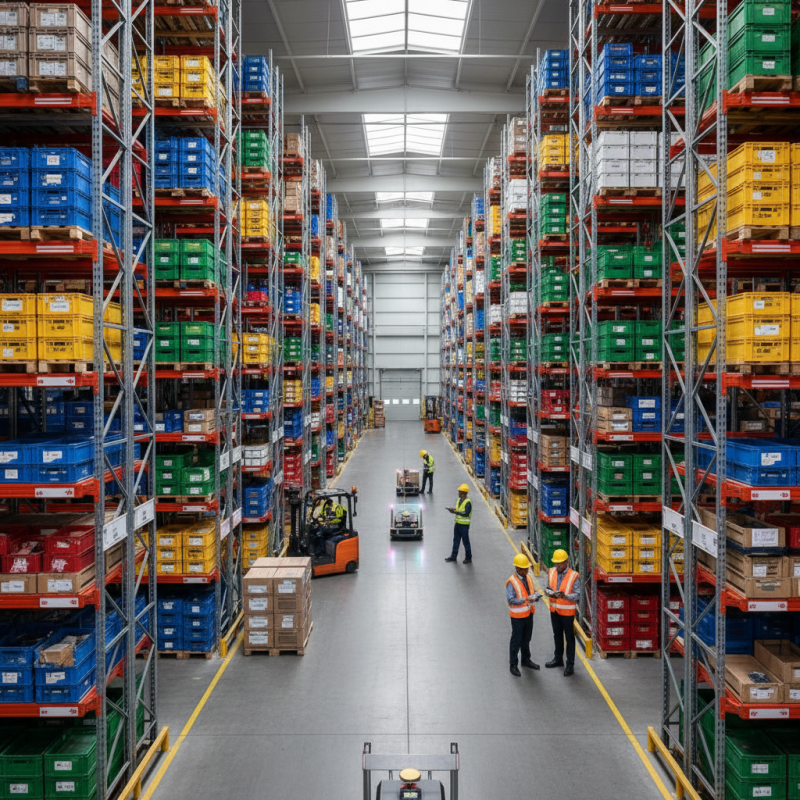
Effective warehouse organization plays a crucial role in supply chain efficiency. When a warehouse is well-organized, it reduces the time spent searching for items. Workers navigate the space easily, leading to quicker picking and packing processes. A clutter-free environment fosters productivity. Yet, many warehouses still struggle with disorganization.
Visual aids like labels and clearly marked pathways can significantly enhance efficiency. However, employees often overlook these tools. This oversight creates confusion and delays. Imagine a worker sifting through a chaotic shelf, wasting precious minutes. Each moment lost adds up, affecting overall output. Routine audits are essential, yet they are frequently neglected.
Incorporating advanced inventory systems can help streamline operations, but adoption can be slow. Some staff resist change, preferring old methods. This reluctance can hinder progress. Constant training and a culture of openness to new ideas are necessary. When staff engage with organization strategies, productivity increases. Only by examining and adjusting these practices can a warehouse truly optimize its potential.
An effective warehouse layout can transform operations. It centers on strategic organization. Begin with clear pathways. This ensures smooth movement and minimizes clutter. Arrange items based on their turnover rates. Fast-moving items should be easily accessible. Slower ones can be stored further away.
Consider the flow of goods. A well-planned layout directs the path from receiving to storage to shipping. Avoid cross-traffic to reduce confusion. Use designated areas for picking and packing. Employees can work faster without distractions. Visual cues can enhance navigation. Signage should be clear, but can often be overlooked.
The design should also include flexibility. Needs may change over time. Adjustable shelving or modular storage solutions can help. It’s important to review the layout regularly. Employee feedback can highlight inefficiencies. Small improvements can lead to significant gains in productivity. Embrace the imperfections and learn from the layout. It’s a continuous journey toward efficiency.
| Dimension | Description | Impact on Productivity | Best Practices |
|---|---|---|---|
| Layout Design | Arrangement of storage and work areas to optimize workflow. | Minimizes travel time and improves order picking. | Use flow charts for product movement; implement zone picking. |
| Storage Solutions | Types of shelving and racks used to hold products. | Maximizes storage space and accessibility. | Use vertical space; select appropriate shelving for product types. |
| Technology Integration | Use of software and equipment to streamline operations. | Enhances accuracy and speeds up processing time. | Implement warehouse management systems (WMS); use barcode scanners. |
| Safety Procedures | Protocols in place to prevent workplace accidents. | Reduces downtime due to injuries and improves morale. | Regular training; clear signage for hazards; maintain equipment. |
| Inventory Management | Monitoring and controlling inventory levels. | Prevents stockouts and overstock situations. | Use FIFO method; regular audits; accurate forecasting. |
Effective warehouse organization plays a crucial role in enhancing employee productivity. When a warehouse is well-structured, employees can find items quickly. This reduces time wasted on searching for products. A tidy space helps in maintaining focus too. Distractions are minimized when pathways and storage are clear.
Tips for improving warehouse organization include labeling shelves clearly. Clear labels help workers identify locations fast. Another suggestion is to implement a systematic inventory management system. This can track stock levels and prevent overstocking or stockouts. Regularly conducting audits also ensures everything is in order.
A common mistake is cluttering workspaces with unused items. This can lead to frustration for employees. It might be beneficial to schedule periodic clean-up sessions. By fostering a culture of organization, warehouses can truly boost productivity. However, remember that it's essential to involve employees in creating organizational systems. Their insights are valuable for making improvements.
Optimizing warehouse organization is crucial for improving productivity. Utilizing technological solutions can streamline processes significantly. Implementing advanced inventory management systems allows for real-time tracking. This helps in minimizing errors when finding items. As a result, workers spend less time searching for products.
Automated data collection tools are also beneficial. They reduce manual input and free up workers for more complex tasks. However, some teams may struggle with these new systems. Training is often overlooked, leading to frustration. There is a need to balance technology with human skills.
Despite these challenges, visual management tools can enhance clarity. Labeling shelves and using color codes aids in quick identification. It’s important to remember that technology should complement the workforce. Continuous feedback is key to achieving a successful balance.
An organized warehouse significantly enhances productivity. According to a study by the Warehousing Education and Research Council, an organized warehouse can increase efficiency by up to 25%. This improvement stems from streamlined processes and better space utilization. Implementing clear labeling systems and designated storage areas can reduce time spent searching for items.
Regular audits are crucial. Companies that schedule audits maintain higher organization levels. A report shows that 30% of warehouses lack proper inventory management. This misstep leads to delays and errors. Establish bulk storage areas for fast-moving items and ensure easy access. This not only saves time but also reduces the risk of accidents.
Invest in regular training for staff. Employees need to understand the importance of maintaining organization. A survey found that 60% of warehouse workers feel overwhelmed by cluttered spaces. Encourage a culture of tidiness; small changes can lead to big results. Reflect on current practices and adapt as necessary. Organization isn't just about neatness; it's about creating an environment where efficiency thrives.
: A well-organized warehouse allows employees to find items quickly. This reduces time wasted searching.
Labeling shelves clearly can help workers identify locations fast. Implementing a systematic inventory management system is also beneficial.
Regular audits ensure everything is in order and maintain higher organization levels. They help prevent delays and errors.
Cluttering workspaces with unused items can frustrate employees. It’s important to avoid letting clutter accumulate.
A tidy workspace minimizes distractions. Focus is enhanced when pathways and storage are clear.
Involve employees in creating organizational systems. Their insights are valuable and can lead to significant improvements.
Yes, regular training helps employees understand the importance of tidiness. This knowledge can create a more efficient workspace.
Designated storage areas for fast-moving items ensure easy access. This reduces the risk of accidents during operations.
Poor inventory management can lead to delays and stockouts. This negatively impacts overall productivity.
Periodic clean-up sessions should be organized to maintain a clutter-free environment. Consistency promotes a culture of organization.
Effective warehouse organization is crucial for enhancing supply chain efficiency and overall productivity. By implementing key principles of effective layout and design, businesses can streamline operations, reduce clutter, and optimize space utilization. This not only leads to faster order fulfillment but also improves employee satisfaction, as a well-organized environment fosters better workflow and reduces stress.
To further boost productivity, companies should adopt technological solutions that facilitate optimal warehouse organization and integrate best practices for maintaining an orderly environment. Implementing "Warehouse Organization Tips For Better Productivity," such as systematic labeling, regular audits, and employee training, can significantly impact operational efficiency. Ultimately, a strategic approach to warehouse organization can empower teams to work more effectively and drive business success.

TKS Logistics