Warehouse storage is changing as businesses face higher energy costs, tighter space, and growing environmental expectations. Warehouse Storage Sustainability Trends now influence facility design, equipment choices, daily routines, and long-term investment decisions.
A sustainable warehouse is not defined by one impressive technology. It may begin with LED lighting that responds to movement, insulated dock doors, or reusable containers replacing damaged cardboard. Solar panels can help, but they are not practical for every building. Location, roof condition, climate, budget, and operating hours all matter.
Small changes add up.
This guide explores ten practical trends and tips for reducing waste, energy use, and unnecessary handling. It considers warehouse automation, electric material-handling equipment, smart inventory systems, water efficiency, renewable energy, and circular packaging. Each topic connects environmental goals with measurable operational value, such as lower utility bills, fewer damaged products, and improved space utilization.
Real warehouse improvements rarely happen perfectly. A new system may consume more resources during installation. A sustainability target may also conflict with delivery speed or limited capital. Those trade-offs deserve honest review, not polished promises. Managers should record baseline energy use, packaging volume, equipment maintenance, and waste generation before changing procedures.
Reliable progress depends on evidence. Teams can compare monthly data, inspect high-use zones, and ask employees where avoidable waste occurs. Suppliers, engineers, and facility specialists can provide valuable guidance, but internal experience remains essential. The most effective approach is practical, measurable, and adaptable. It protects resources while keeping storage safe, efficient, and commercially realistic.
What Sustainable Warehouse Storage Means and Why It Matters
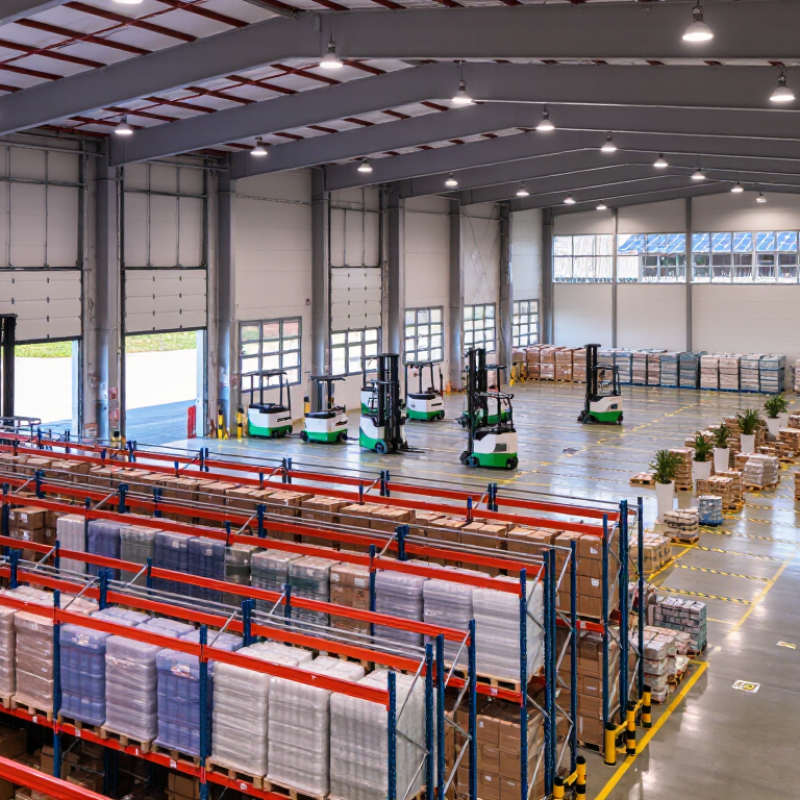
Sustainable warehouse storage means using space, materials, energy, and labor responsibly over time. It is more than installing efficient lights or recycling damaged cartons. A sustainable facility reduces waste while protecting inventory, workers, and operating budgets. It also considers how storage equipment is repaired, reused, relocated, and eventually recycled. Small changes matter.
A practical review starts with the storage layout. Empty vertical space may support taller, safer racking instead of expanding the building footprint. Clearly marked locations can reduce search time, vehicle movement, and unnecessary energy use. Reusable containers often replace single-use packaging for internal transfers. Motion sensors can limit lighting in quiet aisles.
Repairing a bent shelf is useful, but only after a qualified inspection confirms its safety. A quick fix is not a sustainable fix.
Managers should track storage density, electricity use, damaged goods, equipment life, and disposal volumes each month. These figures create evidence for investment decisions and reveal weak habits.
In one realistic improvement cycle, moving slow-moving stock closer to suitable access points can reduce travel without increasing handling risks. Yet storage density should not become the only goal.
Overcrowded aisles may increase damage, accidents, and picking errors. A perfectly green warehouse does not exist. Some sustainable choices also cost more initially, and their benefits may take years to appear. Honest reporting should include those limits, not hide them.
How to Measure Energy, Space, and Material Use in Storage Operations
Sustainable storage begins with measurement, not slogans.
Track electricity, floor area, and material use at the warehouse level each month. Record meter readings, operating hours, storage volume, and outbound order counts. Energy intensity can then be calculated as kilowatt-hours per pallet or order. This reveals costly patterns, such as lights running through empty aisles or charging equipment during quiet periods.
Space use needs a physical check.
Measure occupied locations, unused shelf height, travel distance, and the percentage of floor blocked by temporary stock. A simple heat map can expose slow-moving inventory occupying prime positions. Do not measure only total capacity. A warehouse may appear full while wasting valuable vertical space. Small changes in slotting can reduce travel and improve access.
Material tracking should include pallets, cartons, stretch film, labels, and damaged packaging.
Weigh weekly waste and compare it with shipped units. Our first records were inconsistent. Some teams counted damaged cartons, while others ignored them. That weakness matters. Clear definitions and repeated audits improve reliability. Use photos, meter logs, and signed inspection sheets to support the data. Review unusual results with operators, because spreadsheets rarely explain every broken pallet or half-empty carton. Progress is rarely perfect. That is useful. Mistakes show where the measurement system needs redesign.
Ways to Reduce Energy Consumption Across Warehouse Storage Systems
10 Warehouse Storage Sustainability Trends and Tips
Ways to Reduce Energy Consumption Across Warehouse Storage Systems
Warehouse storage efficiency starts with measurement, not guesswork. Install submeters for lighting, refrigeration, conveyors, and charging areas. Review readings during occupied and idle hours. A quiet night can reveal unexpected consumption.
Replace outdated lighting with efficient fixtures and occupancy controls. Keep aisles bright only when workers need them. Clean sensors regularly, because dust can trigger poor readings. Small leaks matter. Check dock seals, doors, and insulation during routine maintenance. Open doors can waste conditioned air within minutes.
Storage equipment also needs disciplined scheduling. Run conveyors in zones instead of powering the entire system continuously. Charge material-handling batteries during lower-demand periods when practical. Use preventive maintenance to protect motors, rollers, and fans from friction-related energy loss. It sounds basic, but neglected bearings often increase operating loads.
Temperature control requires restraint. Set realistic ranges for stored goods and monitor hot and cold spots with calibrated sensors. Avoid cooling empty sections unnecessarily. Solar panels or energy storage may help, but their value depends on roof condition, local weather, and actual demand. We once treated automation as an automatic energy solution; it was not. Poorly planned automation can add standby loads and maintenance needs. Compare measured savings after each change, and keep questioning results that look unusually perfect.
How to Choose Durable, Reusable, and Low-Impact Storage Equipment
Durable warehouse storage begins with the working environment, not the catalogue. Check load ratings, humidity, temperature swings, and forklift impact points. Choose repairable racks, reusable containers, and modular shelving with replaceable beams or panels. A scratched finish is manageable. A bent frame is not.
The Circularity Gap Report 2024 estimates that only 7.2% of global material use is circular. Reuse must become a purchasing requirement. Ask suppliers for recycled content, repair instructions, spare-part availability, and verified service life. Standardized components also reduce replacement waste. Keep an inventory of damaged parts. Small repairs often prevent full-unit disposal.
Material choices need evidence. The International Energy Agency reports that buildings consume about 30% of global final energy. Low-impact storage should therefore support efficient layouts, shorter travel paths, and safer manual handling. Prefer durable steel or recycled polymers when their production and transport impacts are documented. Avoid choosing recycled content alone. It can hide poor durability. I have seen “sustainable” containers fail under repeated stacking, creating more waste than expected. Trial equipment through a full operating cycle, including cleaning, movement, and seasonal loading. Record failures honestly. That data may challenge the original purchase decision.
Methods for Managing Waste, Safety, and Continuous Sustainability Improvements
Warehouse sustainability is now a daily management task, not a yearly project. Waste stations should separate cardboard, stretch film, damaged wood, and general refuse. Clear labels reduce sorting mistakes near busy loading doors. Reusable totes can replace many single-use cartons for internal transfers. Empty pallets should be inspected, repaired, and stored safely before reuse. A simple weekly waste log can reveal avoidable purchasing and packaging problems.
Safety supports sustainability because injuries, spills, and damaged stock create unnecessary waste. Keep pedestrian lanes visible, stack loads below marked limits, and remove broken pallets immediately. Short toolbox talks can connect safe handling with lower disposal costs. Track near misses, waste weight, energy use, and corrective actions in one review sheet. Numbers matter. However, measurements may be incomplete. Our first audit might miss waste hidden behind slow-moving inventory. Monthly floor walks and employee feedback help correct that blind spot. Small trials, such as adjusting collection points or reducing idle equipment time, should be documented and reviewed after several weeks. When a change fails, record why instead of hiding it. That honest record supports better decisions, safer work, and continuous sustainability improvements.
10 Warehouse Storage Sustainability Trends and Tips
Suggested 2030 implementation targets for reducing waste, improving safety, and building continuous sustainability improvements in warehouse operations.
The percentages represent practical planning targets: the share of relevant warehouse activities expected to follow each improvement practice. They can be adapted to local regulations, facility conditions, and internal audit results.
Conclusion
Warehouse Storage Sustainability Trends are reshaping how facilities manage space, energy, equipment, and materials. Sustainable warehouse storage means reducing environmental impact while maintaining safety, productivity, and cost control. Companies can begin by measuring electricity use, storage density, material consumption, waste generation, and equipment efficiency. These measurements help identify avoidable losses, improve space planning, and establish realistic sustainability targets.
Practical improvements include using energy-efficient lighting, optimizing heating and cooling, reducing unnecessary equipment movement, and applying smarter inventory and layout strategies. Storage systems should be selected for durability, repairability, reusability, and minimal material impact over their full life cycle. Effective waste separation, packaging reduction, safe handling procedures, and regular equipment inspections further support responsible operations. By reviewing performance data, training employees, and improving processes continuously, warehouses can lower resource consumption, strengthen workplace safety, and build a more resilient storage operation.
 TKS Logistics
