A well-maintained warehouse is crucial for efficient operations. According to the Warehouse Equipment Maintenance Report 2022, 30% of operational downtime is due to equipment failure. This significant statistic highlights the importance of a proactive approach to maintenance. Implementing a "Warehouse Equipment Maintenance Checklist" can drastically reduce these failures.
Expert John Smith, a leading authority in warehouse operations, states, "Regular checklists can save time and money while enhancing safety." His insights emphasize the value of consistent equipment evaluations. When businesses neglect maintenance, they face increased costs and safety risks. The lack of systematic checks can lead to severe accidents, proving that oversight can have dire consequences.
Incorporating a comprehensive maintenance checklist is integral to warehouse success. It ensures that equipment functions efficiently and safely. However, many warehouses still underestimate its importance. A detailed checklist not only helps in proper functioning but also fosters a culture of diligence and responsibility among staff.
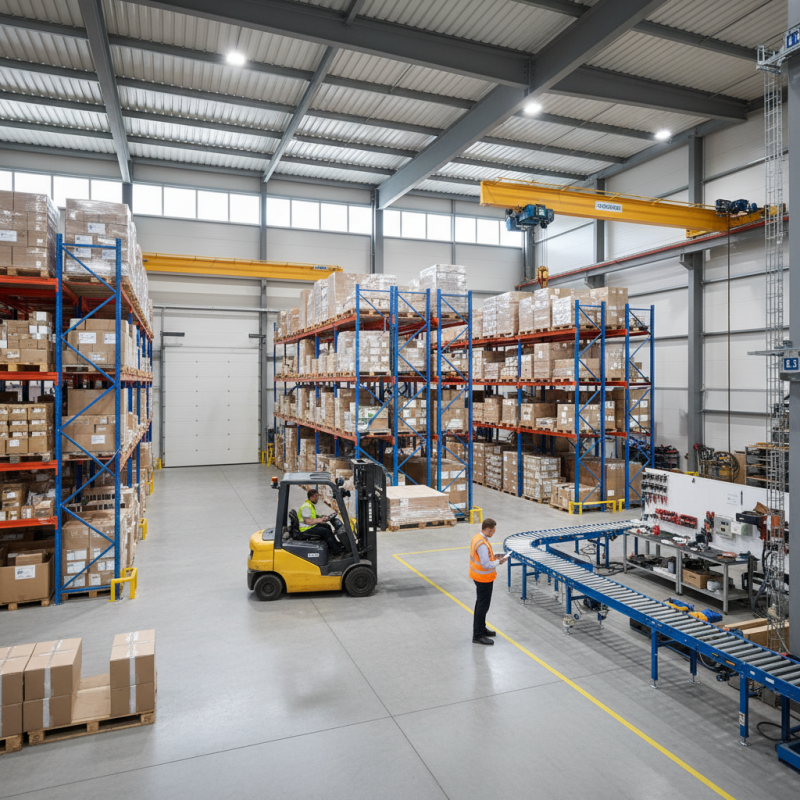
Regular maintenance of warehouse equipment is essential for operational efficiency. According to a report from the Material Handling Industry Association, unplanned downtime can cost businesses over $1 million annually. This highlights the significant financial implications of neglecting equipment upkeep. A simple checklist can help mitigate these risks.
Proper maintenance practices are proven to extend the life of equipment. The American Society of Mechanical Engineers indicates that well-maintained equipment lasts 20-30% longer than poorly maintained counterparts. Implementing a routine helps identify potential issues before they escalate. It can also reduce the likelihood of accidents, which are often exacerbated by faulty equipment.
Ignoring maintenance leads to avoidable expenses. Companies may delay equipment checks to save time. However, this short-term thinking creates long-term problems. Regular inspections and a solid maintenance schedule not only enhance safety but also improve productivity. An organized inventory of maintenance tasks can ensure that nothing is overlooked, fostering a proactive safety culture within the warehouse.
| Equipment Type | Maintenance Frequency | Common Checks | Importance |
|---|---|---|---|
| Forklift | Daily | Fluid Levels, Tire Condition, Brake Function | Ensures safety and operational efficiency |
| Conveyor System | Weekly | Belt Tension, Motor Function, Sensors | Reduces downtime and maintains workflow |
| Pallet Jack | Monthly | Wheels, Fork Condition, Hydraulic System | Prevents accidents and ensures proper lifting |
| Shelving Units | Quarterly | Stability Check, Load Capacity Assessment | Ensures structural integrity and safety |
| Sorting Systems | Biannually | Software Updates, Mechanical Tests | Improves accuracy and efficiency of sorting |
: It ensures operational efficiency and reduces equipment failure by up to 40%.
Regular lubrication is vital to keep equipment functioning optimally.
Over 30% of mechanical failures are linked to improper lubrication practices.
Aim for quarterly reviews to ensure equipment reliability and effective maintenance.
Staff should report any irregularities immediately to enhance equipment lifespan.
Update it based on equipment usage and performance changes regularly.
They can highlight patterns that might require deeper investigation for issues.
No, a once-a-year review might overlook important issues; quarterly checks are better.
Logging maintenance dates and tracking performance changes is essential.
Emphasizing the importance of regular reviews can cultivate a sense of ownership.
A Warehouse Equipment Maintenance Checklist is essential for ensuring the longevity and efficiency of your warehouse operations. Regular maintenance plays a crucial role in preventing equipment failures, minimizing downtime, and enhancing safety. Key components of an effective checklist include routine inspections, lubrication requirements, and compliance with safety standards, which help streamline the maintenance process.
Utilizing a Warehouse Equipment Maintenance Checklist not only boosts overall operational efficiency but also aids in identifying potential issues before they escalate into costly repairs. However, it's important to avoid common mistakes, such as overlooking minor equipment or failing to update the checklist regularly. Implementing a routine review process ensures that the checklist remains relevant and effective, ultimately leading to improved productivity and safety in the warehouse environment.

 TKS Logistics