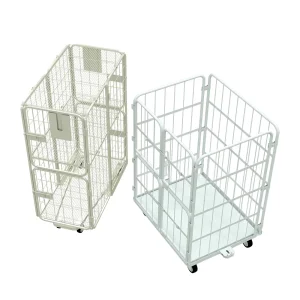
Explore our signature heavy-duty structural steel wire systems, stackable metal units, and high-density industrial storage configurations designed for modern supply chains.
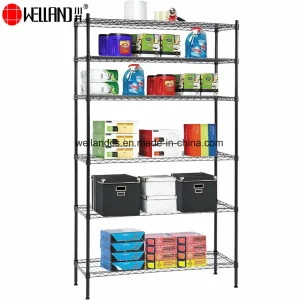
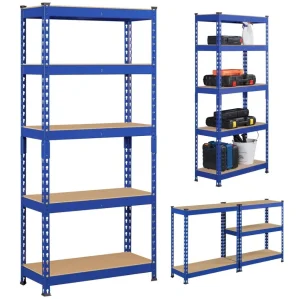
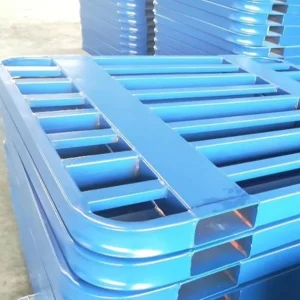
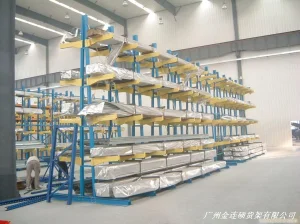
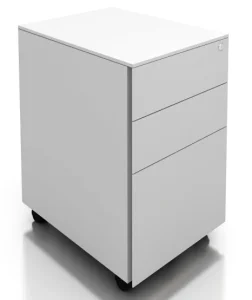

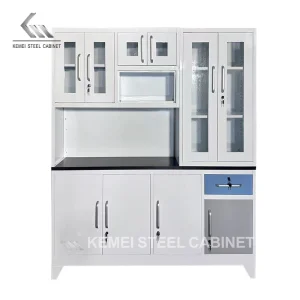
"In an era where cubic space efficiency corresponds directly to bottom-line profitability, structural integrity and engineering precision are non-negotiable."
This industry analysis focuses on the optimization strategies that top-tier exporters and suppliers deploy to address high-density storage challenges. Traditional storage setups struggle with load-bearing limits, rapid material degradation, and safety compliance concerns. Contemporary stacking pallets have evolved from static platforms into highly engineered systems.
By leveraging high-tensile steel, precise geometric designs, and automated fabrication, manufacturers like Shanghai TKS Logistics Technology Co., Ltd. are reshaping material handling safety and storage density. Global warehouse managers no longer view stackable units as simple commodities. Instead, they treat them as critical elements of supply chain automation, load-stabilization, and logistics optimization.
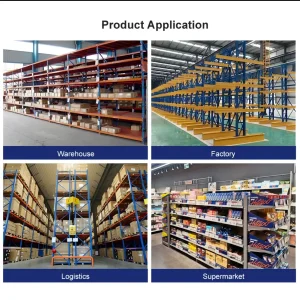
Convert unutilized overhead space into stable vertical storage cells with precise engineering.
Adjustable configurations that scale dynamically with seasonal shifts and stock changes.
Deep integration of technological innovation, robotic welding, and automated logistics infrastructure in Shanghai's industrial core.
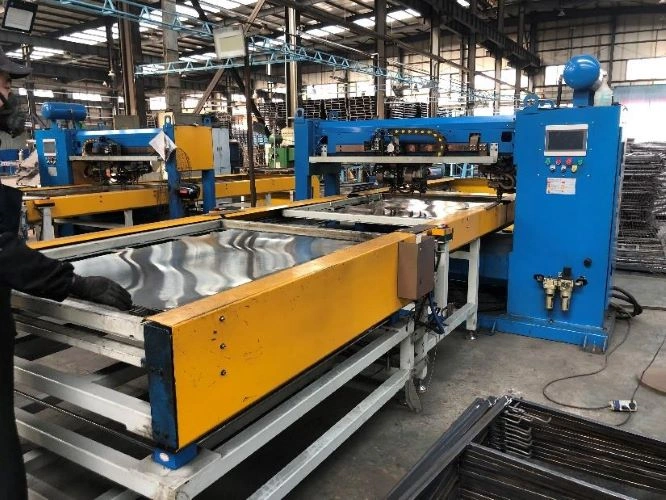
Chinese logistics equipment manufacturing has evolved beyond simple structural replication. With Shanghai TKS Logistics Technology Co., Ltd. at the forefront, the current manufacturing standard implements Factory 4.0 practices. This involves stamping, drawing, high-tolerance resistance welding, and complex wire-cutting techniques.
These fabrication approaches help control deflection rates, yield strength parameters, and structural lifespan under high dynamic loads. By applying localized thermal treatment and robotic welding, manufacturers minimize fatigue failures at load-bearing joints. This ensures stable structural performance over years of operation in demanding conditions.
| Engineering Attribute | Traditional Manufacturing | TKS Factory 4.0 Standards |
|---|---|---|
| Welding Structural Precision | Manual GMAW (Varied penetration) | Automated Robotic Resistance Welding |
| Deflection Rate Compliance | L/100 to L/150 under max load | Strict < L/240 standard limits |
| Anti-Corrosion Surface Finish | Basic Spray Paint | Heavy zinc coating / Industrial powder coating |
Tailored logistics engineering for cold chain operations, automotive parts, agricultural transport, and automated storage and retrieval systems (AS/RS).
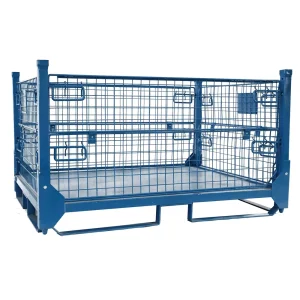
Heavy-duty steel packaging and modular stillage containers protect high-value mechanical parts, body panels, and engine assemblies. They offer reliable structural stability during transport and storage.
Galvanized steel pallets resist low-temperature embrittlement down to -40°C. They remain hygienic, rust-resistant, and robust, ensuring high stability in temperature-controlled facilities.
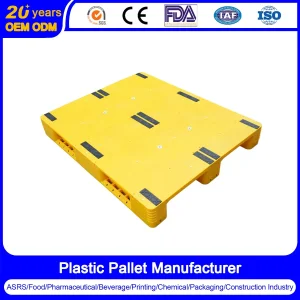
Engineered flat-surface steel and plastic pallets are built for automated material handling. Precise structural dimensions prevent alignment issues, and flat designs protect delicate packaging.
Future material handling systems will rely on active telemetry rather than static structures. The next generation of stacking pallets will incorporate RFID chips, Bluetooth Low Energy (BLE) beacon tracking, and weight sensors directly into their structural framing.
These smart features will provide warehouse operators with real-time data on load distributions, stack stability, and location metrics. Integrating telemetry into your logistics network helps prevent off-balance conditions, monitors dynamic load thresholds, and helps avoid structure-related warehouse accidents.
Developing lightweight, high-yield alloys is a key focus for future designs. Modern steel recycling efforts focus on maintaining structural strength while reducing total tare weight. The goal is to maximize raw load capacities and lower emissions during maritime transport and regional shipping.
A guide to evaluating material specifications, weight-to-load ratios, and long-term operating costs.
Always verify both static capacity (stationary storage) and dynamic capacity (forklift transport). Look for designs with safety factors of at least 1.5 to 2.0 to protect personnel and inventory.
Choose hot-dip galvanization (HDG) for wet or cold storage environments. For indoor logistics, dry storage, and high-visibility setups, a premium powder-coated finish provides a balance of protection and value.
While metal pallets require a higher initial investment than wood or standard plastics, their 10+ year lifespan, minimal maintenance needs, and recyclability offer a lower total cost of ownership.
Shanghai TKS Logistics Technology Co., Ltd. is a professional logistics equipment manufacturer integrating scientific research, development, fabrication, sales, and service. Our manufacturing facility covers nearly 10,000 square meters in Shanghai, and we operate with a dedicated workforce of 101 to 200 skilled employees.
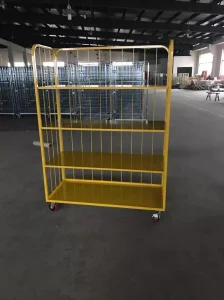
Our core product line includes high-durability logistics trolleys, heavy-duty storage cages, steel packaging boxes, custom racking systems, stackable turnover pallets, and specialized camping and pet equipment. We focus on helping businesses save storage space, improve floor efficiency, lower operating costs, and streamline their logistics setups.
Export Operations:
Shanghai TKS Logistics Technology Co., Ltd.
We export our products globally to key markets in Africa, the Americas, Asia, the Caribbean, Eastern Europe, Western Europe, the Middle East, Northern Europe, and Oceania.
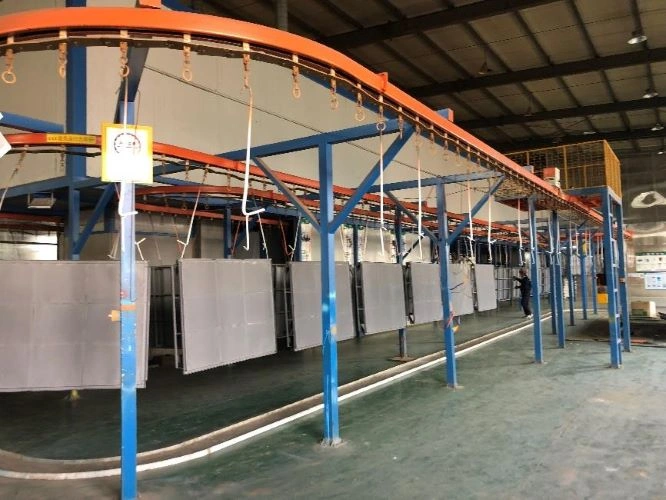
Our quality assurance program is backed by a team of dedicated quality managers and technical specialists. TKS works with stamping, deep drawing, automated resistance welding, precise wire cutting, and robust riveting systems to ensure every product meets international safety standards.
Different industries face unique storage and handling requirements. We develop tailored solutions for automotive assembly, retail supply chains, pharmaceutical handling, and food logistics, matching design features to our clients' processes and equipment.
Meeting international specifications and safety regulations across key global markets.
Specifies test methods for box pallets, stillages, and steel pallets. This standard helps ensure stability, strength, and safe handling under full loads.
Verifies that our manufacturing processes, testing protocols, and design operations follow internationally recognized quality controls.
Confirms that our factory utilizes sustainable materials, limits waste generation, and applies eco-friendly steel treatment techniques.
Practical answers to key questions about stacking pallets, metal cages, and industrial storage configurations.
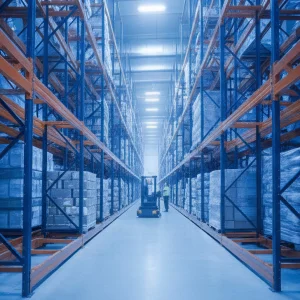
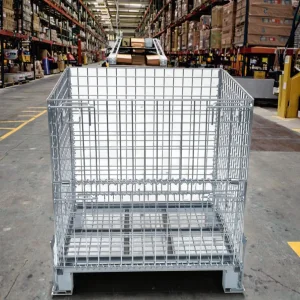
Explore our heavy-duty warehouse racking systems, rolling transport containers, and high-density storage platforms.

 TKS Logistics