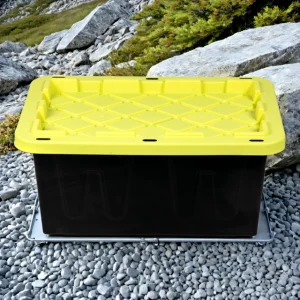
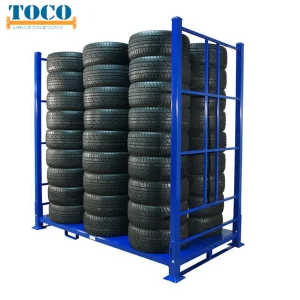
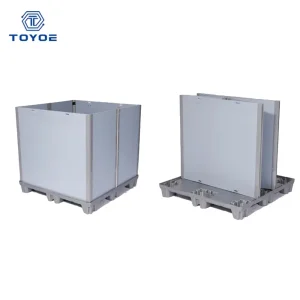
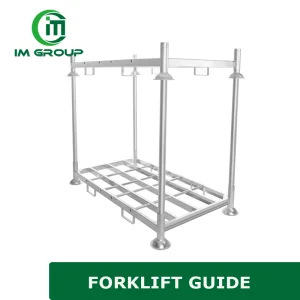
High-performance crates and racks designed for the modern supply chain.
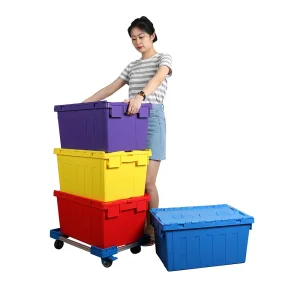
The global industrial landscape is undergoing a massive shift towards Returnable Transport Packaging (RTP). As companies strive for operational efficiency and sustainability, Stack and Nest Crates have emerged as a cornerstone of modern logistics. These crates provide a dual-function benefit: they stack securely when full to protect goods and nest deeply when empty to save up to 75% of return shipping and storage space.
From the bustling automotive assembly lines in Germany to the vast agricultural fields in the United States, the demand for high-quality, durable nesting crates is skyrocketing. Today's "Top 10 Stack and Nest Crates Factories" are no longer just plastic molders; they are engineering hubs that integrate AI-driven design and material science to create crates that can withstand extreme temperatures, heavy loads, and automated warehouse environments.
Modern factories are now embedding RFID tags and IoT sensors into crates. This allows for real-time tracking of inventory, temperature monitoring for perishables, and automated sorting in AI-managed warehouses.
Sustainability is the new gold standard. Top suppliers are shifting toward 100% recyclable HDPE and PP materials, ensuring that the logistics cycle has a minimal carbon footprint.
As AGVs (Automated Guided Vehicles) become standard, crates are being designed with precision-molded base ribs and gripping points for robotic arms to ensure seamless handling.
Expert Insight: The rise of "Dark Warehouses" (fully automated facilities) is driving the need for standardization in crate dimensions. Suppliers who offer customized yet modular stack and nest solutions are gaining the largest market share in the 2024-2030 forecast period.
Global procurement teams from diverse industries have unique requirements when selecting a crate supplier. Whether you are a logistics manager in a European supermarket chain or a production lead in a Japanese electronics plant, the criteria remain stringent: Durability, Safety, and Cost-Effectiveness.
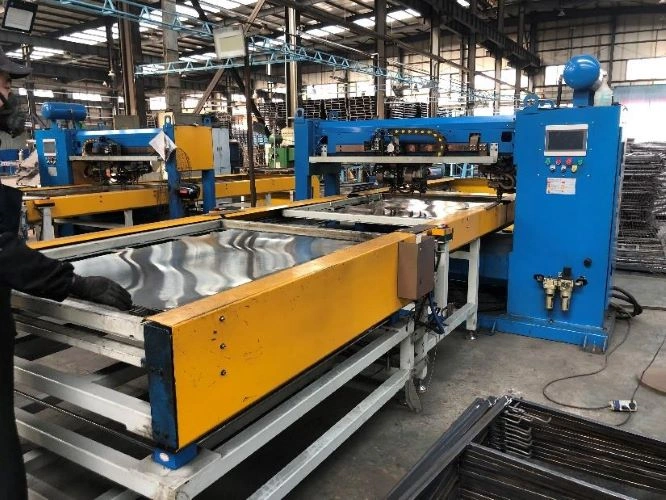
As a leading logistics equipment manufacturer, we integrate scientific R&D with precision manufacturing. Our 10,000 square meter plant in Shanghai is equipped with the latest technology for stamping, resistance welding, and wire cutting.
Why Choose a China-Based Factory?
China offers an unparalleled supply chain ecosystem. We provide:
1. Rapid Prototyping and Customization.
2. Competitive Pricing due to economies of scale.
3. Advanced Material Science and Tech integration.
Company Info Snapshot:
Business Type: Manufacturer & Exporter
Key Products: Logistics Trolleys, Steel Packing Boxes, Iron Pallets, Storage Shelves, Camping Supplies.
Staff: 101-200 Experts in logistics engineering.
Main Markets: Worldwide coverage including Americas, Europe, Asia, and Africa.
When evaluating the "Top 10 Stack and Nest Crates Factories," engineers look at the technical nuances that define a superior product. At Shanghai TKS, we focus on:
Our crates feature reinforced vertical ribs that distribute weight evenly, preventing deformation even under maximum load when stacked 10 layers high.
Soft-grip handles and rounded corners reduce workplace injuries, a critical factor for localized applications in high-paced warehouse environments.
From -20°C in cold storage to 60°C in industrial plants, our HDPE materials maintain structural integrity without becoming brittle or warping.
Our commitment to "Quality First, Customer First" has allowed us to serve giants in the automotive, shipbuilding, and chemical industries. We don't just sell crates; we provide tailor-made logistical systems that save space, improve efficiency, and drastically reduce operational costs.
The global reach of Shanghai TKS Logistics Technology Co., Ltd. is a testament to the evolving nature of the Chinese manufacturing sector. As we analyze the top 10 factories in the stack and nest crate industry, it is clear that leadership is defined by the ability to adapt to regional market nuances. In North America, the focus is often on heavy-duty industrial bins for mechanical parts, while in Europe, the emphasis leans heavily toward food-grade certifications and ergonomic designs for manual labor laws.
Our production plant, covering nearly 10,000 square meters, is not just a factory; it is a center for logistics innovation. By absorbing advanced corporate planning and management concepts, we have optimized our workflow to serve diverse fields: automobiles, supermarkets, home appliances, and even the specialized pet products market. This versatility is what sets us apart from traditional single-line manufacturers.
Global enterprises today are looking for more than just a supplier; they are looking for a strategic partner. A partner who understands that a 5mm difference in a crate's nesting depth can translate into thousands of dollars saved in sea freight across a yearly shipping cycle. Our professional management and technical team, including specialized quality management personnel, ensure that every pallet, crate, and trolley that leaves our Shanghai facility meets the rigorous "Quality First" principle.
Furthermore, the integration of AI and digital manufacturing has allowed us to reduce lead times significantly. In an era where supply chain disruptions are common, having a reliable factory in China that can quickly pivot production to meet sudden demand spikes is a massive competitive advantage. From the resistance welding of steel stillages to the precision molding of HDPE crates, we maintain a level of excellence that has won unanimous praise from our clients in Europe, America, and Japan.
In conclusion, when searching for the Top 10 Stack and Nest Crates Factories & Suppliers, it is vital to look for companies like Shanghai TKS that bridge the gap between traditional heavy industry and modern tech-driven logistics. Our mission remains clear: save space, improve efficiency, reduce costs, and provide tailor-made services that empower your business to thrive in the global marketplace.
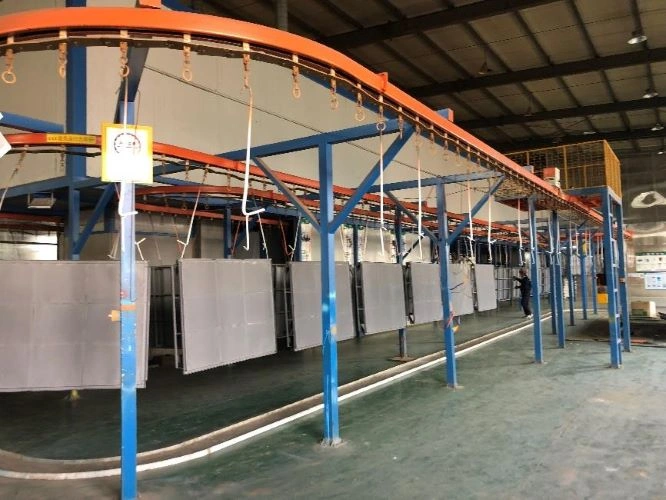
 TKS Logistics