Engineered for high-density storage, automated material handling, and rigorous intermodal logistics
Analyzing structural dynamics, returnable transport packaging (RTP), and intralogistics optimization
The contemporary global supply chain is undergoing a structural transformation. Material handling is no longer viewed merely as passive storage, but as an active, high-velocity node within Intralogistics 4.0. At the core of this operational evolution is the deployment of high-performance transport shelves, heavy-duty metal stillages, collapsible wire mesh containers, and roll cages. As industrial enterprises shift away from single-use wooden pallets and fragile corrugated packaging toward sustainable Returnable Transport Packaging (RTP) systems, the demand for specialized, custom-engineered transport racking infrastructure has reached unprecedented levels.
Modern transport shelving systems serve as the connective tissue between automated manufacturing plants, regional distribution hubs, and tier-one automotive supply networks. These systems are subjected to severe mechanical stresses—including multi-axis dynamic loads during intermodal transit, high-density vertical stacking in narrow-aisle facilities, and continuous shock absorption on automated guided vehicle (AGV) tracks. Consequently, structural integrity, metallurgical purity, and dimensional tolerances are paramount engineering requirements for tier-one procurement executives worldwide.
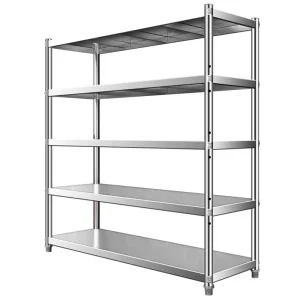
Engineered with reinforced cup feet and interlocking post pins, modern transport shelves enable 4-to-6 tier vertical stacking under maximum rated loads, dramatically increasing cubic warehouse utilization.
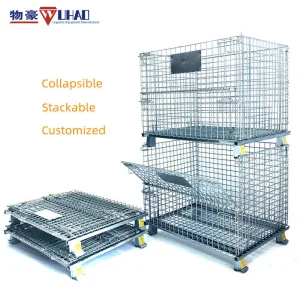
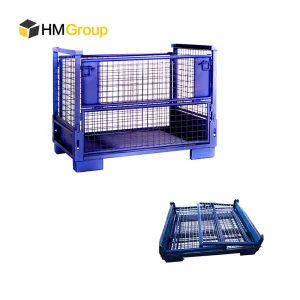
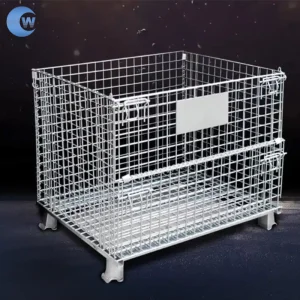
Featuring precision drop-gate mechanisms and folding side walls, these containers achieve up to 4:1 collapse ratios, slashing empty return freight costs across ocean and land transport networks.
Manufactured to millimeter-level tolerances, China-fabricated transport units seamlessly interface with automated storage and retrieval systems (AS/RS), forklift guides, and robotic lifters.
How structural steel density, automated robotics, and supply chain clusters drive unmatched procurement ROI
Global procurement directors increasingly turn to Chinese manufacturers for critical transport shelving systems. This preference is grounded in clear economic and technical advantages: China’s unique industrial clusters provide an unmatched convergence of raw material access, automated welding robotics, continuous surface-treatment technology, and rapid prototyping capabilities.
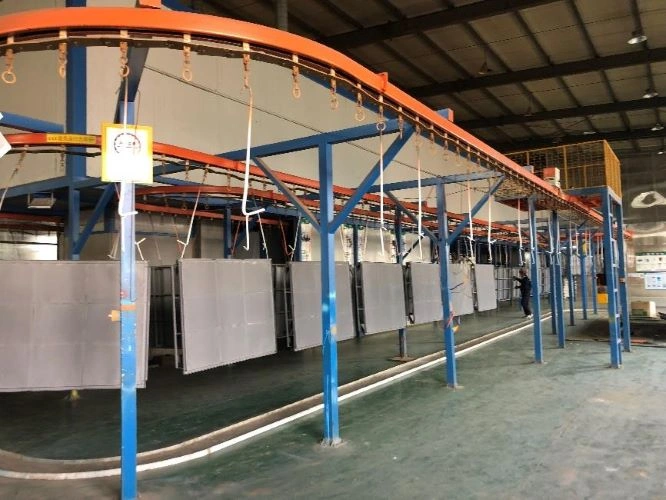
Leading Chinese factories utilize high-yield structural steel grades such as Q235B and Q355B (equivalent to S235JR and S355JR under European standards), sourced directly from integrated domestic steel mills. This ensures consistent tensile strength, minimal material fatigue, and structural predictability under static and dynamic loading. Furthermore, China's advanced manufacturing infrastructure incorporates multi-axis robotic welding cells, continuous cold-roll forming lines, and automated powder coating systems, guaranteeing that every transport rack conforms to strict geometric tolerances.
| Performance & Cost Vector | Chinese Tier-1 Manufacturers (e.g., TKS Logistics) | Regional/Western Fabricators | Strategic Advantage / Impact |
|---|---|---|---|
| Material Sourcing Density | Direct integration with major domestic steel suppliers (Q235B / Q355B grades) | Relies on imported standard stock; susceptible to supply bottlenecks | 15-30% Raw Material Cost Reduction |
| Manufacturing Automation | Automated robotic MIG welding, laser tube cutting, continuous roll-forming | Semi-automated or manual labor setups | Millimeter Precision & Weld Consistency |
| Surface Finishing Options | In-house Hot-Dip Galvanizing (HDG), Electro-galvanizing, TGIC-Free Epoxy Powder | Outsourced coating processes; higher overhead fees | 500+ Hour Salt-Spray Anti-Corrosion Rating |
| Prototyping & Customization | 7-10 days rapid sample turnaround with full Finite Element Analysis (FEA) | 4-8 weeks engineering design and prototyping turnarounds | Faster Time-to-Market for Custom Fleet Builds |
| Total Cost of Ownership (TCO) | Optimized load-to-weight ratio; dynamic nesting features | Standard rigid frames with higher unladen shipping weights | Lower Freight Costs & High Lifetime ROI |
In-depth architectural analysis of transport containers, stillages, and industrial storage media
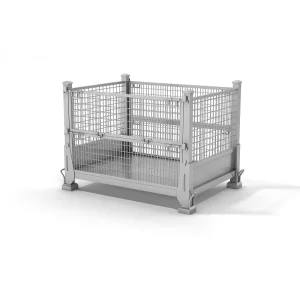
Designed for extreme environment application, steel stillages utilize cold-drawn steel wire and tubular profiles. Features include double-drop gate access for easy picking while stacked, four-way forklift entry pockets, and stackability up to 4-high under 1500kg unit loads. Electro-zinc or HDG finishes protect against mechanical damage.
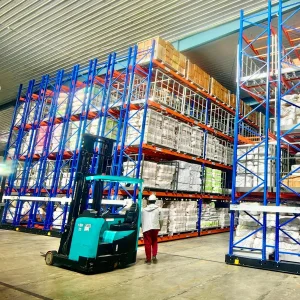
Engineered for high-value fulfillment centers, mobile racking systems maximize cube volume by eliminating fixed aisles. Driven by electric gear motors on embedded floor rails, these systems integrate safety light curtains and PLC interfaces for seamless integration with enterprise WMS software.
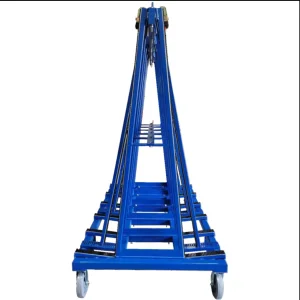
Tailored for the architectural glass, solar module, and automotive windshield sectors, these transport shelves feature base incline angles (typically 8° to 12°), non-marking vulcanized rubber strips, and quick-release ratchet tie-down mechanisms to neutralize transit vibration and shock.
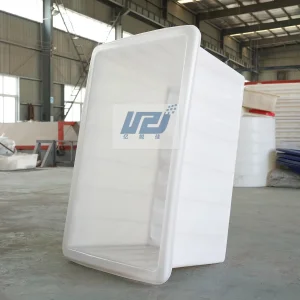
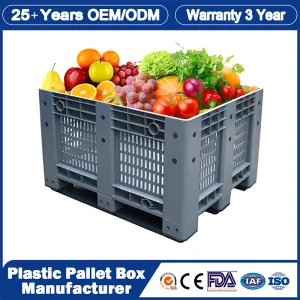
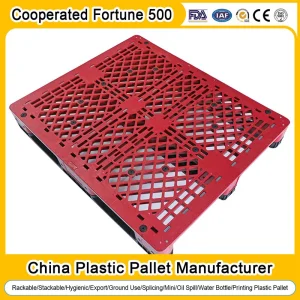
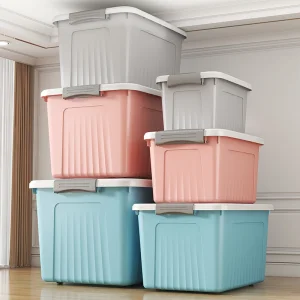
Manufactured via high-pressure structural foam injection molding using high-density polyethylene (HDPE), these large plastic containers provide smooth, hygienic surfaces, high chemical resistance, and wide temperature tolerance (-20°C to +60°C), making them ideal for food processing and industrial bulk storage.
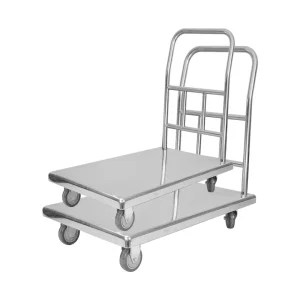
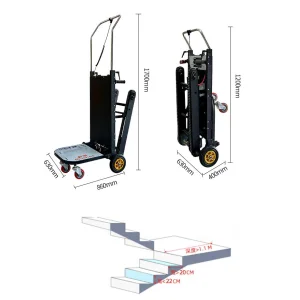
Ranging from heavy-duty steel catering dollies to battery-powered crawler stair climbers, these mobile units enhance last-mile delivery, order fulfillment, and multi-tier building logistics by drastically reducing manual labor strain and load transit times.
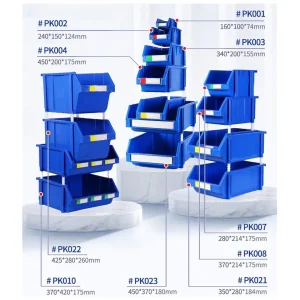
Precision-molded polypropylene (PP) stack-and-nest bins engineered for lean manufacturing lines, line-side kitting, and high-density vertical louvers. Resistant to oils, greases, and common industrial solvents.
Field-proven performance across demanding industrial environments worldwide
In modern automotive manufacturing, Just-In-Time (JIT) and Just-In-Sequence (JIS) logistics depend on custom-tailored metal stillages. Specialized engine racks, transmission transport frames, and stamped body-panel containers are designed to hold components securely without surface abrasion. Chinese manufacturers excel at engineering custom Dunnage (such as polyurethane combs, EVA foam inserts, and textile sleeves) integrated directly inside wire mesh cages and rigid steel boxes.
Sub-zero environments degrade inferior materials, causing cold-shortness in plastics and rapid oxidation of standard steel coatings. Hot-dip galvanized wire mesh roll containers and specialized stainless steel transport dollies provide long-term corrosion resistance in humidity-controlled and cryogenic conditions down to -30°C.
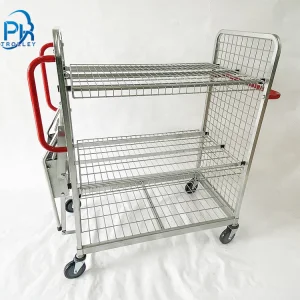
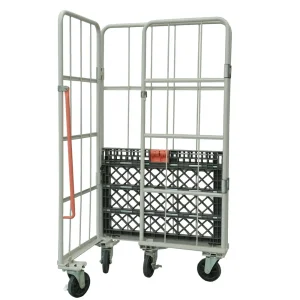
High-volume parcel sorting and e-commerce distribution centers require high-mobility, collapsible roll cages and order-picking trolleys. Fitted with low-rolling-resistance polyurethane castors, directional locks, and noise-damping nylon components, these units speed up floor turnover while keeping noise levels low.
Integrated R&D, advanced manufacturing, and global export capabilities
Shanghai TKS Logistics Technology Co., Ltd. is a professional logistics equipment manufacturer integrating scientific research and development, manufacturing, sales, and services. The company's primary product line encompasses high-durability logistics trolleys, heavy-duty storage cages, iron packaging boxes, industrial storage racks, turnover pallets, as well as specialised household appliances and pet handling solutions.
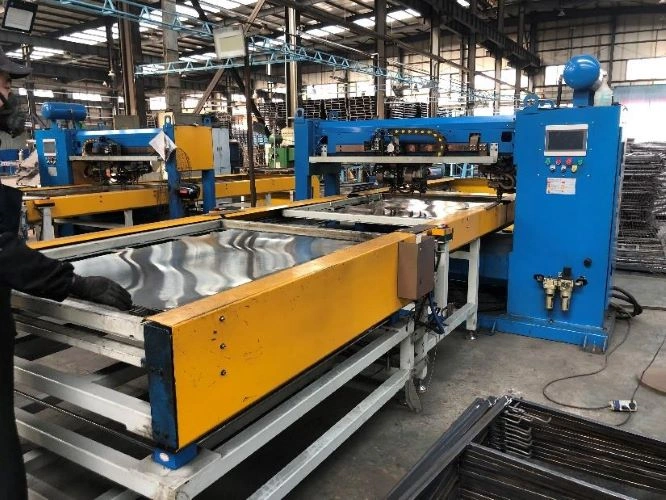
Operating from a state-of-the-art production plant covering nearly 10,000 square meters in Shanghai, the facility houses advanced machinery for stamping, deep drawing, resistance welding, wire cutting, precision riveting, and machining. Market-oriented and committed to international standards, TKS Logistics focuses on optimizing operational workflows: saving space, improving handling efficiency, reducing total cost of ownership, and elevating client service standards across automotive, supermarket, cold chain, shipbuilding, light industry, and chemical sectors.
Key parameters for international procurement managers evaluating transport shelving suppliers
When procuring industrial transport shelves and stillages, global buyers must establish clear technical parameters to ensure safe, long-term operation under heavy use. Below is a key engineering evaluation framework:
Key technological advances shaping the transport shelving industry over the next decade
Integrating active BLE (Bluetooth Low Energy) tags, RFID chips, and GPS tracking modules into metal stillages provides real-time location visibility, shock detection, and automated inventory reconciliation across global supply networks.
Transport shelves are increasingly engineered with standardized base plates and precise optical target markers, allowing seamless pickup, drop-off, and transport by Autonomous Mobile Robots (AMRs) without human intervention.
Industrial fleets are transitioning from single-use timber and plastic packaging to 100% recyclable steel stillages. Modern Chinese factories are adopting solar-powered plants and VOC-free powder coatings to lower embodied carbon footprint.
Answers to common technical, commercial, and logistics questions from global buyers
A: Tier-1 Chinese manufacturers primarily use high-grade structural steel Q235B and Q355B (equivalent to ASTM A36 and S355JR). These grades provide excellent yield strength, high weldability, and exceptional resistance to deformation under dynamic transport conditions.
A: Collapsible wire mesh cages feature engineered side-wall hinges that fold down flat when empty. This reduces the container volume by up to 75% (a 4:1 collapse ratio), allowing four times as many empty units to be returned in a single freight container or truckload.
A: Hot-Dip Galvanizing metallurgically bonds zinc to steel by dipping the frame into molten zinc at ~450°C, creating internal and external corrosion protection ideal for outdoor storage or maritime freight. Powder coating offers strong surface impact resistance and custom color coding, making it ideal for indoor warehouse management.
A: Yes. Advanced manufacturers like Shanghai TKS Logistics offer complete OEM/ODM services. Engineering teams review your 3D CAD/STEP files, perform Finite Element Analysis (FEA), and manufacture sample units for physical load testing prior to full production.
A: Ensure your manufacturing partner holds ISO 9001:2015 Quality Management certification, ISO 14001 Environmental Management, and relevant structural welding certifications (such as ISO 3834 or AWS standards). Load capacity ratings should be validated against ANSI/RMI MH16.1 specifications.
A: Units are bundled using high-tensile steel strapping, protected with edge guards, and wrapped in stretch film or vapor-corrosion-inhibitor (VCI) bags. Wooden or plastic spacer blocks prevent metal-to-metal friction, ensuring scratch-free delivery.
Explore our complete catalog of industrial stillages, plastic bins, roll containers, and specialized transport units
 TKS Logistics