Premium material handling solutions designed for demanding transit loads across challenging sub-Saharan logistics routes.
As the Democratic Republic of the Congo (DRC) accelerates its mining infrastructure developments in the Katanga Copperbelt and scales urban logistics terminals across the Kinshasa-Matadi corridor, supply chain stakeholders face unprecedented material handling challenges. High humidity, unpaved transit hubs, and demands for intense load duty cycles necessitate a transition from temporary cargo storage to standardized, high-durability steel roll cages and logistics trolleys. This whitepaper analyzes local challenges, engineering metrics, and cost-reduction pathways using Factory 4.0 production standards.
The Democratic Republic of the Congo represents one of Africa's most dynamic and challenging physical distribution environments. Characterized by major logistical gateways like the Port of Matadi, the Lualaba mining hubs (Kolwezi and Lubumbashi), and regional agricultural junctions in Goma, material flow optimization is critical. Due to fragmented highway infrastructure, goods undergo multiple transshipment cycles (e.g., ship-to-rail, rail-to-truck, truck-to-warehouse). At each transition point, non-standardized cargo handling causes cargo degradation and excessive wait times.
Furthermore, the rapid expansion of supermarket chains, pharmaceutical depots, and e-commerce distribution platforms in Kinshasa has triggered an urgent need for space-saving, high-strength wheeled logistics systems. Without roll cages and nestable steel containers, warehouse operators face higher labor costs, product damage rates, and safety risks. Deploying structural Q235 steel rolling cages is not merely an operational upgrade; it is a fundamental requirement for risk mitigation in Central African logistics.
Logistics equipment deployed in the DRC must withstand environmental conditions that would rapidly degrade standard European or domestic Chinese consumer-grade utility carts. Crucial localized operational challenges include:
| Equipment Category | Primary DR Congo Application Scenario | Crucial Structural Specification Needed | TCO Advantage vs. Traditional Wood Pallets |
|---|---|---|---|
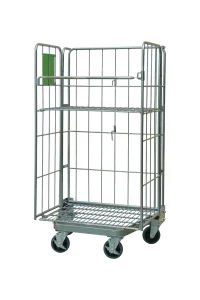
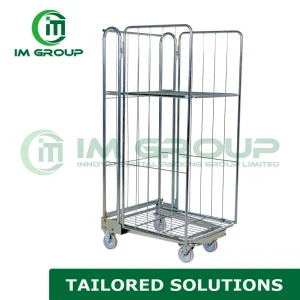
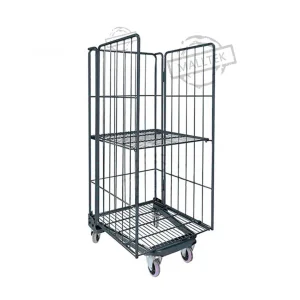
| Heavy Duty Roll Cages | FMCG, Supermarket & Retail supply lines in Kinshasa | 500kg Capacity, Nestable Frame, Zinc Electroplate | Reduces labor loading times by up to 65%; eliminates single-use stretch wrap. |
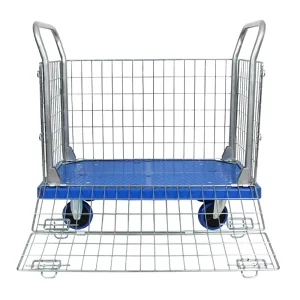
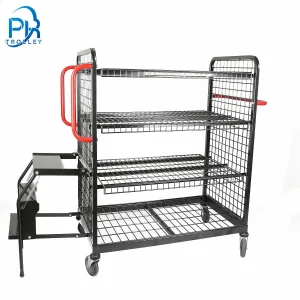
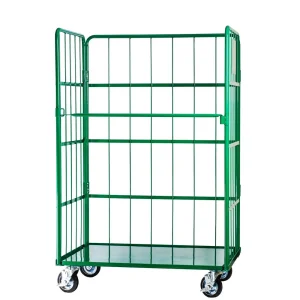
| Wire Mesh Cage Trolleys | Copper-Cobalt refinery depots and tool cribs in Kolwezi | High-tensile wire grid, lockable secure lid, heavy-duty castors | Prevents shrinkage of high-value tools/minerals; long-term durability (>8 years). |
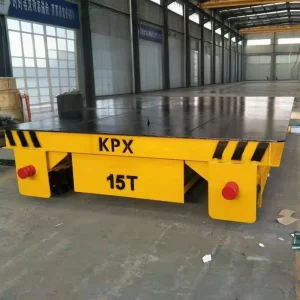
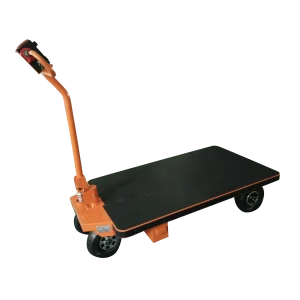
| Industrial Rail Trolleys | Smelters, mining processing mills, heavy machine shops | Electric battery (KPX), heavy structural steel channels | Automates hazardous material haulage; reduces reliance on diesel forklifts. |
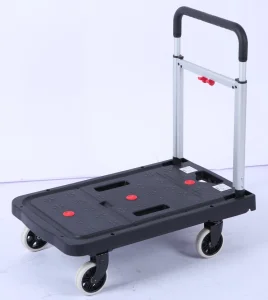
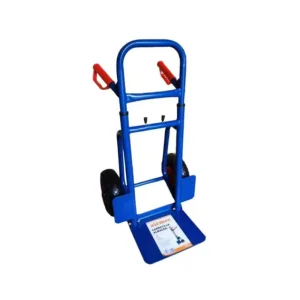
| Foldable Sack Trucks | Last-mile parcel delivery & air cargo handling in Goma | Telescoping handle, lightweight steel alloy frame | Maximizes vehicle payload space; easily stowed in delivery vans. |
As a leading logistics equipment manufacturer integrating scientific R&D with modern industrial production, Shanghai TKS Logistics Technology Co., Ltd. addresses the DRC’s supply chain needs. Our production plant spans nearly 10,000 square meters in Shanghai and houses advanced stamping, drawing, resistance welding, wire cutting, riveting, and metal machining equipment. Our engineering processes are optimized for custom durability:
Global supply chain procurement is shifting away from low-cost, short-life equipment toward long-term total cost of ownership (TCO) efficiency. Large international mining conglomerates, international relief organizations (active in Eastern DRC), and cross-border logistics firms demand certified raw materials and audited quality management systems.
By sourcing directly from a vertically integrated manufacturer like Shanghai TKS, global buyers eliminate trading margins and secure a direct line of quality accountability. Our logistics systems are engineered to pack compactly into standard ocean containers, reducing ocean freight costs per unit and optimizing shipping costs to gateways like Matadi, Dar es Salaam, or Durban.
"To survive the transit corridors of Sub-Saharan Africa, logistics equipment must be engineered with a minimum design safety factor of 1.5. Our roll cages undergo rigorous load and stress-distribution simulation before fabrication begins." — *Shanghai TKS Engineering & Quality Management Division.*
In Katanga’s cobalt and copper mining hubs, component storage requires heavy-duty security. The use of lockable steel wire folding containers prevents tool loss while enabling forklift handling. Heavy-duty KPX rail trolleys move high-weight anodes and industrial raw materials between workshops with minimal manual effort, keeping operations moving despite dusty conditions.
Supermarkets and wholesale depots in Kinshasa use 4-sided fold-up roll cages. Goods are sorted at central distribution hubs, wheeled directly into delivery box trucks, and rolled straight onto retail floors. This reduces loading times and decreases damage to packaging, while the nestable design allows empty cages to be stored compactly for return shipping.
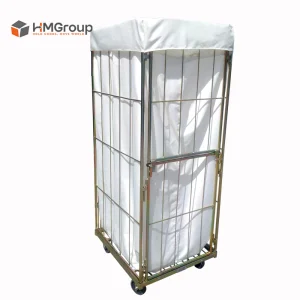
Cold chain logistics and medical supply distribution in the Kivus require reliable, hygienic steel wire tool carts and folding laundry/linen trolleys. Electrostatic powder coating prevents rust and withstands chemical wash-downs, ensuring hygienic conditions for essential medical supplies and perishables.
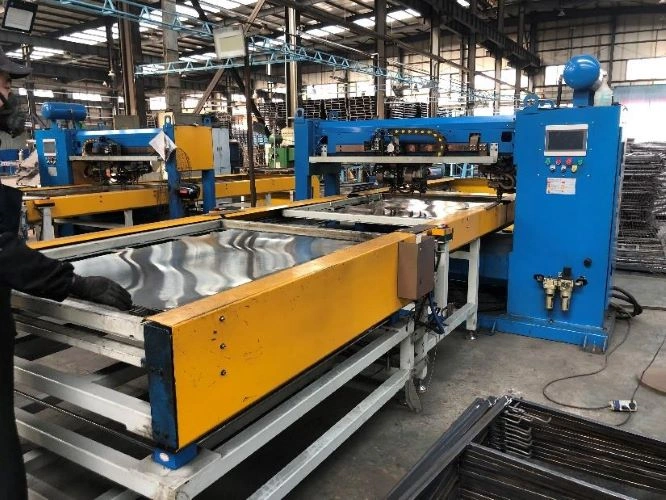
Explore our main product line, optimized for wear resistance and easy handling under tough industrial conditions.
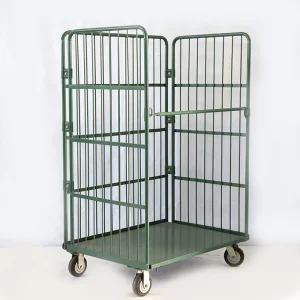
Technical guidance and commercial parameters for procurement managers active in sub-Saharan African operations.
Contact our Shanghai engineering team to get detailed AutoCAD drawings, material specification reports, and direct factory container pricing.
Send Inquiry Now TKS Logistics